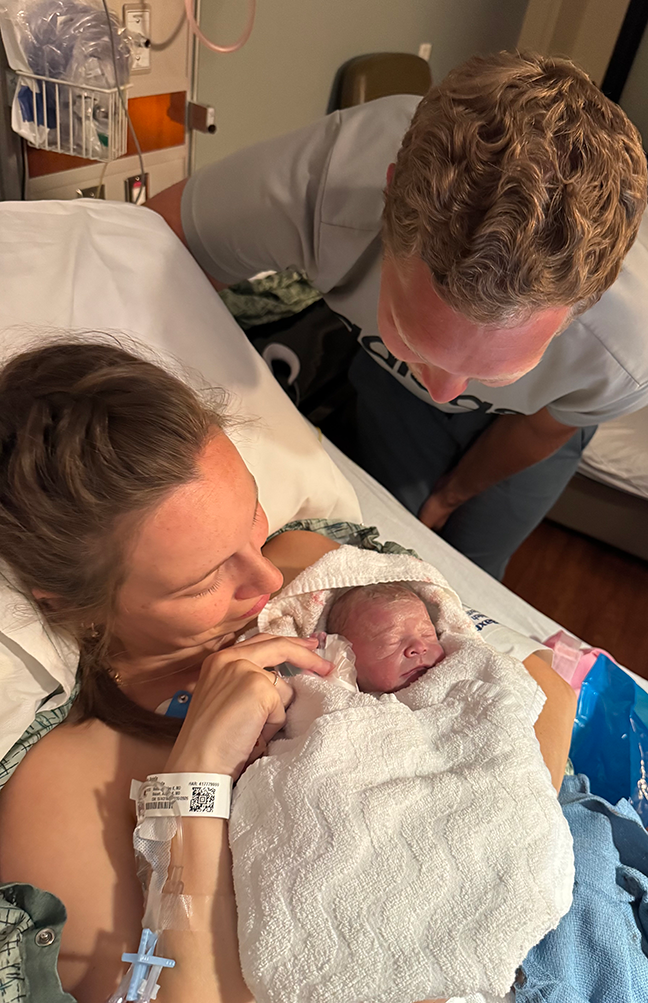

Photo (L to R): Alicyn (Craig’s daughter), David (Craig’s husband), Craig, Evelyn (Craig’s stepdaughter), Sue (Alicyn’s mom), and their dog Annie
By Pooja Nerkar, Vitals contributor
Cystic fibrosis was part of Craig Whitley’s life. It was never the whole story.
For 30 years, Craig taught middle school math, coached a tumbling team and stayed active through skiing and rock climbing. He loved cooking and gardening, and his openness about cystic fibrosis inspired students and others around him.
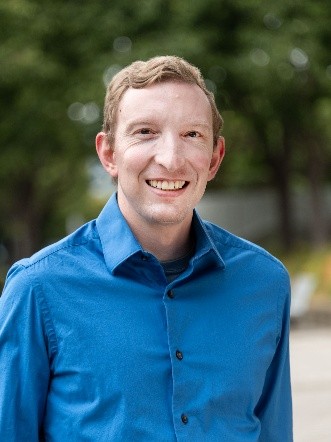
Dr. Jason Doornenbal, inpatient palliative medicine hospitalist, Sutter East Bay Medical Group
But as his health declined, hospitalizations became more frequent and everyday activities grew harder. After multiple hospitalizations, Dr. Jason Doornenbal, inpatient palliative medicine hospitalist at Sutter East Bay Medical Group, initiated a referral to the Sutter Health outpatient palliative program, Palliative Care and Support Services.
“Craig was experiencing significant symptoms from his chronic illness that could be managed to improve his quality of life,” says Dr. Doornenbal.
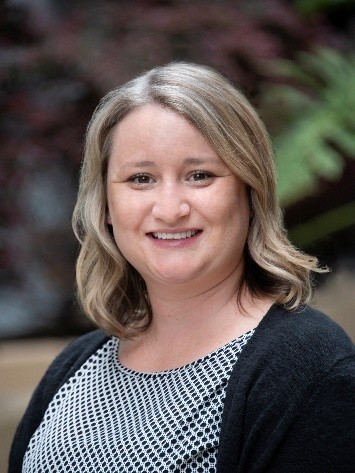
Sophia Stewart, nurse practitioner, Sutter East Bay Medical Group
Craig began working with Sophia Stewart, a nurse practitioner in palliative medicine at Sutter East Bay Medical Group, along with an interdisciplinary group that included a nurse, social worker and chaplain.
Because home visits were not available where Craig lived, much of his care was provided virtually. He met with his palliative care providers every two to three weeks, with additional weekly support from his social worker.
The palliative care team helped manage his anxiety and breathlessness while supporting his goals of staying independent, spending time with loved ones and continuing to garden and cook.
“He wanted to be able to cook and garden,” says his husband, David. “The care he received gave him several more months to enjoy the things he loved.”
For Stewart, that is the heart of palliative care.
“Palliative care is about helping people live as well as possible for as long as possible, while making sure their care reflects what matters most to them,” she says.
Craig described palliative care as helping him feel less alone in facing the unknown. “At the end of your life someone might feel like they’re standing on the highest rock or the high dive, and palliative care allows them to feel on the lower rock as you jump into the void,” he said.
His care team worked with Craig to plan for the future. He did not want to be hospitalized again or placed on a ventilator, so Stewart helped document his wishes. Social worker Julie Siegel, at Sutter East Bay Medical Group, provided support as he navigated anticipatory grief and legacy planning.
Making room for what mattered
Even as cystic fibrosis limited Craig physically, he continued to find joy in gardening, cooking and spending time with David, his daughter, loved ones and former students who remained part of his life over the years.
As his health declined, Craig transitioned to hospice with support from his palliative care team. He passed away June 17 at age 67, surrounded by his loved ones.
Palliative care could not change the course of Craig’s illness, but it gave him greater comfort and control while creating more time and space for the people and experiences that mattered most.