According to the American Cancer Society, colorectal cancer is the second leading cause of cancer-related death in the U.S. for men and women. Catching colon cancer early through screening reduces the number of deaths from the disease, yet many people are not up to date with preventive screening and screening rates remain low –particularly among underserved populations including Blacks, Native Americans, Latinos and the uninsured.
To help reach these high-risk groups, Alta Bates Summit Medical Center’s Comprehensive Cancer Center recently partnered with the Native American Health Center in Oakland to offer a colon cancer education and screening event.
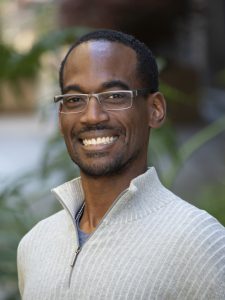
“This was a wonderful event that allowed us to focus on an important preventative health measure within our high-risk community. The pandemic delayed routine preventive screenings, and it is crucial to help maintain their health and provide them with the equitable, high-quality care they deserve,” said Dr. Gerard P. Jenkins, chief medical officer of the Native American Health Center and an Alta Bates Summit hospitalist.
About 40 people attended the event, where they learned about risk factors, as well as prevention and the benefits of screening. They also each received a take-home colon cancer screening test, known as a fecal immunochemical test (FIT), which checks for hidden blood in stool samples, to take in the privacy of their home.
Outreach Helps Address Pandemic-Worsened Healthcare Inequities
The COVID-19 pandemic has underscored deep-rooted inequities in healthcare and cancer is no different. Disparities exist at every stage of the cancer continuum, spanning prevention, diagnosis, treatment and outcomes. The results can be devastating, resulting in more cancer cases, more late-stage diagnoses and more deaths –especially among underserved populations.
“Partnering with a community health care organization like Native American Health Center to provide cancer education and screenings is an effective way for us to help reduce cancer risk in our community and reduce cancer disparities,” says Laura Van Pelt, director of Alta Bates Summit’s Comprehensive Cancer Center. “We’re very pleased to bring our cancer services directly to where people live.”
“This outreach event is a great example of our commitment to work with partners to help educate, screen and treat people affected by cancer,” said Luanne Ridgley, LCSW, manager of Cancer Education and Prevention at Alta Bates Summit’s Comprehensive Cancer Center. “We’re proud to take an active role in identifying the most effective interventions to reduce cancer risk, increase survival and improve the quality of life in our local communities.”