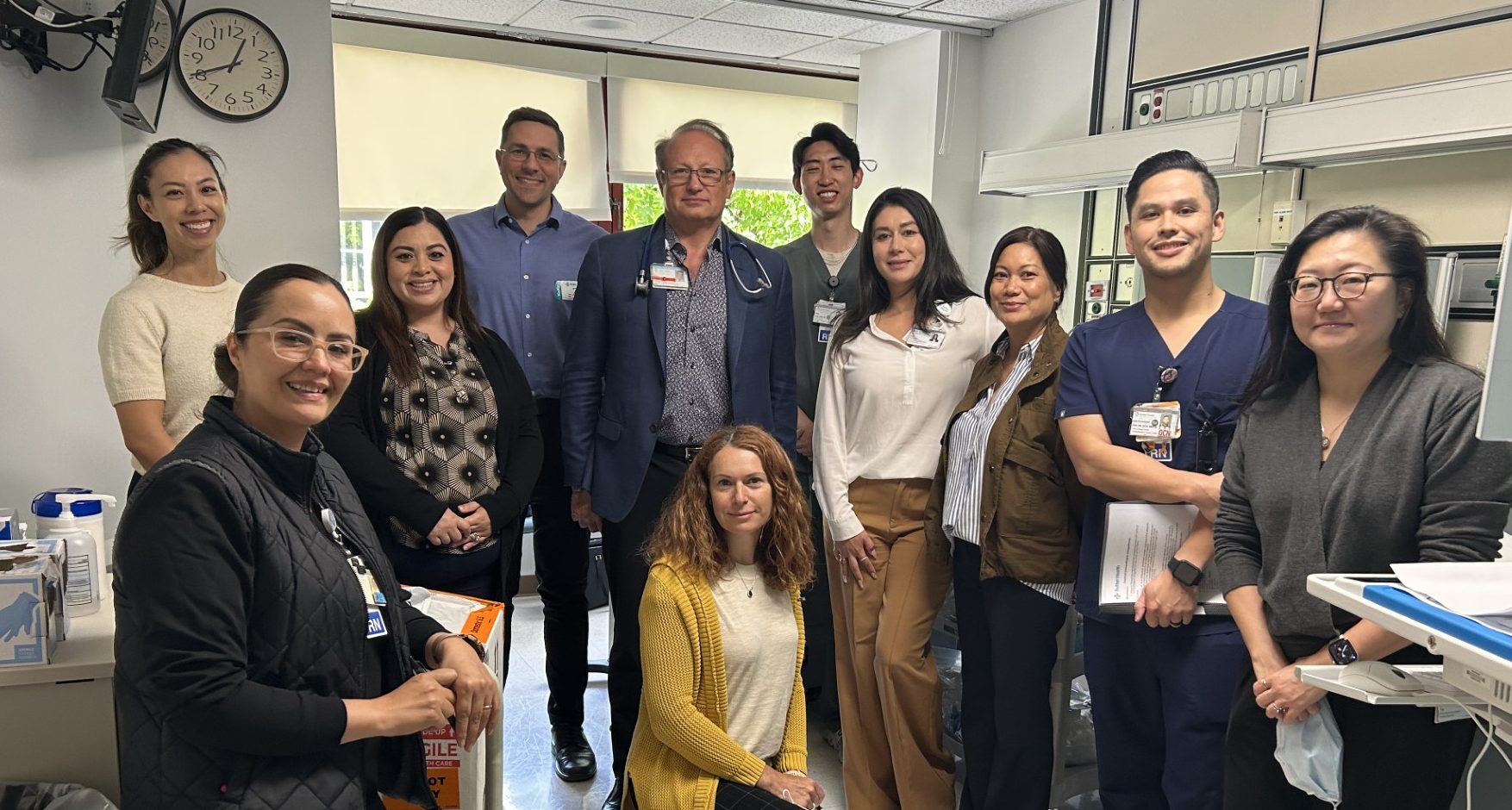
Pictured above: Sutter East Bay Medical Group Cellular Therapy Program team members.
Advanced cancer treatment brings innovative care and clinical research opportunities closer to home
By Pooja Nerkar, Vitals contributor
Sutter East Bay Medical Group physicians have enrolled the first patient in the Sutter Health system in a cellular therapy clinical trial, expanding access to an investigational treatment for East Bay patients with lymphoma who are at high risk of relapse.
The patient was enrolled at Sutter’s Alta Bates Summit Medical Center Herrick Campus in the ALPHA3 trial, sponsored by Allogene Therapeutics, NCT06500273. The trial is evaluating an investigational off-the-shelf CAR T cell therapy called cema-cel for patients with large B cell lymphoma who appear to be in remission but have evidence of minimal residual disease, or small traces of cancer in the blood detected through a simple blood test after chemotherapy.
“This milestone reflects the growth of our Cellular Therapy Program and our commitment to bringing innovative cancer treatments closer to home,” said Dr. Oleg Krijanovski, hematologist with Sutter East Bay Medical Group, founder of Sutter Health’s Cellular Therapy Program and principal investigator of the ALPHA3 study. “Patients with minimal residual disease often have few options beyond close monitoring despite a high risk of relapse. This trial allows us to study whether earlier intervention with an off-the-shelf CAR T can improve outcomes while bringing leading-edge research to patients in the East Bay.”
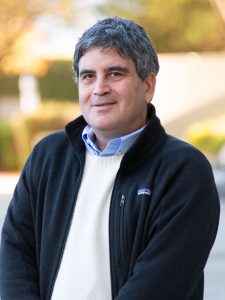
Dr. Kevin Knopf, Sutter East Bay Medical Group
Although these patients may have no visible signs of disease, about 1 in 3 patients whose lymphoma goes into remission after initial treatment will have it return, usually within the first year.[1] The patient was the first in the East Bay to enroll in the ALPHA3 clinical trial, which is designed to evaluate whether early treatment with CAR T therapy, before cancer can be detected on standard scans, may help prevent the disease from returning.
Cellular therapy uses specially engineered immune cells to recognize and attack cancer. In the clinical trial, researchers are studying whether this investigational treatment can eliminate remaining cancer cells and reduce the risk of the disease returning.
Unlike many cellular therapy programs that require hospitalization or referral to distant academic medical centers, Sutter delivers treatment in an outpatient setting, allowing East Bay patients to receive advanced care close to home. As the only center in the East Bay offering this type of cellular therapy, the program gives eligible patients access to an investigational treatment without the need to travel outside the region.
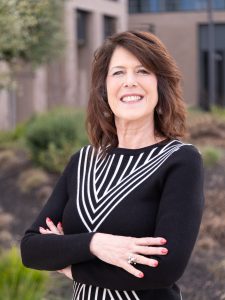
Dr. Laura Crocitto, Sutter East Bay Medical Group
“This trial bridges the gap between today’s standard of care and the next generation of cancer treatment,” said Dr. Kevin Knopf, medical oncologist with Sutter East Bay Medical Group and co-principal investigator of the ALPHA3 study. “For patients at high risk of relapse, it provides access to an investigational cellular therapy while allowing them to remain under the care of the oncology team they already know and trust.”
“Delivering cellular therapy takes an extraordinary level of coordination across our clinical, research and operational teams,” said Dr. Laura Crocitto, executive medical director of oncology services at Sutter East Bay Medical Group. “This milestone reflects Sutter Health’s continued investment in expanding access to advanced cancer care and creating more opportunities for patients to participate in innovative clinical research close to home.”
Although cellular therapy has transformed treatment for some advanced blood cancers, including certain lymphomas and multiple myeloma, access remains limited. Many patients who may benefit from these potentially life-saving treatments are unable to receive them due to limited availability, infrastructure and geographic barriers.
By expanding its outpatient cellular therapy program and offering clinical trials, Sutter Health is helping more East Bay patients access emerging therapies closer to home.
[1] Tilly H, Morschhauser F, Sehn LH, et al. Polatuzumab vedotin in previously untreated diffuse large B-cell lymphoma. N Engl J Med. 2022;386(4):351-363. doi:10.1056/NEJMoa2115304. LINK