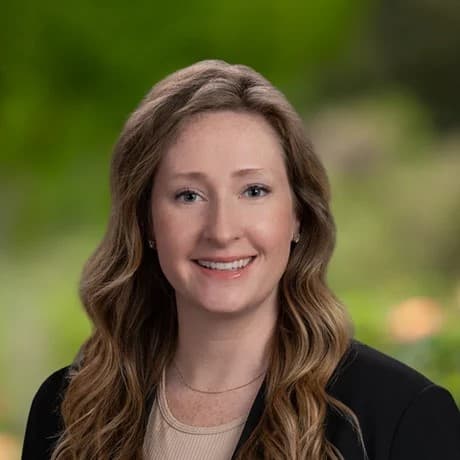
For years, Stephanie Claudatos believed severe pelvic pain was simply something she had to live with. She started birth control at 14 to manage painful periods, endured worsening symptoms and repeatedly heard that her discomfort was a normal part of being a woman.
After stopping birth control about two years ago, her symptoms became debilitating. Episodes of intense pelvic pain, sometimes accompanied by nausea, vomiting and gastrointestinal symptoms, lasted up to an hour. Intercourse became difficult, and a copper intrauterine device worsened her symptoms, eventually sending her to the emergency department. Yet routine tests offered no explanation.
“When you live with chronic pain, it’s easy to get used to being in so much pain that it becomes normal for you, especially when you’re being told it is,” she says.
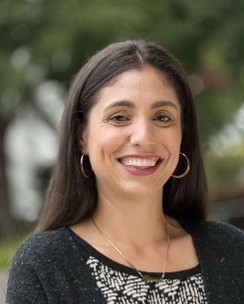
Beverly Maldonado, a certified nurse midwife with Sutter East Bay Medical Group, recognized that Claudatos needed further evaluation. She referred her to Dr. Rebecca Falik, a minimally invasive gynecologic surgeon and endometriosis specialist with the medical group.
“Stephanie’s pain had become debilitating and was getting progressively worse over time,” Maldonado says. “She had already tried birth control and other treatment options without enough relief, so I knew we needed to do something different.”
Initially nervous about surgery, Claudatos says Dr. Falik’s empathy and expertise helped put her at ease. She also credits her primary care physician and obstetrician-gynecologist with helping connect her to the care she needed.
Advanced surgery reveals the cause
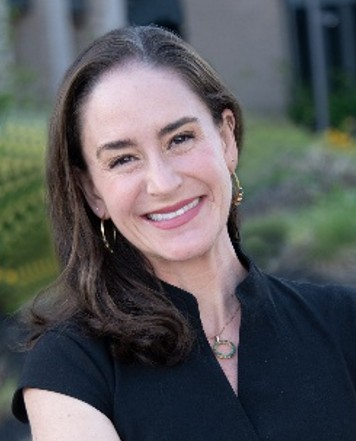
During minimally invasive surgery in June, Dr. Falik discovered extensive stage IV endometriosis, a condition in which tissue similar to the uterine lining grows outside the uterus, potentially causing inflammation, scar tissue and pain.
The disease affected areas around Claudatos’ bladder, reproductive organs and ureters, the tubes connecting the kidneys to the bladder.
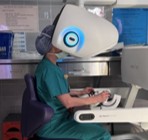
Using the da Vinci surgical system, Dr. Falik removed all visible endometriosis lesions through small incisions. The technology’s magnified, three-dimensional visualization helped her navigate the delicate structures surrounding the affected areas.
“Unfortunately, it’s common for someone to be living with symptoms and not realize they need help,” Dr. Falik says. “Thankfully, the midwife she saw recognized that Stephanie had exhausted her medical options and ought to be evaluated for surgery. We can take this seriously, and we can help.”
For Claudatos, the diagnosis brought relief after years of uncertainty.
“I knew my whole life that something was wrong,” she says. “I had been told to take Tylenol or that stress was making it worse. Finally having a diagnosis gave me an explanation for what I had been going through.”
Redefining what normal feels like
Claudatos went home the same day with a pain-management plan that combined multiple approaches and returned to her usual activities within two weeks.
She still experiences some period pain, but it no longer disrupts her daily life or requires her to take time off work.
Her experience reflects coordinated, individualized care: a clinician who recognized that previous treatments weren't enough and a specialist with the expertise and advanced technology to offer another approach.
“When my team at Sutter East Bay Medical Group heard what I had been experiencing, they helped me get a new sense of what normal really is,” Claudatos says.
After years of feeling that her pain was something she simply had to endure, she hopes her experience encourages others who have felt dismissed to keep seeking answers.
“Try to be strong and advocate for yourself, even if you’ve had invalidating experiences in the past, because there are really great providers out there,” she says. “This experience opened my eyes to the fact that there are ways to get this treated. You don’t have to live with this pain forever.”