Doctors have prescribed low-dose aspirin to prevent heart attacks and strokes for decades. But new recommendations released earlier this year by the U.S. Preventive Services Task Force show little to no benefit to taking aspirin for people without cardiovascular disease.
The USPSTF found no benefit for adults aged 60 and up who don’t have cardiovascular disease or aren’t at high risk of developing it. For adults 40 to 59 years old, the USPSTF found small net benefit to taking low-dose aspirin among those who have a 10% or higher risk of developing heart disease in a 10-year period.
Sutter Medical Foundation cardiologist Dr. Richard Ericson says it’s important to note that this recommendation to not use aspirin is for those who haven’t had a stroke or heart attack and want to prevent one. He says there are safer medications for that.
“It’s not about patients who have already suffered a heart attack or stroke,” he says. “For them, the benefit of aspirin has proven to be higher.”
Dr. Ericson does note that low-dose aspirin for the primary prevention of heart disease may still be a good option for adults aged 40-59 with a 10% or higher risk of heart attack, according to the American College of Cardiology’s 10-year ASCVD risk calculator.
However, patients may be at higher risk for gastrointestinal bleeding and bleeding into the brain with aspirin use, Dr. Ericson says. Smokers and people with diabetes, gastrointestinal problems, liver disease or high blood pressure are also at higher risk of bleeding, so those factors should be taken into consideration when deciding whether to begin taking an aspirin a day.
“Ultimately, it’s about individualizing care,” says Dr. Benjamin Romick, a cardiologist with Sutter Pacific Medical Foundation. Dr. Romick treats patients at Sutter’s California Pacific Medical Center in San Francisco, home to The Kanbar Cardiac Care Center.
“The risk vs. benefit discussion needs to be had with each patient and their doctor,” Dr. Romick said. “Different patients value different things; they have different concerns and different medical histories. I make shared decisions with patients about whether taking aspirin is right for them.”
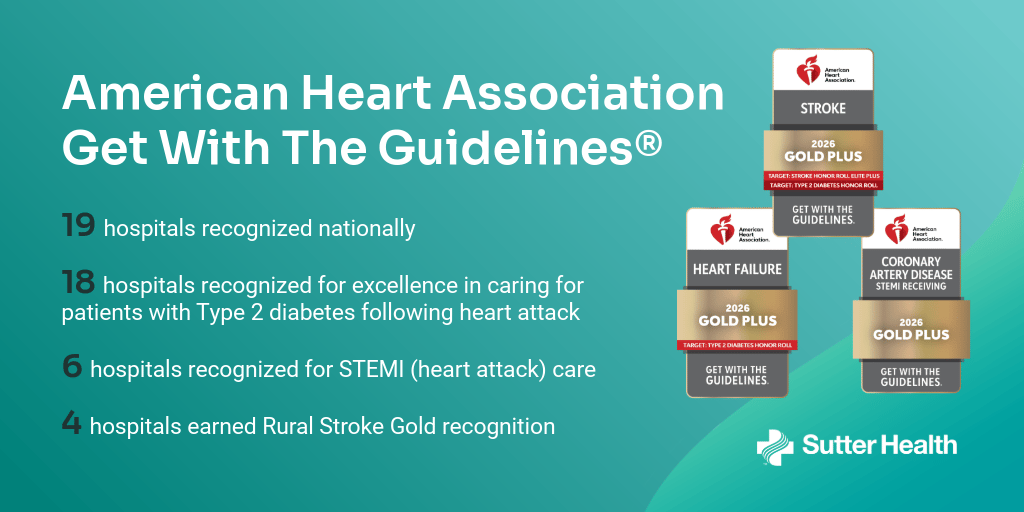
When dealing with matters of the heart, it’s important to find a healthcare provider with skill and experience. Sutter Health’s cardiovascular programs regularly earn awards from the American Heart Association for consistently following treatment guidelines when caring for patients with heart failure, atrial fibrillation or heart attack.