For the first time in Northern California, electrophysiologists at Sutter's CPMC are treating atrial fibrillation (AFib) using a newly FDA-approved catheter that delivers two different forms of energy during the same procedure.
Abbott's TactiFlex™ Duo allows physicians to switch between radiofrequency (RF) and pulsed field (PF) ablation in one catheter, giving them greater flexibility to treat complex cases as they unfold.
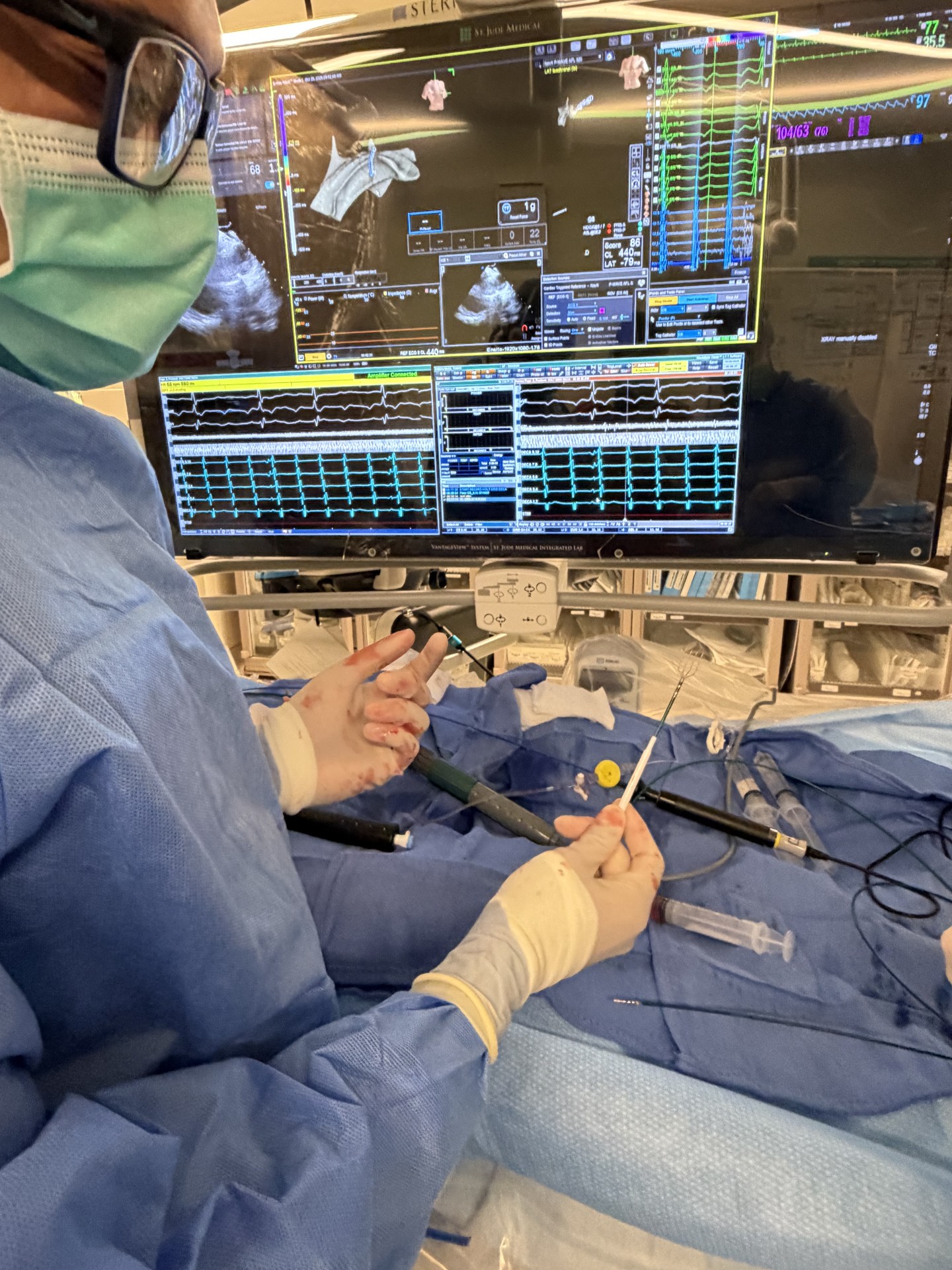
Dr. Saket Sanghai, an electrophysiologist with Sutter West Bay Medical Group, was part of the team that recently performed the region's first procedures using the technology.
“In patients with complicated anatomy, especially patients who have had previous procedures, you don’t know what you’re going to find once you get in there,” says Dr. Sanghai. “This allows me to respond in real time and do what’s best for the patient.”
Inside the Heart’s Electrical System
Inside the electrophysiology lab, that decision-making begins with a detailed picture of the heart's anatomy and electrical activity.
Dr. Sanghai demonstrates a mapping catheter with a delicate, whisk-like tip no larger than a pinky fingernail. Its flexible wires contain tiny sensors that collect information about the heart's anatomy and electrical activity.
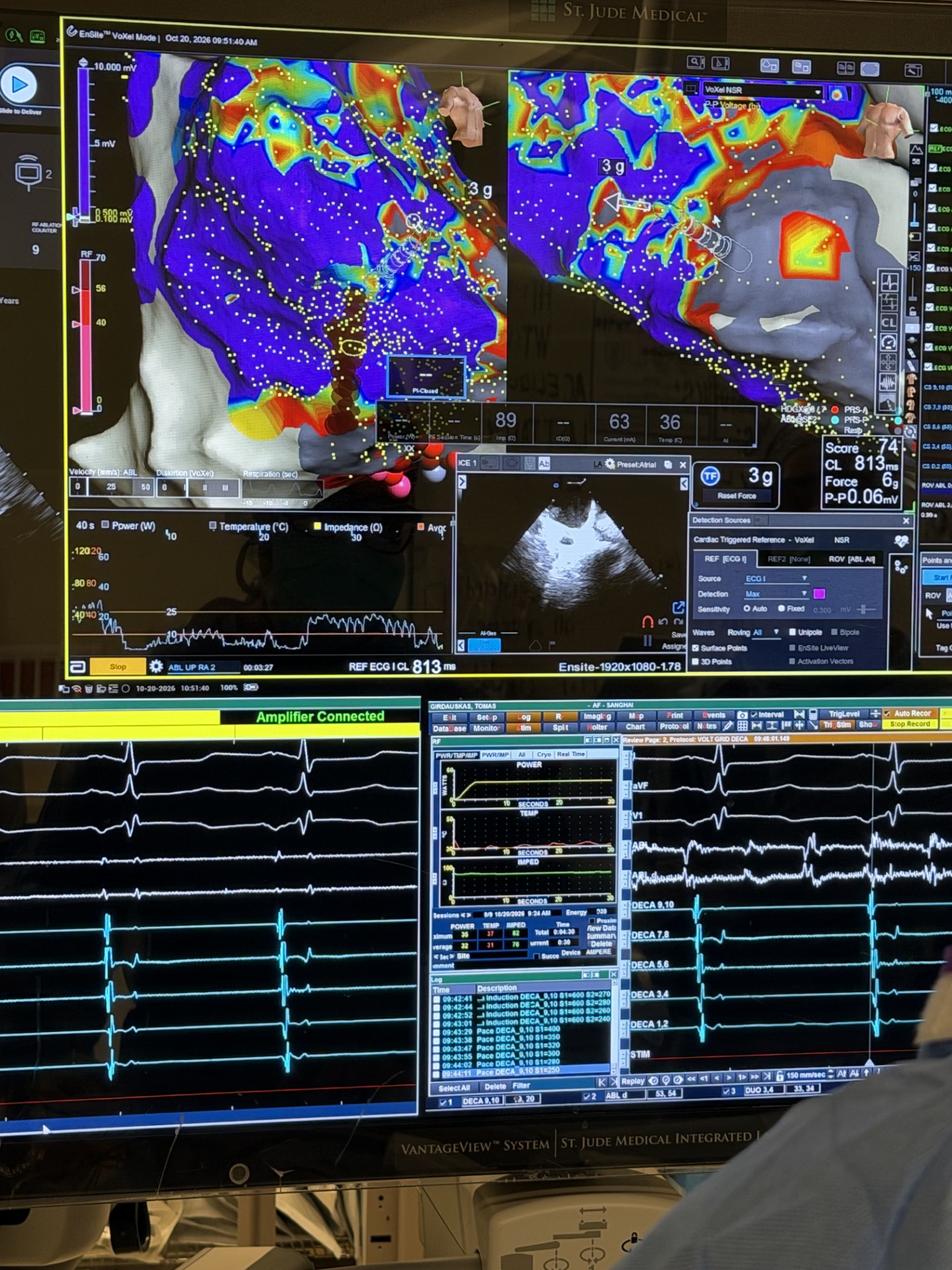
During the procedure, the catheter is guided through a vein in the groin and into the heart. As Dr. Sanghai moves it through the heart's chambers, Abbott's EnSite™ X EP System uses the information it collects to construct a detailed, three-dimensional map.
On the monitor, the patient's heart slowly rotates, its surface a patchwork of colors interrupted by tiny points of light that shimmer across the screen.
Dr. Sanghai calls them "sparkles."
The sparkles trace the sequence of electrical activation, making visible the impulses that govern the heart's rhythm. It's mesmerizing to watch. But Dr. Sanghai isn't admiring the view. He's studying the electrical pathways of a heart that has lost its rhythm, determining where to intervene.
And now, with two forms of energy available through a single ablation catheter, he has more ways to act on what he sees.
Two Ways to Interrupt an Arrhythmia
AFib occurs when rapid, disorganized electrical activity in the heart's upper chambers disrupts its normal rhythm. Patients may experience palpitations, fatigue, shortness of breath or dizziness, while others have no noticeable symptoms. AFib also increases the risk of stroke and heart failure.
For patients whose symptoms persist despite medication, catheter ablation can help restore and maintain normal rhythm by creating lesions that isolate arrhythmia triggers or interrupt abnormal electrical pathways.
For decades, electrophysiologists have used RF to treat abnormal heart rhythms. RF uses heat to create small scars in heart tissue, blocking the electrical signals that cause irregular heartbeats. It's a proven approach, but the heat can also damage nearby structures, including the esophagus.
PF works differently. Instead of heat, it uses short bursts of electricity to disrupt the membranes of heart cells. Because heart muscle cells are especially sensitive to this energy, PF can target them while reducing the risk of damage to surrounding tissue. But PF has limitations, too. It can cause coronary arteries to spasm, potentially leading to serious complications. And sometimes, its effects don't last.
Until recently, electrophysiologists generally had to choose between these two approaches before starting a procedure. TactiFlex Duo gives them more flexibility, allowing them to switch between heat and electrical pulses during the same procedure, using the same catheter. This gives physicians more control over how they treat different areas of the heart, with the goal of creating longer-lasting results while limiting damage to nearby tissue.
A New Level of Flexibility
That flexibility can be particularly valuable in complex AFib cases.
Some patients have challenging cardiac anatomy. Others have undergone previous ablations, leaving scar tissue and altered electrical pathways that can complicate subsequent treatment. Even within the same heart, different areas may call for different approaches.
During the recent procedures at CPMC, Dr. Sanghai used PF where appropriate, switching to RF when the treatment target called for a thermal approach. In some instances, he treated closely adjacent areas with different energy sources.
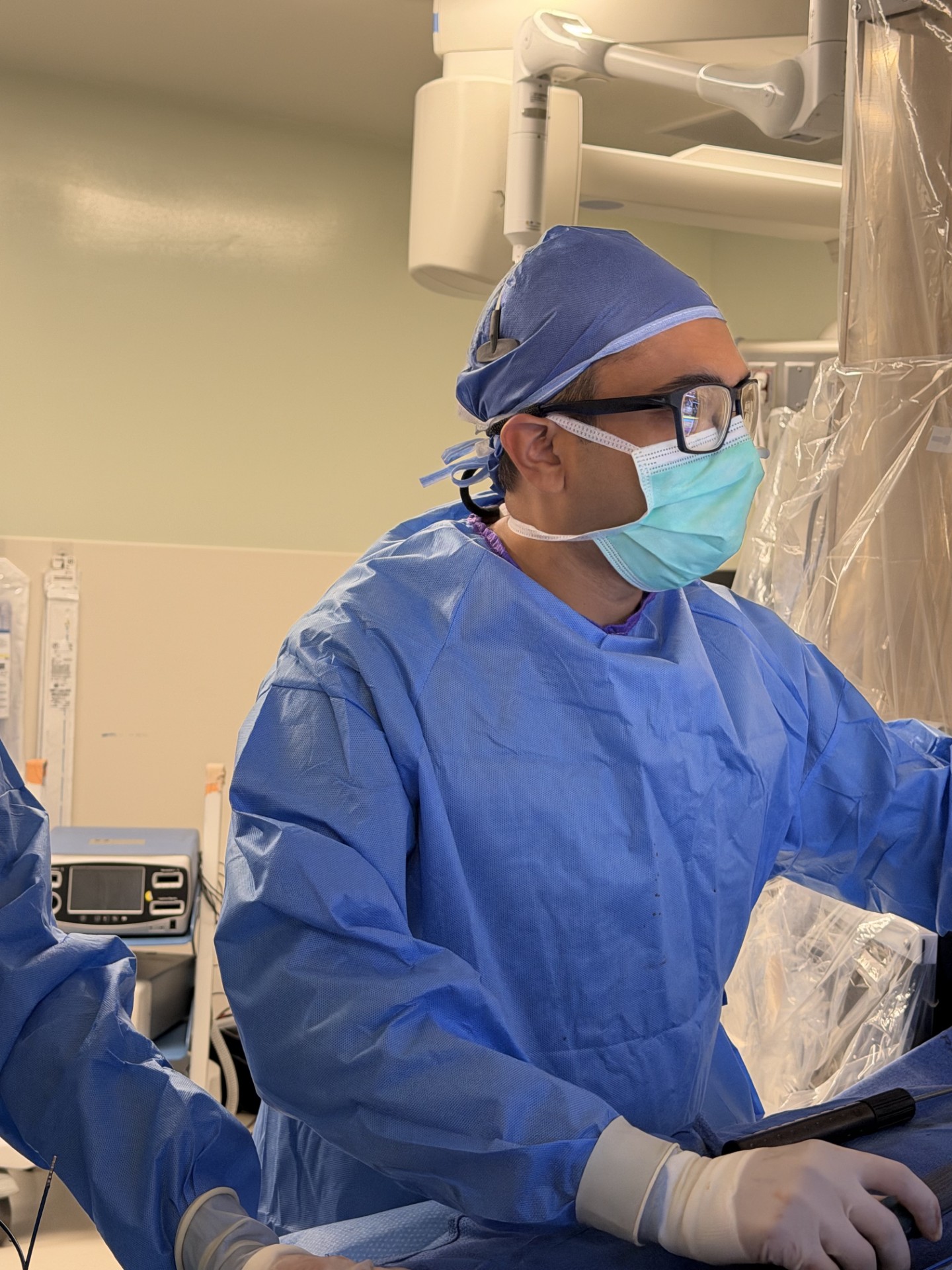
“With the dual-energy catheter, I can make those decisions as the procedure unfolds, depending on what structures I’m close to: never RF near the esophagus and avoiding PF near the coronary arteries. Sometimes, I use both.” says Dr. Sanghai.
As electrophysiologists gain experience with dual-energy ablation, researchers will continue to evaluate its clinical applications and long-term outcomes. The early experience at CPMC illustrates how the technology can support a more individualized approach to complex arrhythmias.
“CPMC has been at the forefront of pulsed field ablation, contributing to the clinical trials that brought this technology to patients, including ADVENT, VOLT-AF and PULSAR,” said Dr. Christopher Woods, Chair of the Heart & Vascular Service Line at Sutter West Bay Medical Group and Chief of Cardiac Electrophysiology for Sutter Health. “Dr. Sanghai’s use of this technology as part of this limited market release reflects the depth of our program and our expertise, and we are excited to continue down this path with these new technologies with trials like PVI-PLUS and DISRUPT-AF.”
Beyond the Technology
Back in the electrophysiology lab, the heart continues to turn on the screen, its electrical activity illuminated in waves of color and light. Dr. Sanghai studies the patterns, deciding where to intervene and which energy source to use.
The map reveals the heart's electrical behavior in extraordinary detail. The new catheter gives him more ways to act on what he sees.
For patients with complex AFib, the advance is more than a new device. It's another opportunity to match the treatment to the heart, rather than the other way around.