From wearable devices to artificial intelligence, new technologies are changing diabetes care. At Sutter Health, Dr. David Kerr is exploring how these tools could help identify risks earlier, improve access to care and ease the daily burden of managing diabetes. Programs like Sutter Sync offer a practical example of how digital health can support patients in everyday care.
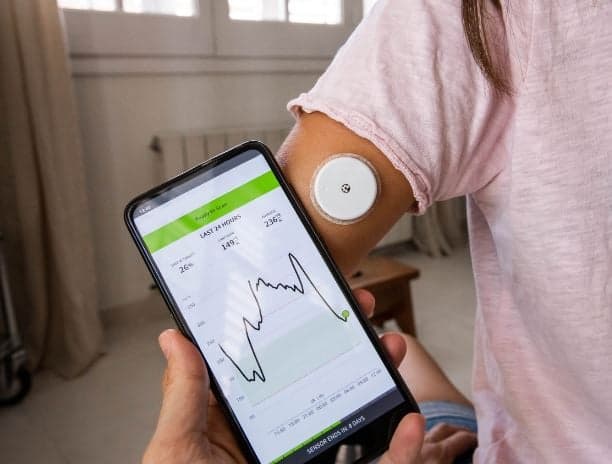
Managing diabetes is a 24/7 job. Continuous glucose monitors, small sensors worn on the skin, can track blood sugar levels throughout the day and night. But with more health information available than ever, the challenge is turning that data into meaningful support for patients.
This Diabetes Awareness Month, Dr. David Kerr, a senior scientist at Sutter Health Research Institute, is looking at what's next - using AI, continuous glucose monitoring, or CGM, and other digital tools to catch risks earlier, expand access to care and ease the daily weight of living with diabetes.
For Dr. Kerr, it's not about more technology. It's about giving people the right information at the right time, so they can spend less time managing diabetes and more time living well.
Q: What sparked your interest in diabetes technology, and what keeps you motivated?
A: Diabetes is a perfect example of how technology can transform healthcare. People living with it increasingly have real-time data about their own bodies through wearable devices. The challenge is making that information actionable, so it improves health without adding burden. That's clinical medicine at the cutting edge.
Q: How does caring for patients shape your research?
A: Diabetes isn't curable, and people living with it carry a lot of uncertainty while spending relatively little time in general with care professionals. It's also demanding, day in and day out. That's why research needs to help reduce risk and burden, so people can spend less time on self-management and more time enjoying life.
Q: What recent work excites you most right now?
A: Sutter Health is at the start of the AI revolution in diabetes care. We're better than ever at generating data and predicting outcomes for people with, or at risk of, diabetes. Paired with AI, that means earlier diagnosis, earlier treatment and more equitable access to care. The future is a partnership between professionals, people with diabetes and technology, including AI.
Q: How can primary care teams better integrate emerging diabetes technologies?
A: Sutter Health has worked with the American Diabetes Association and Diabetes Technology Society on guidance to expand access through primary care, especially as fewer specialists have expertise in diabetes technology. We've published guidance on delivering CGM and automated insulin, technology that automatically adjusts insulin doses based on real-time glucose readings , delivery through primary care. The ADA is now launching a major initiative across primary care sites nationwide to prove this can be done safely and effectively — and Sutter Health is helping lead it.
Q: What research findings have been especially meaningful to you?
A: Real-time CGM has been game-changing for people who use insulin, helping them manage glucose levels while avoiding dangerous lows. Now we're seeing its benefits extend beyond insulin use, including for people with prediabetes. We're also likely to see more use of CGM alongside GLP-1 medications to help people maintain their overall health of how the body processes energy.
Q: How do you hope your research will improve care for patients and families?
A: Research creates new knowledge. The real challenge is putting it into practice so everyone who could benefit, does. Digital health is increasingly one of the fastest ways to make that happen. At Sutter Health, initiatives like Sutter Sync, a digital health program designed to help patients better manage chronic conditions like diabetes, are part of our commitment to expanding digital health and improving care for patients and families
Q: What career accomplishments or experiences have been especially meaningful to you?
A: In clinical research involving technology, collaboration is everything. I'm proud of what we've built across Sutter Health, between our research team, data science and clinicians across service lines. That's been strengthened by partnerships with academia, including Rice University and the University of Tokyo, industry partners, and most importantly, people with diabetes who are research partners, not just participants.
Advancing research, improving patient care
Dr. Kerr’s research is part of a broader effort to turn scientific discovery into better patient care. The inaugural Sutter Health Research Institute Annual Report showcases the research achievements, collaborations and innovations helping advance care across Sutter Health.
Explore the annual report to learn more.