A new pilot Collaborative Care Model makes mental health care easier to access — reducing stigma, cutting wait times, and helping patients get care in weeks instead of months.
Anxiety or depression can feel overwhelming, especially when long wait times or a fragmented referral process make it harder to get help. A new program at an East Bay medical group is changing that by embedding behavioral health care directly into primary care visits. Patients gain streamlined treatment plans, timely support, and the reassurance of a dedicated care team at every step.

For Dr. Jessica Uno, a double board-certified child, adolescent, and adult psychiatrist joining Sutter East Bay Medical Group, this work represents a different way of thinking about mental health care.
“Hopelessness often comes from the belief that things won’t change, but they can, and they do,” said Dr. Uno. “Patients have the capacity for growth and recovery. When we work as a team, we remind people they’re not alone.”
How the Collaborative Care Model Works
In the Collaborative Care Model, a behavioral health care manager, primary care doctor, and psychiatrist team up to deliver patient care in weeks instead of months. The model gives primary care doctors steady specialist support and creates treatment plans that are clear, personalized, and effective.
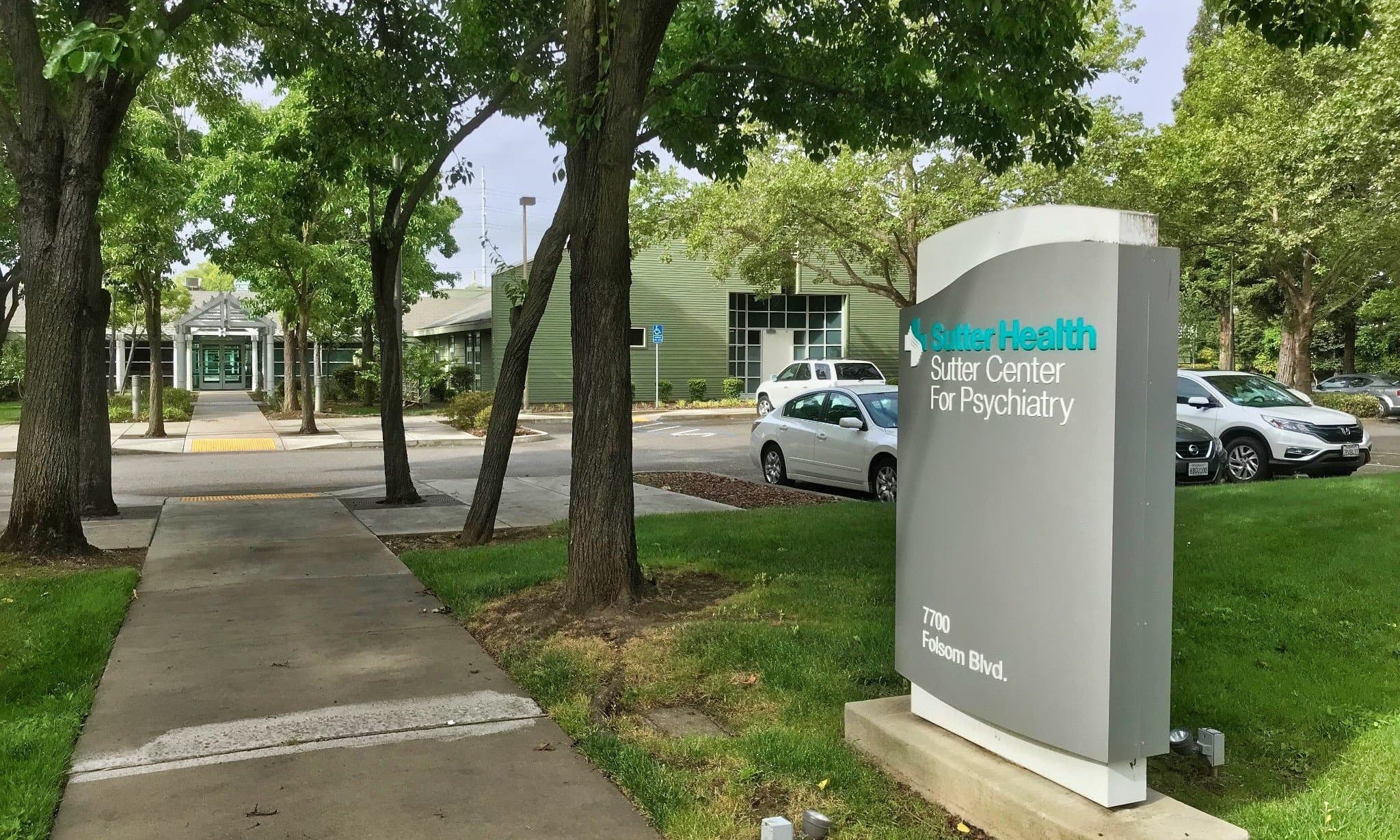
Dr. Uno is Sutter East Bay Medical Group’s first psychiatrist in the new Outpatient Specialty Psychiatry Clinic and the collaborative model pilot, launching this fall at the Milvia Care Center in Berkeley, with plans to expand to other sites.
Five Practical Everyday Tips to Protect Your Mental HealthSmall steps can make a big difference.
- Spot early signs – Changes in sleep, appetite or mood can be the first signal something’s off.
- Know your support – Identify friends, family or programs you can lean on.
- Ask for help early – Reaching out sooner makes recovery easier.
- Build healthy routines – Simple habits like walking, journaling or breathing exercises can ground you.
- Check in with others – A quick call, text, or visit can make a big difference for someone else.
“When you have a care team working together, it lightens the burden and strengthens outcomes,” Dr. Uno said. “Mental health care takes a village. By building stronger connections between patients, families, and providers, we can ensure every patient has the support they need to thrive.”
Storytelling as Part of Care
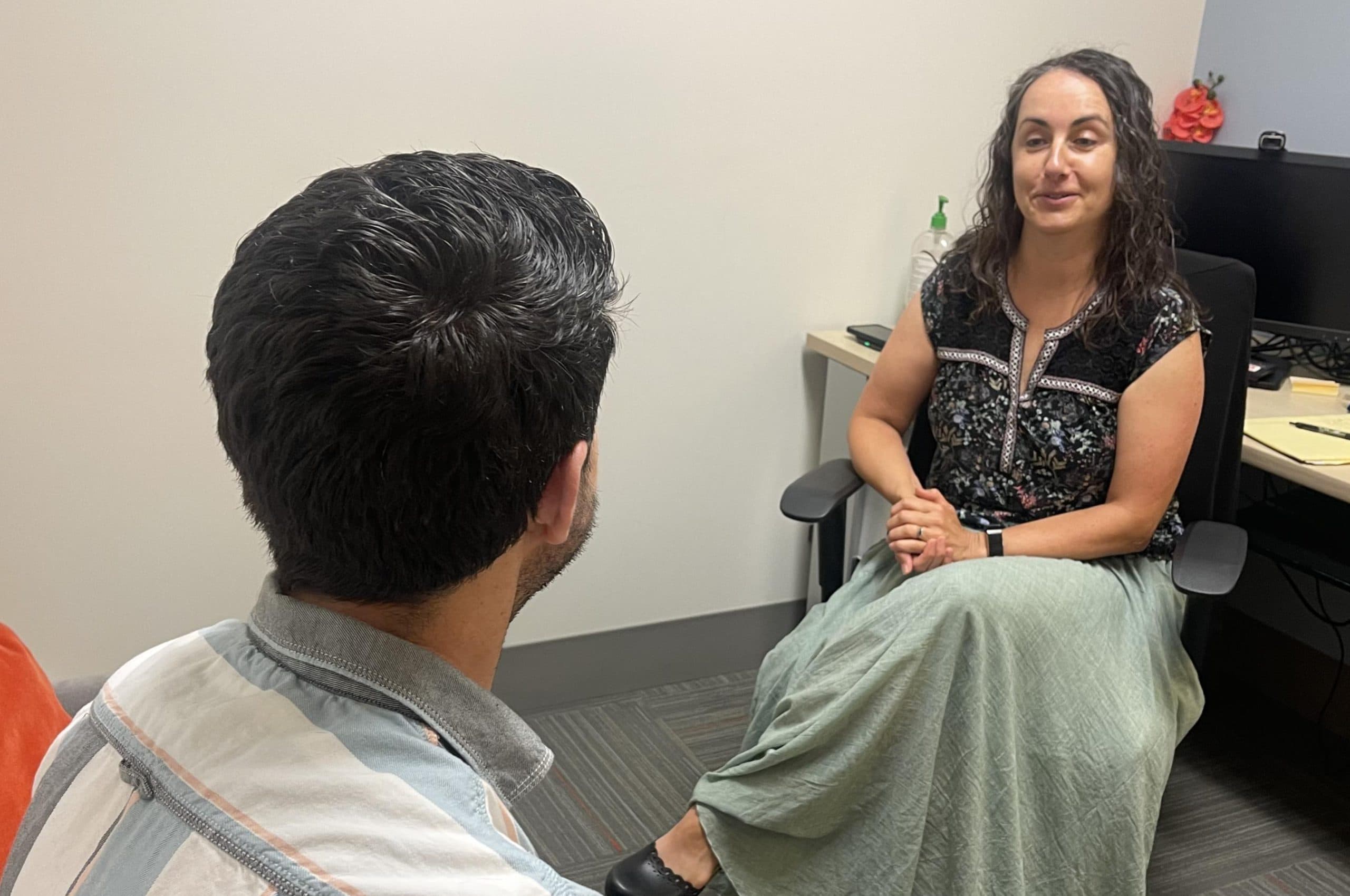
Dr. Uno describes psychiatry as a kind of storytelling, with the patient’s voice at the center. She listens to each person’s goals and strengths to design treatment plans that fit their lifestyle.
“When patients can share openly, it helps them feel seen and supported,” she said. “It also reminds them that their challenges don’t define them, their story continues to grow and change.” This openness not only shapes individual care, but also reduces stigma and encourages earlier treatment, helping to create a culture where recovery feels possible.