
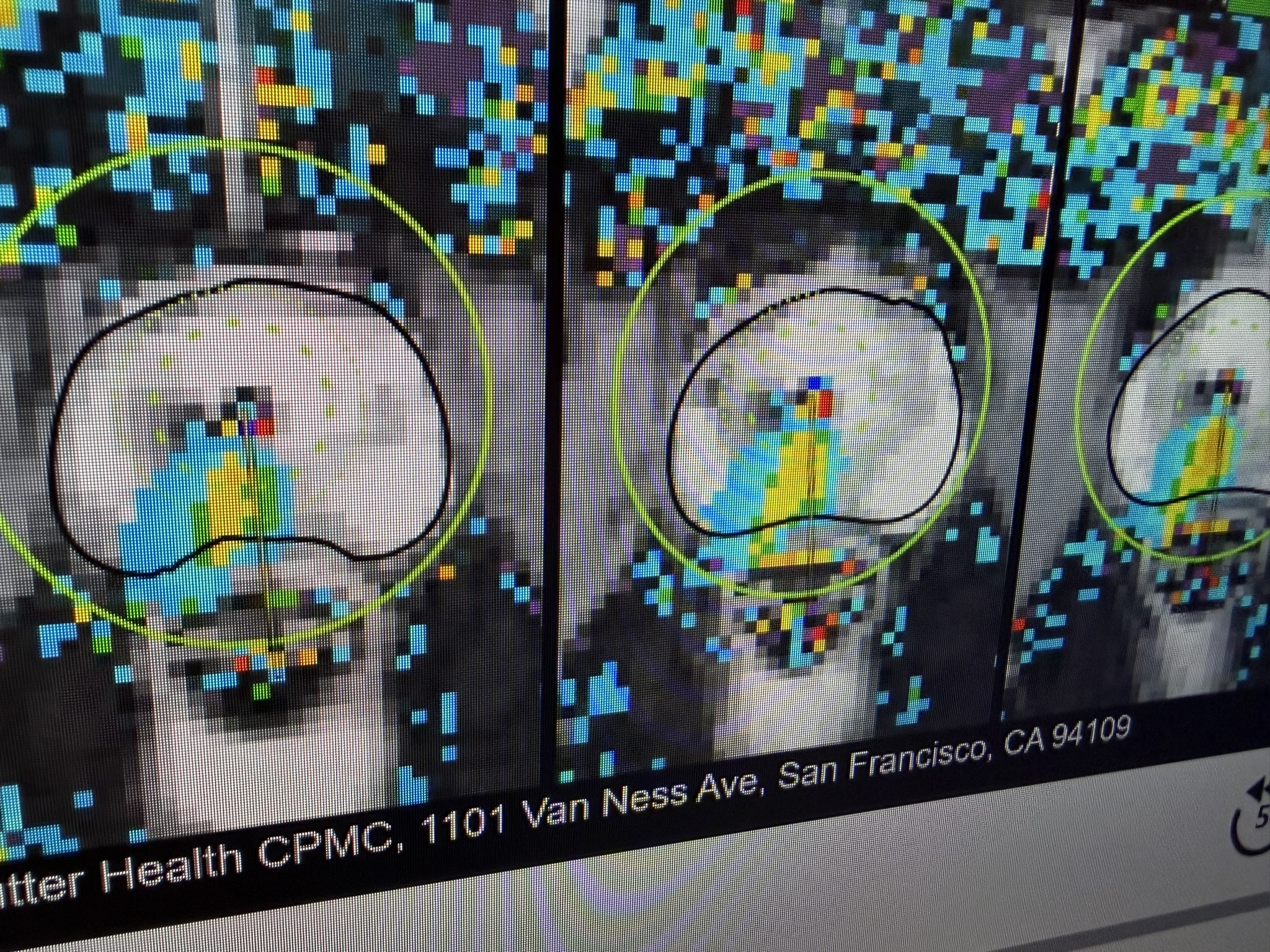
Photo: Using real-time MRI imaging, the radiologist outlines the exact area targeted for treatment. Everything inside the black line will receive therapy, allowing physicians to precisely treat diseased tissue while avoiding surrounding healthy structures.
Sutter’s CPMC Van Ness Campus is now offering TULSA-PRO®, an MRI-guided treatment for appropriately selected patients with prostate cancer and BPH.
When Charles Sandvig learned earlier this year that he had prostate cancer, he approached the diagnosis the same way he had approached decades of work as an architect and project management consultant. He researched every option and carefully weighed the tradeoffs.
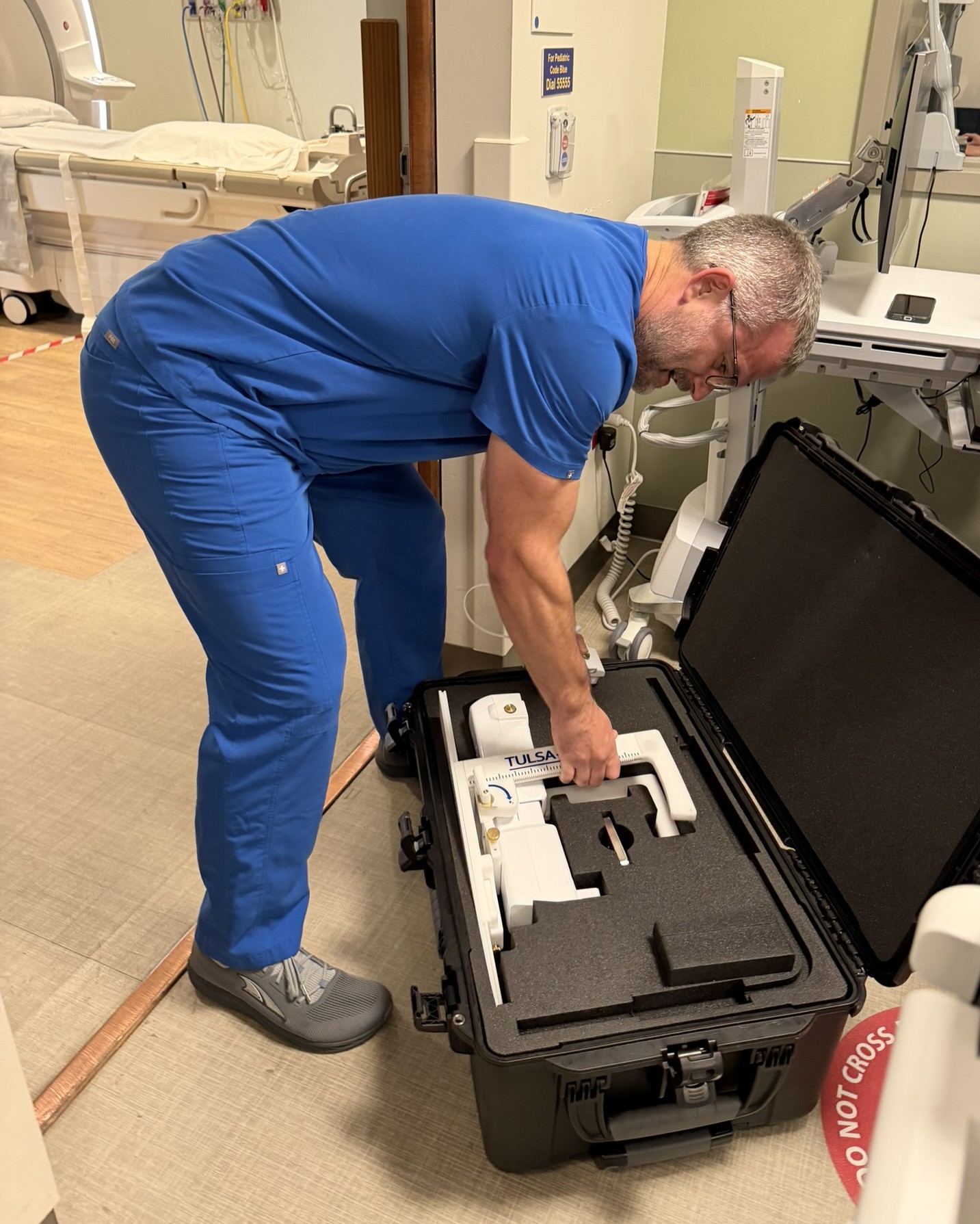
TULSA-PRO made by Profound Medical
At 71, Sandvig wanted to treat the cancer, but he also hoped to preserve the parts of life he valued most, including his daily swims at the YMCA and walks around San Francisco.
“I’ve spent my career analyzing complex problems and finding solutions,” Sandvig said. “That’s exactly how I approached my cancer care.”
That search led him to become the first patient at Sutter Health to undergo TULSA-PRO® (Transurethral Ultrasound Ablation), a minimally invasive procedure that uses MRI-guided imaging and sound waves to destroy cancerous tissue inside the prostate.
Precision Heating Under Real-Time MRI
Prostate cancer is one of the most common cancers among American men, affecting about one in eight over the course of their lives. But deciding how to treat it can be complicated. Surgery and radiation can be effective, but they can also affect urinary, bowel and sexual function.
TULSA-PRO, performed Aug. 6 at Sutter’s CPMC Van Ness Campus, is a newer treatment option for patients with prostate cancer.
During the procedure, a thin ultrasound device is inserted through the urethra while the patient lies inside an MRI scanner. Using real-time MRI imaging, doctors can see the prostate throughout treatment and precisely target diseased tissue while helping protect nearby healthy tissue.
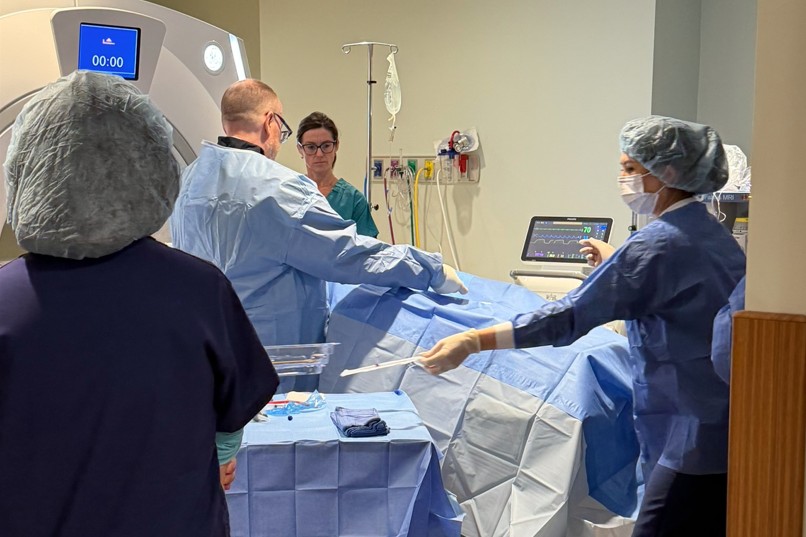
Dr. Brian Grady performs Sutter’s first TULSA-PRO® procedure to treat prostate cancer and BPH
For Dr. Brian Grady, a urologist with Sutter West Bay Medical Group, the technology offers another tool for treating prostate cancer while considering what happens after treatment.
“For appropriately selected patients, the goal is to treat the cancer while minimizing the impact on the functions that matter to quality of life,” Dr. Grady said.
Dr. Grady performed Sutter’s first TULSA-PRO procedure in partnership with CPMC radiologists Dr. Hashem Al-Dujaili, Dr. Olufoladare Olorunsola, known to patients as Dr. Dare, and Chief Radiologist Dr. Nazia Jafri.
Bringing a New Treatment to Sutter Health
Making the procedure available at Sutter’s CPMC Van Ness Campus was a two-year effort involving urology, radiology, anesthesiology and specialized clinical care teams.
For Wes Ayres, chief operating officer at the medical center, adding TULSA-PRO is part of a broader effort to expand treatment options for prostate cancer and benign prostatic hyperplasia, or BPH.
“At Sutter, we are committed to providing access to high-quality care close to home,” Ayres said. “This technology broadens what is available to men while keeping their everyday quality of life at the center of the conversation. We’re grateful to Mr. Sandvig for going on the journey with us.”
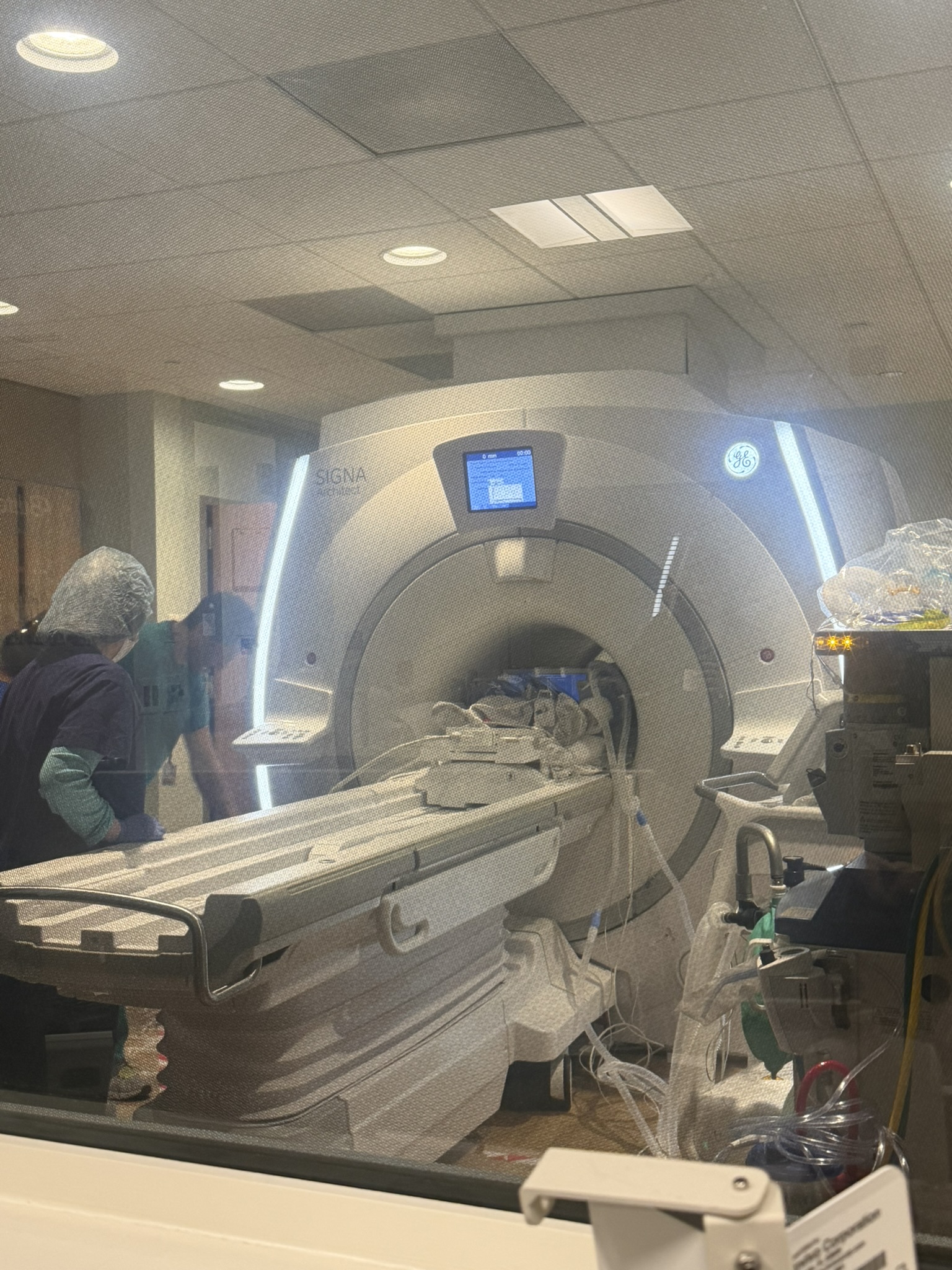
Mr. Sandvig in the MRI during the TULSA-PRO procedure
For Sandvig, the decision to be the first patient was less complicated.
He had studied how the procedure worked, asked questions and considered what mattered to him. The technology’s use of thermal mapping appealed to the problem-solving instinct he had developed over his career.
“Once I learned how the thermal mapping worked, it felt like the right fit,” Sandvig said.
He knows being the first comes with some uncertainty, but he hopes his experience will equipp others with more information when making decisions about their prostate cancer.
“If going first helps helps other men , I’m glad I did it,” he said. “I’m a pioneer.”
Learn more about urology services at Sutter Health.
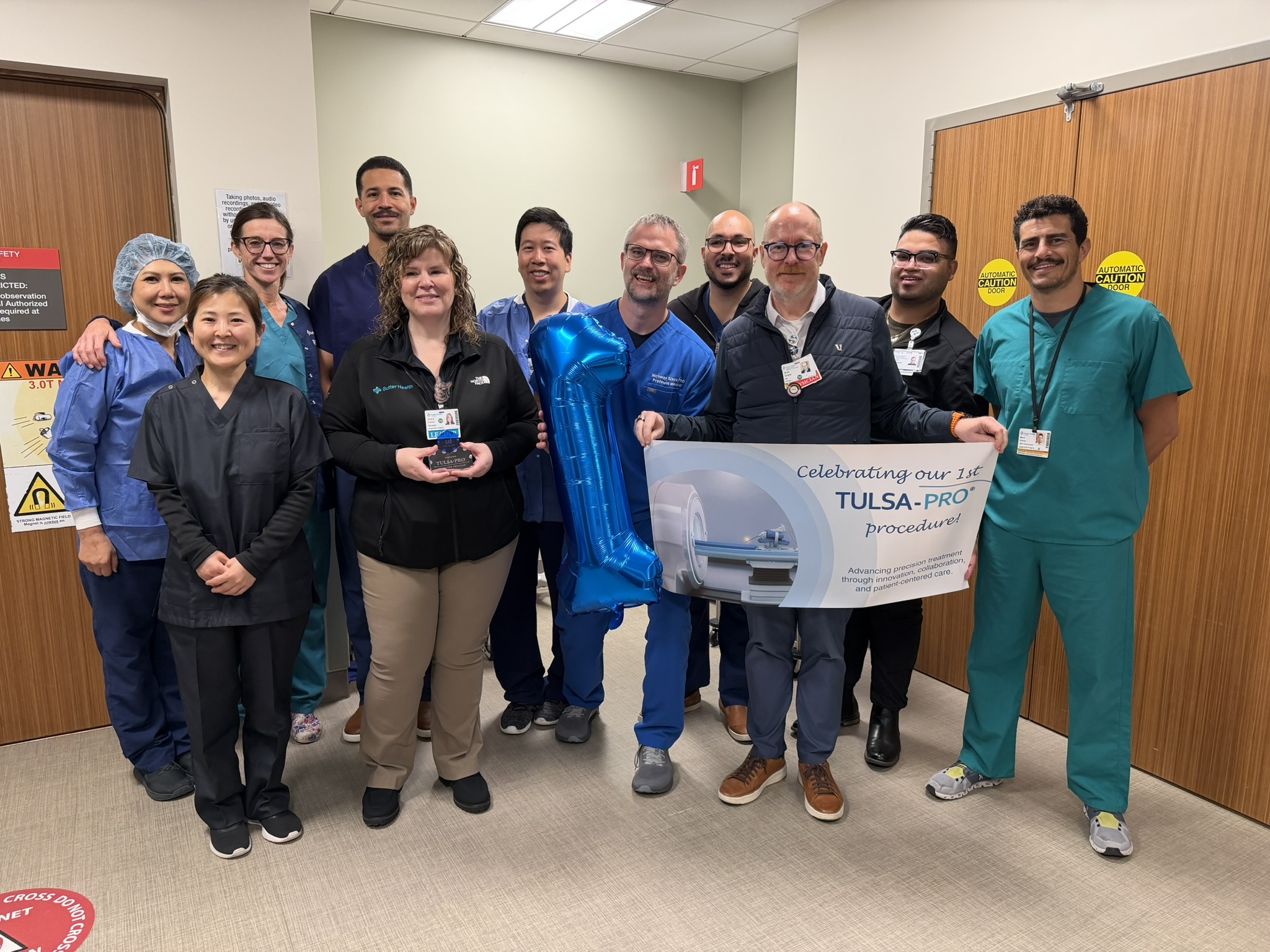
The clinical team at Sutter’s CPMC Van Ness Campus completes Sutter Health’s first TULSA-PRO® procedure