Featuring cutting-edge scientific presentations from physicians and investigators as well as leaders from Google Health and Epic Systems, Sutter Health’s fourth annual Research Symposium highlighted the breadth of research underway across Sutter that can unlock new clues for disease prevention, earlier detection of illness and better treatment.
- Could Coordinated Care Help Catch Lung Cancers Earlier?

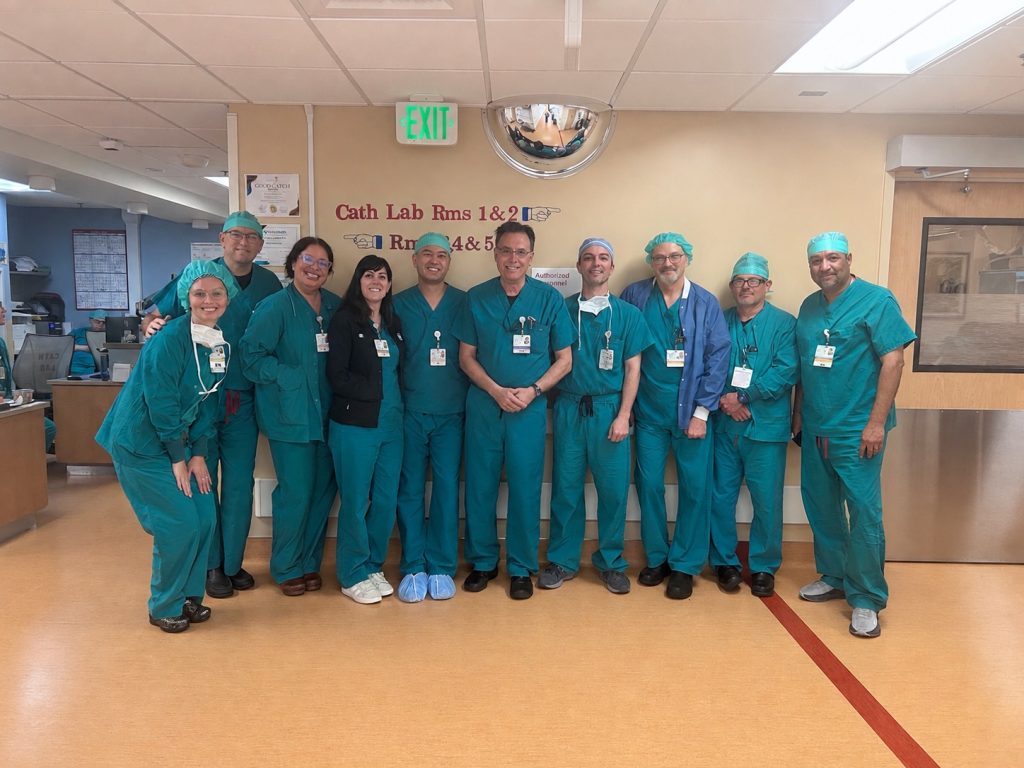
From left to right: Dr. Jason Wiesner, chair of the Sutter’s Diagnostic Imaging Services, Jodi Bobbitt, RN, supervisor of clinical programs in the Cancer Service Line and Dr. Jiang Li, senior scientist at Sutter Health Research Institute present their finding at the symposium.
Getting screened for lung cancer is important, but what happens after a scan can be just as critical.
Sutter Health researchers studied patients whose lung cancer screening scans showed findings requiring additional monitoring or evaluation between January 2022 and September 2025.
The research was led by Dr. Jiang Li, senior scientist at Sutter Health Research Institute and clinical collaborators Jodi Bobbitt, RN, supervisor of clinical programs in the Cancer Service Line and Dr. Jason Wiesner, chair of the Sutter’s Diagnostic Imaging Services.
The researchers compared lung cancer detection, early-stage diagnosis, and mortality among patients receiving multidisciplinary nurse navigation through Sutter’s Lung Nodule and Cancer Screening Program with those receiving usual care. Patients in both groups could receive appropriate follow-up, but the program provided additional support to improve follow-up, reduce delays, and increase patient engagement through more standardized workflows and coordinated care.
Among patients diagnosed with lung cancer, 63% of those in the program were diagnosed with the illness at an early stage, compared with 48% receiving usual care.
“An abnormal lung scan is only the beginning,” said Dr. Li. “What matters next is making sure patients receive the follow-up care they need. Our research suggests a more coordinated approach may help detect lung cancer earlier, when patients have more treatment options.”
- Could Your Genes Help Doctors Find the Right Medication for You?
Dr. Gregory Tranah, senior scientist, on stage at the symposium.
Ever wonder why the same medication might work well for one person but cause side effects or fail to work for another? Genetics may help explain why.
Using information from thousands of Sutter Biobank participants, Dr. Gregory Tranah, senior scientist at Sutter Health and colleagues identified genetic differences linked to how patients respond to medications for cancer, pain, depression and high cholesterol.
“Imagine knowing which medication is most likely to work for you before you even take the first dose,” said Dr. Tranah. “A single, inexpensive genetic test could help doctors select the right medication and dose for each patient, reducing guesswork and potentially avoiding unnecessary side effects.”
- Could a Blood Test Reveal How Well You’re Aging?
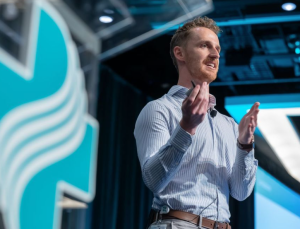
Tyler Mansfield, statistician at Sutter Health’s Center for Aging Science.
People of the same age don’t always experience aging in the same way. Blood proteins may offer clues about those differences.
Tyler Mansfield, statistician at Sutter Health’s Center for Aging Science and colleagues examined patterns across thousands of blood proteins in samples collected from 838 study participants aged 70 and older from the federally funded and Sutter-led Study of Muscle, Mobility and Aging (SOMMA).
Those whose blood proteins showed the most fragmented patterns had about an 85% higher risk of unplanned hospitalization in the following years than those with the most organized patterns. These patterns were also linked to slower walking, weaker legs, poorer thinking skills and greater frailty.
“Two people can be the same age on paper but have very different health risks,” said Mansfield. “By studying patterns in the blood, we hope to better understand who’s most vulnerable and, one day, potentially help doctors identify those risks before a health crisis occurs.”
- Do Injury Patterns from Accidents from Regular Bikes vs. E-Bikes and E-Scooters Differ?

From left to right: Dr. Varun Kapur, trauma surgeon with Sutter Independent Physician, and Dr. Garrett Hagwood, third-year surgery resident at Sutter Roseville Medical Center.
Researchers are taking a closer look at how injuries involving e-bikes and e-scooters compare with those involving traditional bicycles.
Dr. Garrett Hagwood, third-year surgery resident and Dr. Varun Kapur, trauma surgeon with Sutter Independent Physicians analyzed 890 trauma cases at Sutter Roseville Medical Center between 2023 and 2025. They found e-bike and e-scooter riders were generally younger, less likely to wear helmets and experienced different injury patterns, including higher percentages of arm and leg fractures than traditional bicycle riders.
“Not all two-wheeled accidents result in the same injuries,” said Dr. Kapur. “We’re seeing differences in who gets hurt and the types of injuries they experience. Understanding those patterns can help us identify where legislation and prevention efforts are needed most.”
- What Can Millions of Patient Records Teach Us About Health?

Dr. Karen Wong, physician and data scientist at Epic highlighted Cosmos.
At the symposium, Dr. Karen Wong, physician and data scientist at Epic highlighted Cosmos, a research platform from Epic that brings together patient health information from hundreds of healthcare systems. By studying these records, researchers can investigate diseases, compare treatments and identify patterns that may be difficult to detect in studies involving smaller numbers of patient records.
The growing availability of health data offers new opportunities to answer medical questions and better understand what works for different patients.
A Look Ahead: The Future of Research
The symposium reinforced the momentum behind Sutter Health’s research portfolio and the opportunities ahead.
The discoveries highlighted at the Research Symposium are just a snapshot of the work underway across the Sutter Health Research Institute. • 700+ active and enrolling research studies • 7,500+ active research patients • 300+ scientific investigators • 40+ NIH grants • 300+ scientific publications
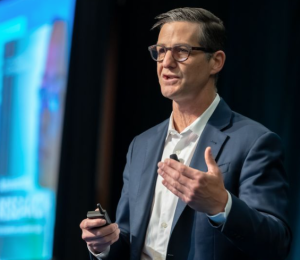
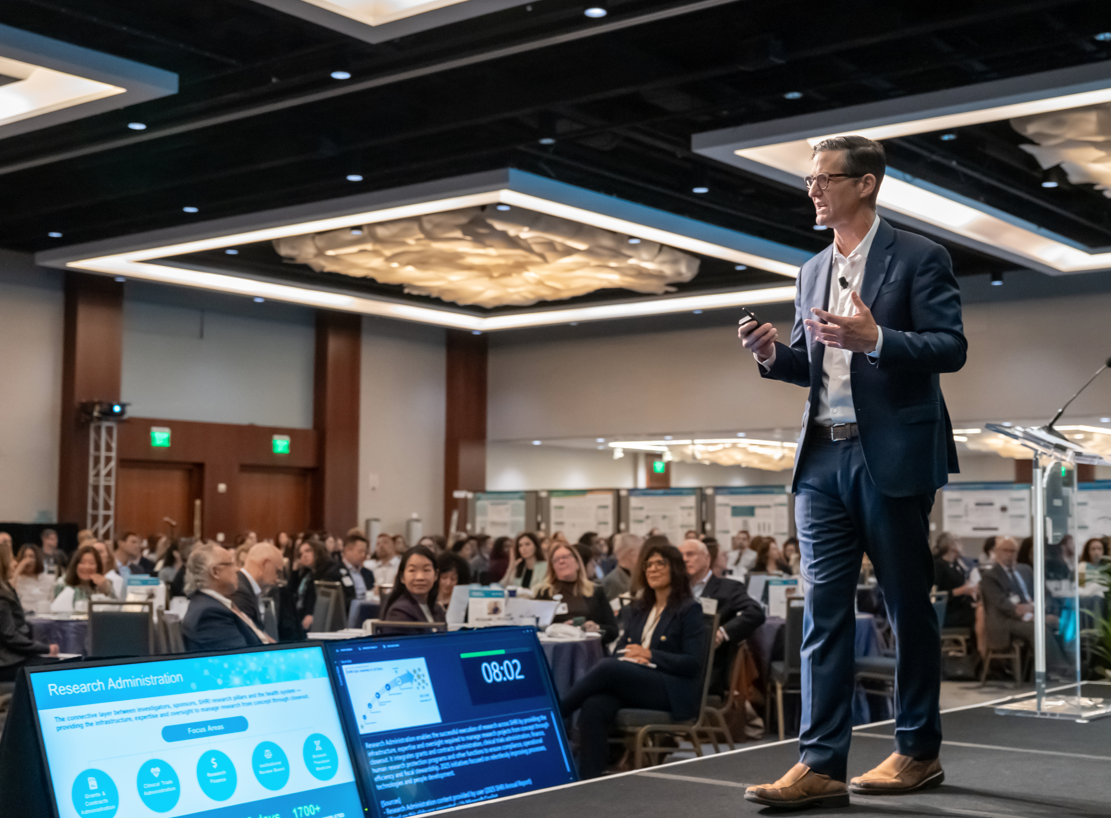
Dr. Matthew Solomon, vice president and chief scientific officer at Sutter Health
“The future of research lies in turning scientific discovery and the everyday, critical questions that arise in the clinic or beside into meaningful improvements in patient care,” said Dr. Matthew Solomon, system vice president and chief scientific officer at Sutter Health. “Through the Sutter Health Research Institute, we’re strengthening collaboration, accelerating innovation, embedding research directly within our physician-led clinical teams and bringing promising discoveries closer to the patients and communities we serve.”