By Karin Fleming, Julia Jones and Nicole Young, Vitals contributors
A personalized cancer vaccine could help prevent melanoma from returning after surgery. Sutter investigators Dr. Kevin Kim, oncologist and chief of precision medicine at Sutter Health, and Dr. Mohammed Kashani-Sabet, medical director of Sutter’s CPMC Cancer Center led Sutter’s participation in the Phase 2 KEYNOTE-942 study that helped make this advance possible.
Sutter Health investigators helped contribute to the earlier Phase 2 research that established promising evidence for this personalized vaccine approach. Now, newly released results from the larger international Phase 3 INTerpath-001 trial provide further evidence of its potential, showing that the personalized mRNA vaccine combined with pembrolizumab reduced the risk of melanoma recurrence or death at two years compared with pembrolizumab alone.
A Vaccine Tailored to the Patient
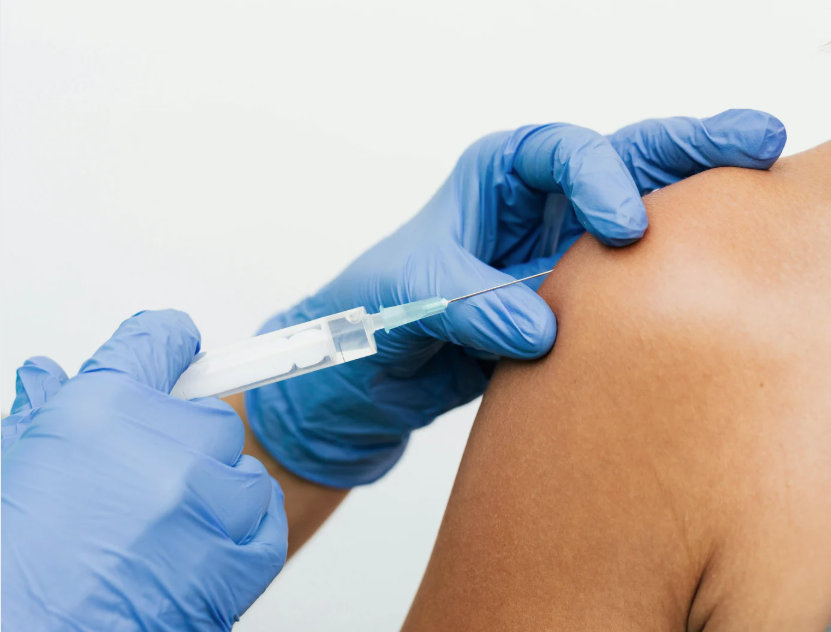
The experimental vaccine uses mRNA technology to help the immune system recognize and attack cancer cells. Each vaccine is personalized using the unique genetic characteristics of an individual patient’s tumor to identify tumor-specific targets, thereby enhancing the immune system’s ability to recognize and eliminate cancer cells. The goal is not to guarantee that cancer will be prevented, but to reduce the risk of melanoma returning or spreading after surgery.
Sutter’s Role in Advancing the Research
The Phase 3 findings build on the KEYNOTE-942 study that evaluated the personalized vaccine with pembrolizumab versus pembrolizumab alone in patients whose melanoma had been surgically removed.

Dr. Kevin Kim
“What makes this approach so exciting is that we’re using the unique characteristics of a patient’s cancer to help their immune system recognize it,” said Dr. Kim. “This could give us a more personalized way to reduce the risk of melanoma coming back. In my view, this is precision medicine at its best.”
KEYNOTE-942 helped move the personalized vaccine approach from promising science to large-scale testing. After five years of follow-up, patients in that Phase 2b study who received the vaccine and pembrolizumab had a 49% lower risk of cancer recurrence or death and a 59% lower risk of distant spread or death than those who received pembrolizumab alone. These results differ from the Phase 3 findings because the studies involved different patient populations and follow-up periods.

Dr. Mohammed Kashani-Sabet, Medical Director of Sutter’s CPMC Cancer Center.
“Seeing this research progress from an early clinical trial to promising results in a much larger study is encouraging,” said Dr. Kashani-Sabet. “It brings us closer to a potential new treatment option for patients who face the risk of their cancer returning.”
What Happens Next
The personalized vaccine remains investigational and has not been approved by the U.S. Food and Drug Administration. If approved, it could offer certain patients with high-risk melanoma another way to reduce the risk of their cancer returning after surgery.
Across Sutter Health, researchers and clinicians are advancing studies that bring promising discoveries closer to patients and help shape the future of care. Learn more about Sutter’s research and clinical trials at sutterhealth.org/research.