How coordinated heart care helped a patient return to a life he loves
By Jenn Lonzer, Vitals contributor
Brad McBride had always lived an active life – whether walking the golf course with friends or dancing with his wife. But in 2021, he began to notice subtle changes. Activities that once felt effortless suddenly left him short of breath. Even a round of golf required frequent stops to rest.
At first, McBride brushed it off. But, during a routine visit with his primary care physician, an EKG raised concerns. Later that evening, McBride received a call from a consulting cardiologist that changed everything.
An Urgent Diagnosis
“I was shocked,” McBride recalls. “They told me my heart rate had been down to just 37 beats per minute.” This is dangerously low – even though he hadn’t felt faint or passed out. McBride needed a pacemaker, which was implanted within days.
For a while, things seemed to stabilize. But two years later, remote monitoring showed worrisome spikes in McBride’s heart rhythm. Around the same time, he learned that his cardiologist was retiring soon, leaving him without clear direction at a scary time.
Left Without Clear Direction
“I felt stuck,” he says. “When I tried to find a new doctor, I just kept getting transferred.” The fear of another episode – that might be the one – weighed on him.
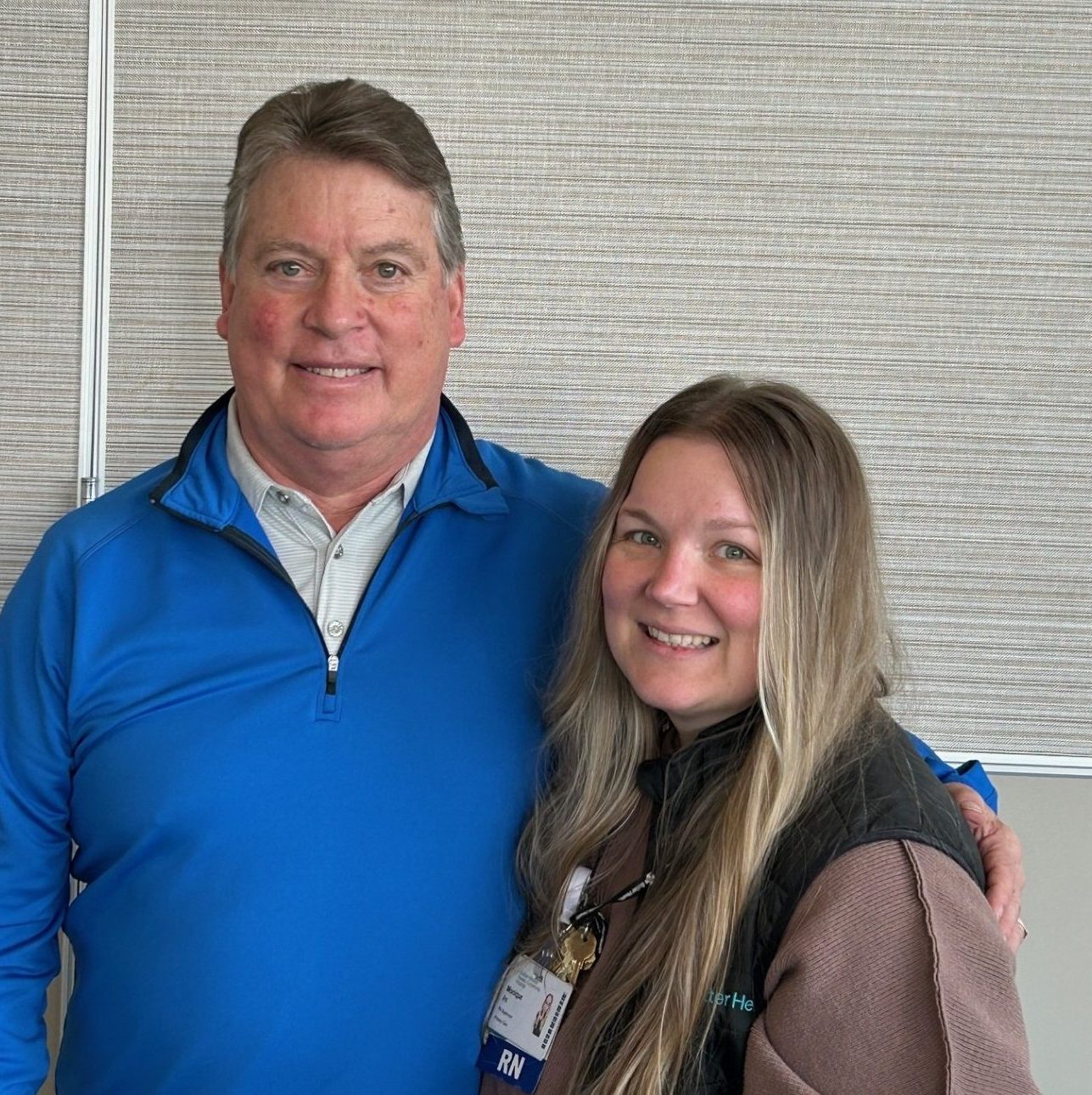
That’s when McBride’s daughter stepped in. Monique McBride, a registered nurse and clinical nurse supervisor at Sutter’s Novato Community Hospital, reached out to a trusted cardiologist in her office, Dr. Benjamin Romick, from Sutter West Bay Medical Group. Dr. Romick reviewed McBride’s scans and agreed to take him on as a patient. Their first appointment was a video visit, an important first step for McBride, who was hesitant about traveling for care.
“I wasn’t excited about driving into San Francisco or Novato,” McBride admits. “It felt far at the time. But once I met Dr. Romick, that hesitation disappeared. He was patient. He listened. For the first time in a while, I felt like someone was really taking the time to understand what was happening.”
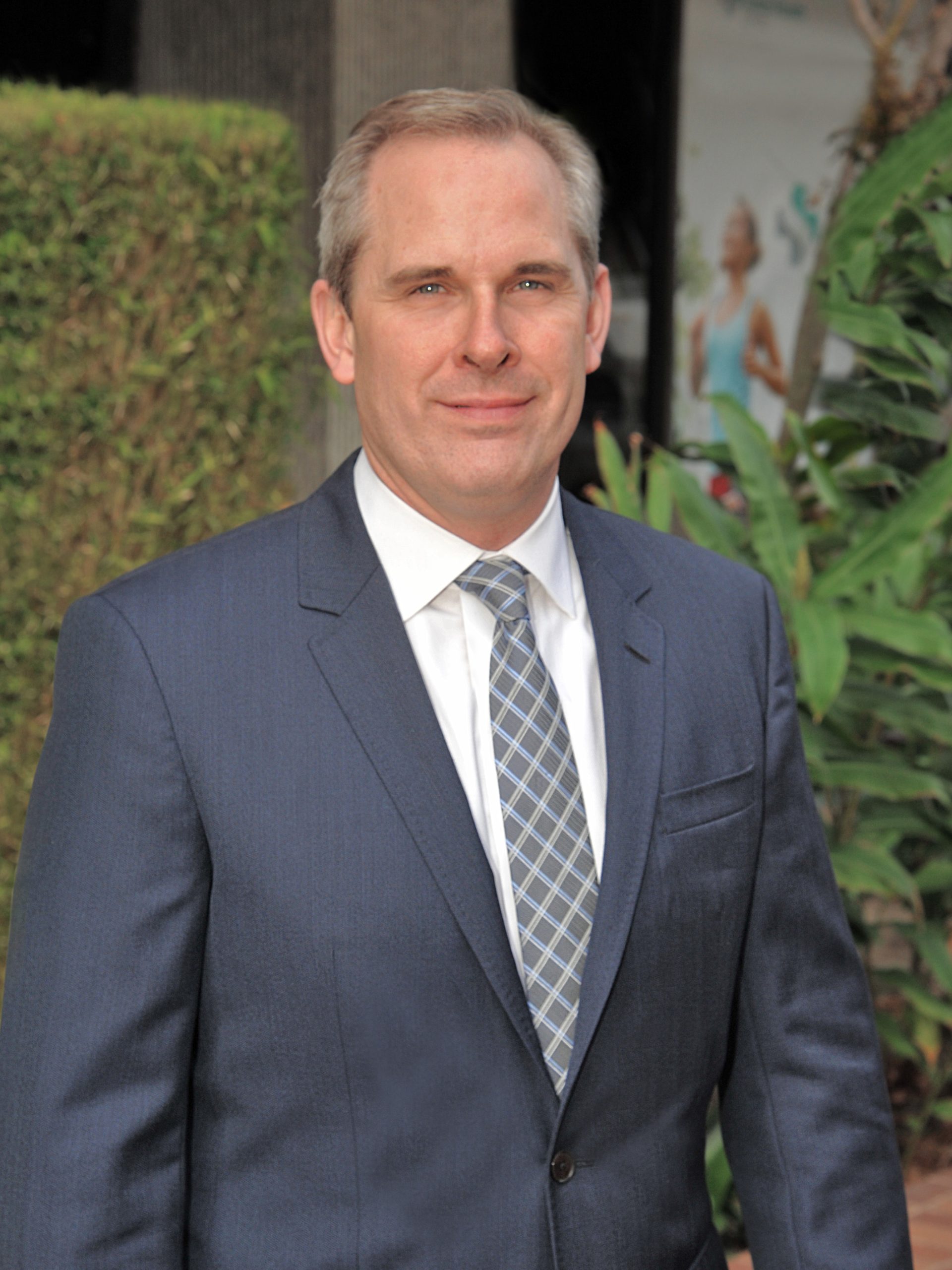
Dr. Benjamin Romick
Dr. Romick remembers that first visit clearly.
“When I first met Brad over telehealth, my goal was simple: slow everything down and make sure he understood what was happening,” says Dr. Romick. “There was a lot to sort through, and he deserved clarity. Once we reviewed his history and the device data, it was clear we needed to take a deeper look. We mapped out a plan together – more testing, a coronary angiogram to rule out blockages, and consultations to figure out next steps. I’m always grateful when we can connect the dots and help someone move forward with confidence.”
Looking Deeper
The results raised new questions. McBride’s left ventricle was working harder than it should. His heart function was beginning to decline.
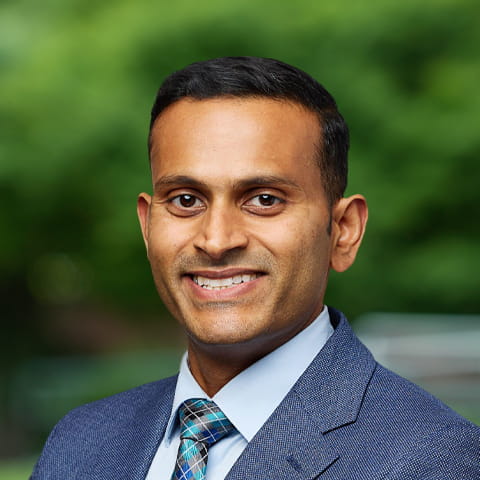
Dr. Rajat Goyal
Dr. Romick reached out to SWBMG electrophysiologist Dr. Rajat Goyal before formally referring McBride.
“What stood out right away was that Brad was in his 60s with a pacemaker – and we had to ask, why?” says Dr. Goyal. “When someone relatively young develops heart block and their heart function is dropping, you pause. You dig deeper.”
Advanced imaging followed. A cardiac MRI showed scarring. A PET scan revealed inflammation.
“That combination pointed to cardiac sarcoidosis,” Dr. Goyal explains. “It explained both the heart block and the weakening heart muscle.”
The diagnosis carried serious implications. Patients with cardiac sarcoidosis are at higher risk for dangerous rhythm disturbances, including cardiac arrest.
“We knew a simple pacemaker wasn’t enough,” Dr. Goyal says. “Brad needed a device that would both protect him from life-threatening rhythms and help his heart pump more efficiently.”
They recommended upgrading his pacemaker to a biventricular defibrillator – a device that coordinates the heart’s contractions while also providing life-saving shock therapy if needed.
A Clear Diagnosis – And A Plan To Protect His Future
The recommendation carried weight. For McBride, the words “higher risk” and “cardiac arrest” were sobering.
“I remember thinking, this just keeps getting bigger,” he says. “But at the same time, I finally felt like we were getting real answers.”
And the answers didn’t stay in one office. They moved quickly across specialties.
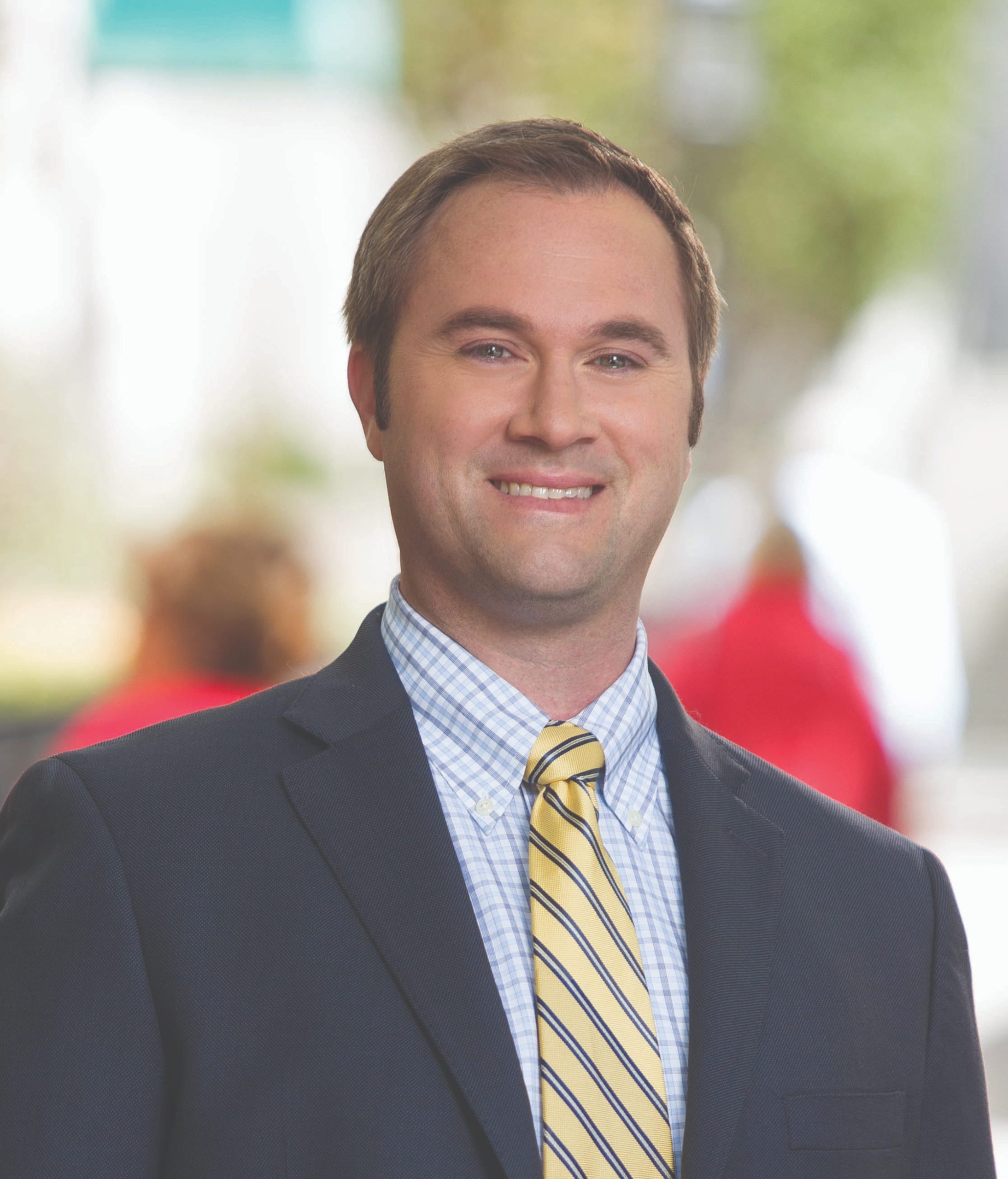
Dr. Jared Herr
Dr. Romick and Dr. Goyal reviewed the findings together and brought advanced heart failure cardiologist Dr. Jared Herr of Palo Alto Foundation Medical Group, into the discussion to ensure that therapy for McBride’s sarcoidosis did not stop with the implantation of the defibrillator. Dr. Herr started McBride on the appropriate medical therapy to ensure that his disease stabilized for the long term.
“By the time I met Brad, we understood that cardiac sarcoidosis was the root cause of both his heart block and his declining heart function,” Dr. Herr says. “That diagnosis changes the entire approach. This isn’t just a rhythm issue – it’s an inflammatory condition that can continue to damage the heart if not treated. Our focus was stabilizing the disease itself and protecting his heart for the long term.”
Cardiac sarcoidosis requires more than a single intervention. It demands a shared understanding of how inflammation, heart function, and rhythm risk intersect – and a plan that addresses each piece.
For McBride, that shared understanding and focus on him was apparent from the start.
Finding His Rhythm Again
The results were gradual at first, then undeniable.
McBride’s fatigue eased. His breathing improved. His confidence returned.
Today, he’s back on his spin bike. He’s walking the golf course again. He’s planning trips. He’s thinking about the future and focusing on what matters most: his health and his family.
Looking back, he laughs about his earlier concern over the drive.
“An hour each way once a month is nothing,” McBride says. “Compared to the peace of mind I have now? It’s nothing. I know I’m getting the best care — and that makes all the difference.”
For McBride, the journey wasn’t just about a device upgrade. It was about clarity replacing confusion. Partnership replacing uncertainty. And a team of physicians willing to ask deeper questions when something didn’t add up.
Most of all, it was about getting back to the life he loves – with a steady rhythm and the confidence to keep moving forward.
For more information about heart and vascular services at Sutter Health, visit here.