
By Marycon Young, Vitals contributor
When Maryann Campbell lost her job during the pandemic, she also lost access to her diabetes medication. Her new employer’s insurance didn’t cover her prescriptions. She went without the treatment she needed for nearly two years.
“I was trying to manage on my own, but it was overwhelming,” said Campbell, 59, who lives in Pacifica, a coastal city about 20 minutes southwest of San Francisco. “I couldn’t afford the medication I had been on, and I didn’t know where to turn.”
Her situation reflects a broader challenge. According to the Centers for Disease Control and Prevention, 38.4 million people in the United States, or nearly 12% of the population, are living with diabetes. Approximately 8.7 million of them also don’t even know it. For many, access to care and cost of medications are significant barriers to managing the condition.
That began to change when Campbell was connected to Sutter Health’s Virtual Pharmacy Ambulatory Care Clinic, otherwise known as VPACC.
Pilot Program Shows Early Promise at Lowering A1C Levels
VPACC is an established virtual care program supporting patients with heart failure. A peer-reviewed study confirmed the model improved medication use, blood pressure control and hospital readmission rates. Its diabetes offering is currently being piloted at select sites, including at Palo Alto Medical Foundation, where Campbell receives care. Early results show strong potential.
Preliminary data collected from the family medicine clinic where Campbell receives care showed that patients participating in the VPACC program experienced notable impacts to their A1C levels — a key indicator of long-term blood sugar control.
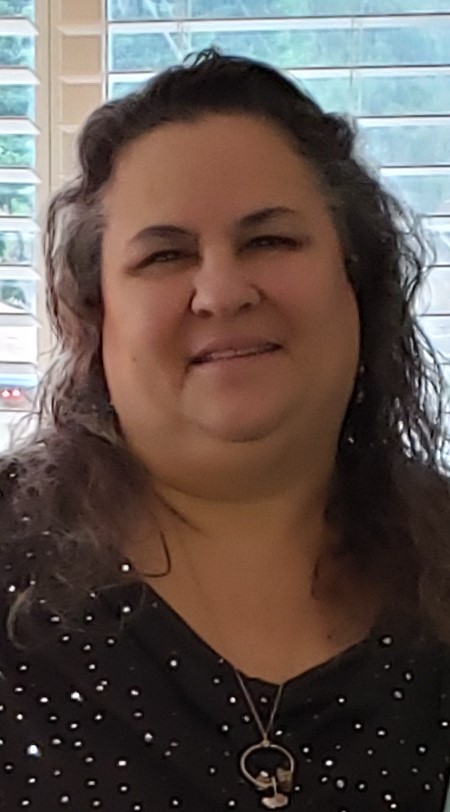
Maryann Campbell
- A 5.7% increase in those achieving A1C below 8%
- A 5.3% decrease in A1C levels above 9%
- More consistent annual A1C testing compared to peer groups
For most adults with diabetes, levels below 7% are considered well-managed. Higher levels are linked to greater risk of complications like stroke, kidney disease and vision loss.
Building on these early results, Sutter Health is expanding the VPACC diabetes program to reach more patients across Sutter, beginning at care sites in East Bay and growing to additional locations over time.
Virtual Approach Helps Care Program ‘Click’
Through VPACC, Maryann was introduced to her pharmacist Lucas Chang.
“Lucas had such patience and the right attitude,” she said. “He really listened, figured out the problem and helped me find a medication that my insurance would actually cover.”
Over the past year, Chang worked with Campbell virtually and in close coordination with her primary care physician. He helped her adjust medications, explore alternatives that were covered by her plan and develop healthier habits around diet and movement.
“He gave me ideas that were realistic—how to eat better, make good choices and incorporate more activity,” she said.
With this personalized approach, Campbell’s A1C dropped from 8 to 7.1, and she continues to improve.
Support That Fits Her Life
For Campbell, who has three children and five grandchildren, good health means being able to spend more time with her family.
“Having Lucas available virtually made such a difference,” she said. “You don’t always have time to wait for your next doctor’s appointment. He was there for me, consistently and never gave up.”
Today, Campbell feels more confident managing her diabetes and is on a path toward even better control of her condition.
“This program gave me the support I needed,” she said. “Lucas empowered me to take charge of my health. Now I can focus on living well — and being there for my kids and grandkids.”