
Catching Cancer Before It Starts: How One Grateful Patient Helped Launch a Pancreatic Program at CPMC
by Rachel Lee, Vitals contributor
Abdominal pain had followed Ronald Zien for most of his adult life.
Over several decades, the retired Oakland police officer survived more than a dozen abdominal obstructions and was hospitalized nearly 20 times, undergoing multiple surgeries along the way. Pain was familiar. Scar tissue was expected.
So when he arrived at Sutter’s CPMC with another ache in his lower abdomen, it seemed like more of the same.
But something about this episode didn’t sit right with his long-time surgeon, Dr. Kevin Hiler.
“He knew my history,” Zien said. “He just said, ‘Something doesn’t feel right. I want a PET scan.’”
That scan changed everything.
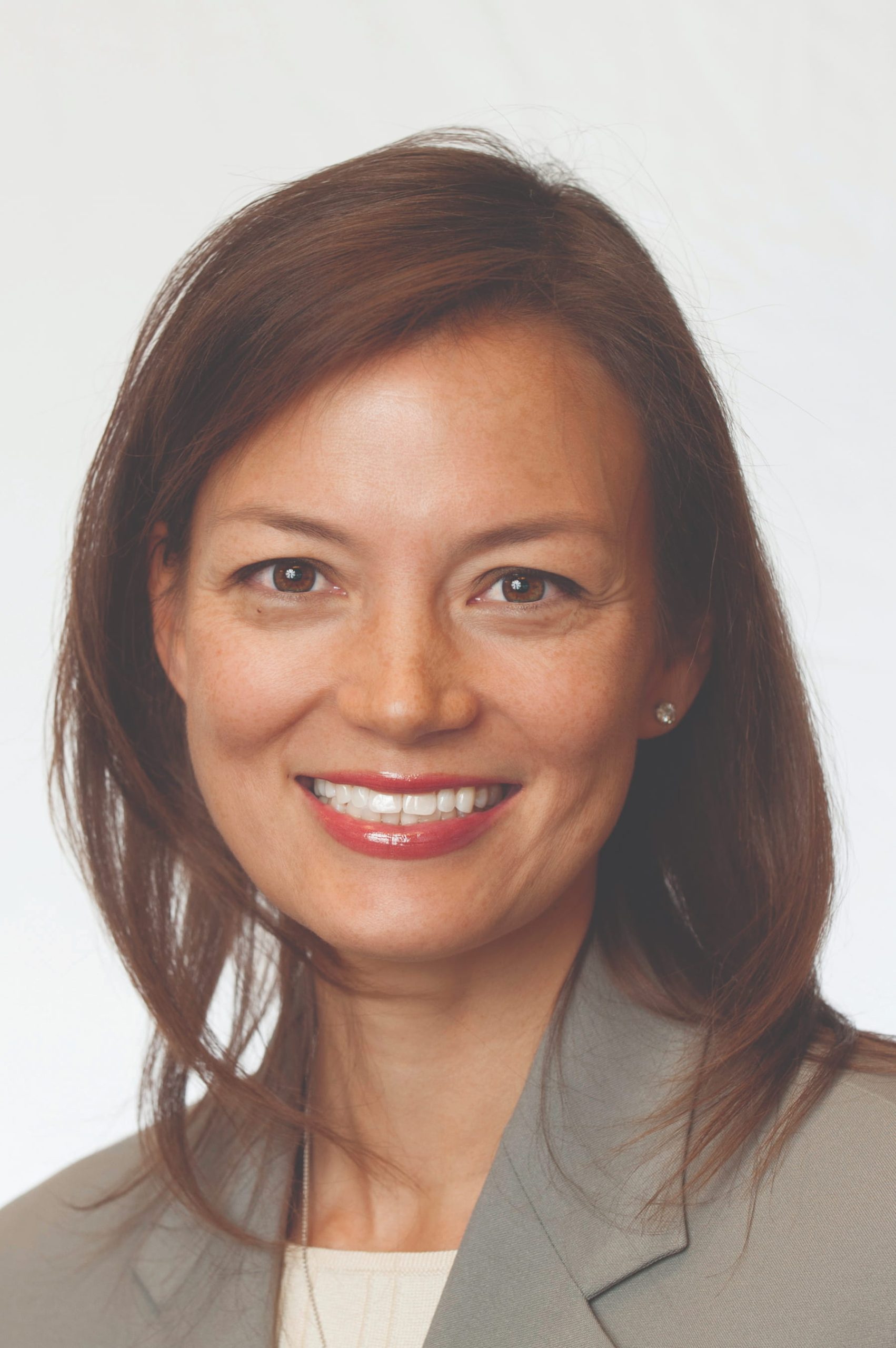
Dr. Kimberly Dalal is a surgical oncologist and board-certified general surgeon with Sutter’s Palo Alto Foundation Medical Group
Follow-up imaging revealed a suspicious spot on Zien’s pancreas. After a biopsy confirmed pancreatic cancer, he was referred to Dr. Kimberly Moore Dalal, a surgical oncologist who practices at both Mills-Peninsula Medical Center and CPMC.
Dr. Dalal met Zien in December 2022.
“By the time I reviewed his scans and the biopsy, it was clear this was pancreatic cancer,” she said. “The good news was that it appeared resectable and had not yet spread.”
Within days, an operating room opened. On Dec. 10, Dr. Dalal performed a pancreatectomy, removing the tumor and surrounding lymph nodes. The margins were clear.
“Pancreatic cancer is often found late, when it has already spread or wrapped around major blood vessels,” she said. “Ronald’s cancer was found early enough that we could remove it completely.”
Nearly three years later, Zien remains cancer-free.
A Relationship That Continues After Surgery
Pancreatic cancer treatment often includes surgery followed by chemotherapy. After recovering from surgery, Zien met with a gastrointestinal medical oncologist to discuss next steps.
“He very respectfully declined chemotherapy,” Dr. Dalal said. “He understood the recommendation but decided against it. My role was to make sure he had all the information he needed and continue caring for him.”
Zien now sees Dr. Dalal every three months for follow-up imaging and lab work.
“Where I trained, surgical oncology patients are your patients for life,” she said. “Pancreatic cancer is not a one-and-done surgery. You continue monitoring patients and supporting them over time.”
A Growing Need For Pancreatic Surveillance
As Zien continued his follow-up visits, Dr. Dalal was thinking about a broader challenge: how to care for people at high risk for pancreatic cancer long before symptoms appear.
At CPMC, she was already seeing many patients with pancreatic cysts and other high-risk findings. Unlike cysts in other organs, some pancreatic cysts can evolve into cancer.
She also sees patients with genetic mutations such as BRCA, strong family histories of pancreatic cancer or small tumors that require careful monitoring.
“These patients need a home,” she said. “They may not need surgery today, but they need structured surveillance and expert guidance.”
Drawing on her experience building multidisciplinary tumor boards at Mills-Peninsula and CPMC, Dr. Dalal began developing a Pancreatic Surveillance and Survivorship Program to monitor high-risk patients and follow pancreatic cancer survivors over the long term.
With support from Dr. Robert Osorio, chair of transplantation at CPMC, she assembled a multidisciplinary team including genetic counselors, nurse navigators, interventional gastroenterologists and oncologists.
“He immediately understood that we needed to bridge the gap between surgery, risk monitoring and survivorship,” she said.
Philanthropy Helps Turn Vision Into Reality
The final piece came from Zien himself.
During one of his follow-up visits, he told Dr. Dalal he regularly donates to organizations and wanted to help others facing pancreatic cancer.
“So I asked if he would like to learn more about what we are building at CPMC,” she said. “He told me, ‘Doc, I will support anything you do.’”
She connected him with CPMC philanthropy partner Jordan Brozell to discuss how philanthropy could help expand pancreatic care.
With Zien’s support, CPMC launched its Pancreatic Surveillance and Survivorship Program, including the hiring of a dedicated physician assistant to help run a specialized clinic for high-risk patients and cancer survivors.
Today, the clinic follows patients using international surveillance guidelines and advanced diagnostic testing to determine when surgery is needed and when careful monitoring is the safest option.
“The biggest victories are when we catch something before it becomes invasive cancer,” Dr. Dalal said. “Those are the saves we celebrate.”
The program is the first-of-its-kind at Sutter Health, with the potential to expand across the system in the future.
For Zien, the motivation is simple.
“I was lucky,” he said. “If we can help catch this earlier for someone else and give them more time, why wouldn’t we?”
To support the Pancreatic Surveillance and Research Program, please contact Jordan Brozell, Director of Philanthropy, Transplant and Cardiology at CPMC Foundation. Jordan.Brozell@sutterhealth.org.