Women who are at high risk for breast cancer can now access a smart GPS-style program that switches on right after their mammograms.
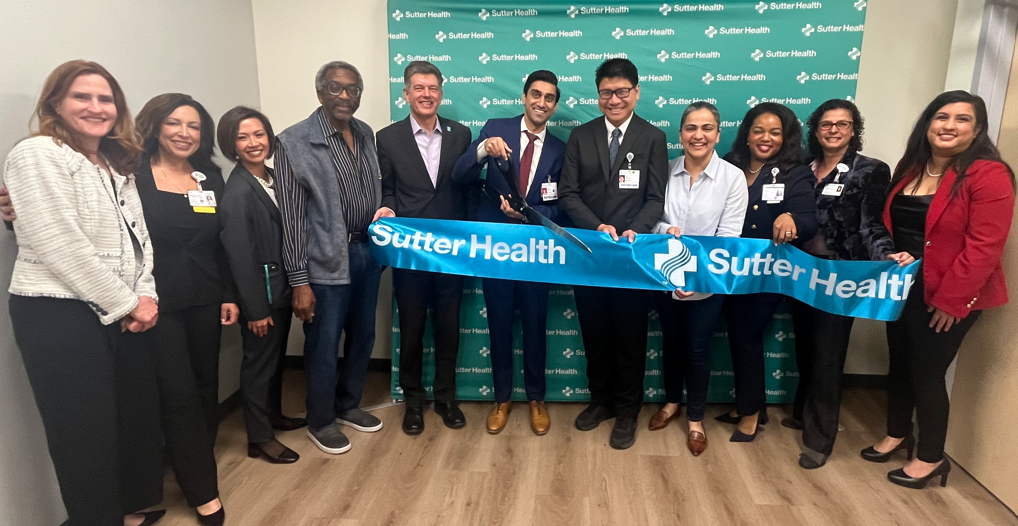
Not-for-profit Sutter Health is taking a bold step with this innovation by piloting through its Advanced Cancer Service Line the system’s first automatic High-Risk Breast Cancer Screening Program at California Pacific Medical Center in San Francisco. The new approach, which leverages video visits, aims to quickly identify, clearly inform and guide with personalized support patients at increased risk to the next steps in breast cancer care.
Women whose lifetime risk of breast cancer is 20% or higher are considered “elevated risk.” For many of those women, including those with dense breasts or who have a family history of the disease, the illness may go undetected until symptoms appear. Because lifetime risk can change, regular screenings are crucial for timely diagnosis and effective treatment.
“This pilot program is designed to improve timely identification and referral so high-risk patients receive the specialized support they need,” said Dr. Amanda Wheeler, cancer surgeon and chair of Sutter’s Advanced Cancer Service Line. “When women at increased risk are diagnosed early, their chances of survival rise dramatically — a powerful reminder that early detection saves lives.”
The High-Risk Breast Cancer Screening Program at CPMC takes inspiration from and builds on the services offered at Sutter’s high-risk breast cancer programs at the Sutter East Bay Medical Foundation in Berkeley and the Ridley-Tree Cancer Center in Santa Barbara.
Building Blocks for the Future of Breast Cancer Prevention
As part of the program, individuals identified as high risk are automatically connected to care teams and services in primary care, radiology, obstetrics and gynecology, genetics and cancer care with clarity and confidence.
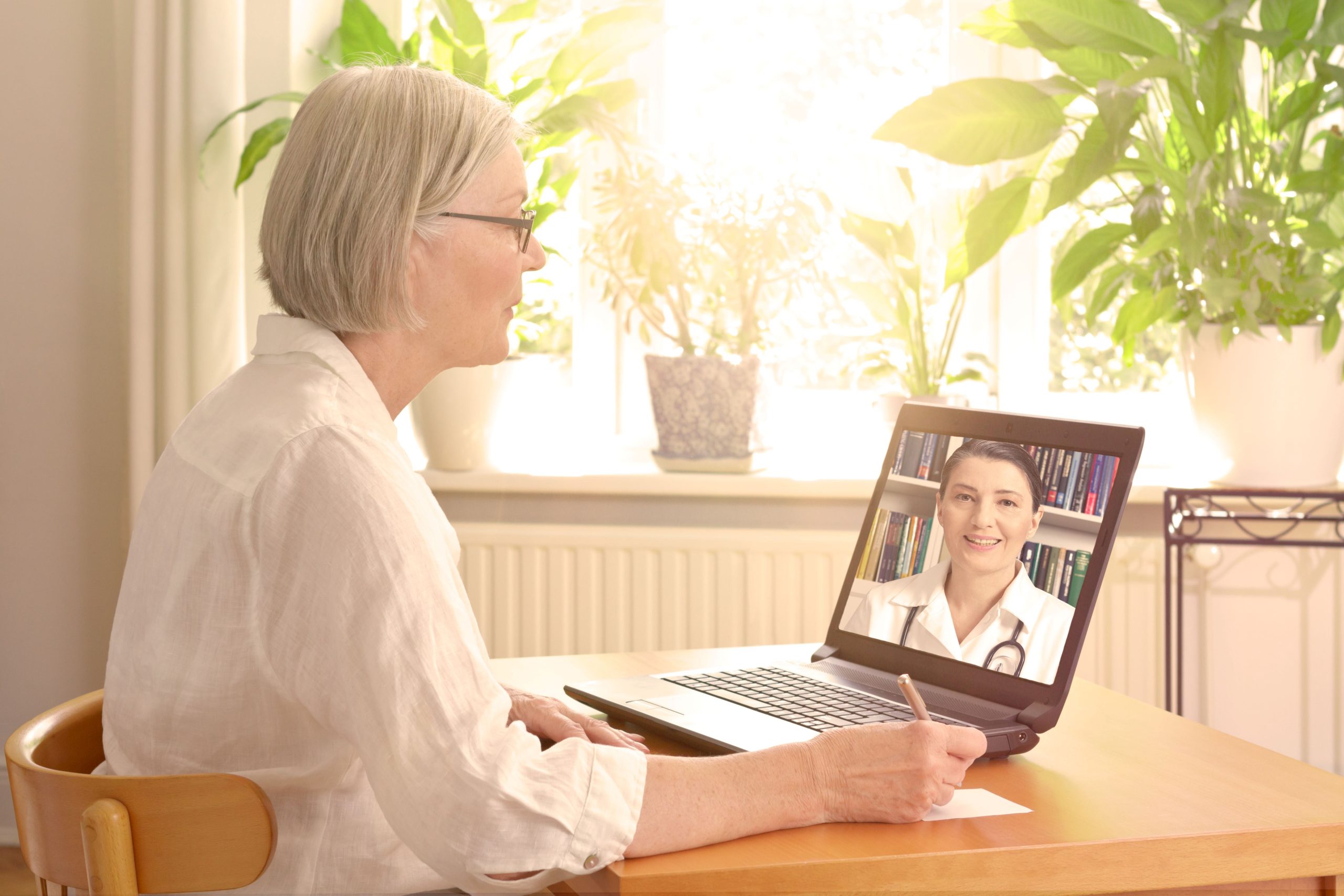
“What makes this program unique is how seamlessly it fits into a patient’s care. By integrating risk assessment and navigation during a mammogram, we aim to reduce delays in detection and help patients take proactive steps earlier. And with virtual follow‑up counseling, more patients can seamlessly access timely guidance from home — without extra appointments or travel,” said Dr. Wheeler.
How it Works
- Proven diagnostic tools combine a patient’s answers to a brief survey and screening results, to evaluate risk.
- If a patient is identified as high risk, they are automatically connected with a nurse navigator who explains their results and schedules the next stop — like a breast MRI, genetic counseling or a visit with a specialist — so patients don’t have to navigate their care alone.
- Behind the scenes, a nurse navigator and advanced practice clinician coordinate these steps, turning what were multiple hand‑offs into one clear path — from screening to support that the patient easily can follow from home.
A Simpler Path from Screening to Support
Initially, 250 patients will be enrolled to the program. Launching the pilot will strengthen a model rooted in clinical excellence, evidence-based practice and digital innovation, helping shape its expansion across the Sutter system by 2028.
In 2025, Sutter conducted more than 360,000 screening mammograms systemwide, identifying approximately 30,000 patients as high risk. This consistent monthly volume provides a strong foundation for a program designed to meet patients where they already are and build on the benefits of routine breast cancer screening.
“When patients hear they’re ‘high risk,’ it can be overwhelming, so our job is to help ease their concern and explain exactly what their results mean,” said nurse supervisor Jodi Bobbitt, who manages the new program. “By walking them through the next steps right after their mammogram, we help turn confusion and anxiety into understanding and a clear path forward.”
If you or a loved one need more information about Sutter’s breast cancer services, visit: https://www.sutterhealth.org/services/breast-cancer.