
By Marycon Young, Vitals contributor
Bill and Elizabeth Weagle have been inside more emergency rooms than they care to admit. And with each visit, the transition from hospital to home became harder…for both of them.
Elizabeth, 79, is non-verbal due to a prior stroke and lives with chronic obstructive pulmonary disease, a condition that makes breathing increasingly difficult over time. Bill, 80, is her full-time caregiver. He manages her more than 20 medications, tracking symptoms and coordinating follow-up care. In addition to Elizabeth not feeling well, they both felt overwhelmed, especially when guidance from different parts of the health care system didn’t align.
Then the phone rang after the couple’s recent visit to Sutter Santa Rosa Regional Hospital. On the other end was pharmacist, Alayna Nguyen, from Sutter Health’s Virtual Pharmacy Transitions of Care team, offering a new option for care that could address the Weagles’ complex needs.
“That first call is about listening and understanding what’s really happening once a patient is home,” Nguyen said. “It’s often the moment when caregivers can finally pause and share what they’re worried about — and that helps us figure out where support is needed most.”
The conversation felt different right away.
“It was refreshing to deal with someone so empathetic,” Bill said. “Someone who was actually on the same page.”
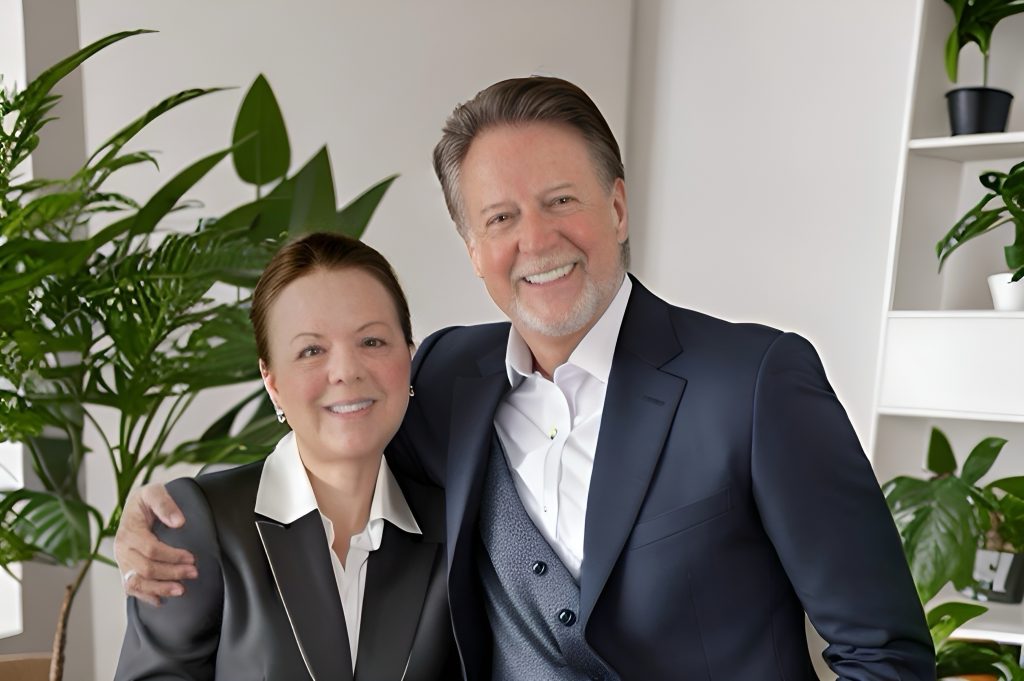
Elizabeth and Bill Weagle
Supporting Patients After Discharge
“The transition from hospital to home is one of the most vulnerable times for patients,” said Roma Bhandarkar, supervisor of Sutter’s Virtual Pharmacy Transitions of Care team. “Medication changes, follow-up appointments and care coordination can quickly become overwhelming, especially for patients with complex needs.”
The virtual pharmacy team includes both pharmacists and technicians who reach out to patients. They also connect with nurses, case managers, social workers and physicians to support these high-risk patients after discharge. The group’s responsibilities focus on inpatient care, discharge processes and post-discharge support. They provide medication reconciliation, facilitate access to medications and conduct follow-up calls after discharge. The calls cover education about medications and disease states, symptom management and coordination of further care — all aimed at supporting patient safety once they leave the hospital.
“Our work really begins once patients leave the hospital,” said Elizabeth Wittkop, a program pharmacist. “That’s often when gaps in care can show up.”
• 10 pharmacists • Three pharmacy technicians • Supports patients across the Bay Area • Expanding to support patients across the Greater Sacramento area • Broadening to include support of patients with high-risk conditions such as diabetes and pneumonia
Lifeline Activated
Over the next several weeks, the virtual pharmacy team continued to check in and review medications for the Weagles. During one follow-up, Bill shared that Elizabeth’s breathing had worsened and she was struggling to sleep.
The team explored newer long-acting COPD medications and verified insurance coverage. Care coordination was complicated by several factors, including providers outside the Sutter network and temporary restrictions on virtual visits for Medicare patients during a government shutdown.
“These are the moments when patients can easily fall through the cracks,” said Bedure Sibai, a pharmacy technician supporting the program. “Our role is to keep working until we find a solution.”
The team identified an exception that allowed a virtual visit for a bedridden stroke patient, coordinated urgently with physicians and resolved billing issues so the medication could be accessed quickly.
Within a day, the new medication was available.
Over time, Elizabeth’s treatment plan was simplified. Her breathing improved, she slept better and she did not require any further hospital admissions.
“It felt like everyone was working toward the same goal,” Bill said. “The follow-up, the coordination — you could tell they were invested in helping my wife get better.”
Staying Engaged for the Long Term
Bill says he never expected to be part of a program such as this one. He just wanted his wife to breathe easier.
He says he found a team that stayed engaged, helping navigate complexity and coordinating across systems. He took comfort in knowing others were still there after the hospital stay ended.
“Sometimes, that’s what makes all the difference,” Bill said.