

From coronary calcium scans to advanced imaging, Sutter is expanding what early detection can do
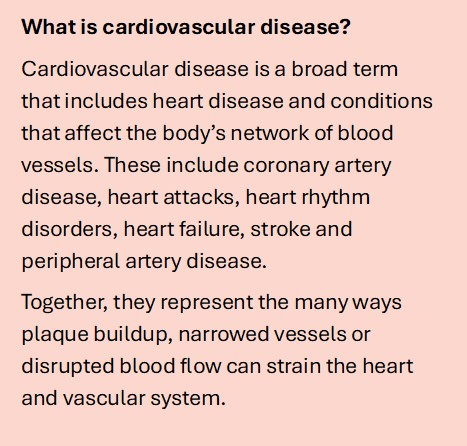
Cardiovascular disease remains the leading cause of death for men and women in the United States, claiming more than 680,000 lives in 2024. This statistic is a stark reminder of the urgent need for proactive prevention, earlier detection and leading-edge treatment of conditions such as coronary artery disease, heart rhythm disorders and heart failure.
As American Heart Month begins, we’re highlighting how Sutter Health’s Advanced Heart & Vascular Service Line is tackling the issue with a coordinated, future‑focused approach built on more than 100 years of innovation in this field of medicine.
 Prevention Powered by Access and Awareness
“Advancing heart and vascular care at Sutter has always centered on early identification and proactive disease management,” said Dr. Michael Pham, chair of Sutter’s Advanced Heart & Vascular Service Line. “As cardiovascular disease continues to take a profound toll, we remain focused on prevention and on ensuring seamless access to high‑quality care across our communities.”
Sutter’s large primary care network serves as a critical starting point for heart‑health screening, where care teams check blood pressure, cholesterol, blood sugar and weight all predictors of future risk.
Outside the doctor’s office, Sutter extends screening access directly into the community and workplace. Employee and community events throughout the year, such as the San Francisco Pride Festival and health fairs, provide convenient opportunities for people to learn their numbers, receive basic assessments and connect with follow‑up care.
“These efforts are especially critical for women, whose cardiovascular disease symptoms often differ from men’s and may include shortness of breath, nausea, fatigue, dizziness, or back and jaw pain rather than the classic chest discomfort,” said Dr. Kaartiga Sivanesan, a Palo Alto Foundation Medical Group physician who specializes in cardiovascular disease and directs the Women’s Heart Health & Prevention Clinic in Palo Alto and San Carlos. “These differences can delay diagnosis, making early screening even more critical, especially as women experience unique cardiovascular risk factors throughout their lives that are important to identify.”
Early Detection for Healthier Hearts
One of the most promising areas in heart care is early detection of coronary artery calcification (CAC), a powerful predictor of future heart attack risk. CAC occurs when calcium accumulates in the artery walls that supply blood to the heart and can be detected by a brief, non-invasive CT scan, and involves only a small amount of radiation.
“Coronary artery calcification is one of the earliest clues that plaque has been building in the heart’s arteries, often long before symptoms appear,” said Dr. Pham. “When we spot it early, it gives us the opportunity to step in sooner, manage risk factors more effectively and help prevent future heart problems.” Dr. Pham says Sutter will begin offering patients coronary artery calcium scans later this year as part of its continued investment in preventive cardiovascular care.
In addition to testing for CAC, Sutter is strengthening earlier detection of heart and vascular diseases through:
- Advanced heart imaging – including cardiac positive emission tomography (PET) imaging and cardiac MRI – that can detect disease earlier and with greater precision. Through a strategic, multiyear collaboration with GE HealthCare, Sutter is transforming diagnostic imaging with advanced hardware, intelligent software and image‑guided therapies – elevating precision, efficiency and early detection across heart and vascular care.
- HeartFlow® FFRCT Analysis, a noninvasive way to assess blood flow in the coronary arteries. Using data from a CT scan of the heart’s arteries, advanced computer modeling creates a detailed 3-D picture of the arteries and stimulates blood flow through them – like a virtual stress test done on a computer.
- AI‑enabled assessments that assist clinicians in identifying abnormalities.
Next-Gen Therapies and Research
Beyond prevention, Sutter is expanding access to comprehensive heart care programs with these highly specialized heart care services and more:
- An adult congenital heart disease program and clinic.
- Heart valve disease programs with the next generation of devices, including those used for transcatheter aortic valve replacement (TAVR), transcatheter tricuspid valve replacement (TTVR), and transcatheter mitral valve replacement (TMVR).
- Cardiac arrhythmia services, including left atrial appendage closure and ablation of atrial fibrillation using modern techniques like pulse field ablation.
- Robotic cardiac surgery.
- Pediatric heart and vascular services, including heart surgery.
- Transplants and cardiac assist devices.
Sutter is also advancing the next generation of heart and vascular care through research by:
- Leading and participating in national and international clinical trials testing innovative heart valve replacement technologies.
- Studying novel approaches to treat atrial fibrillation, to improve safety and long‑term heart rhythm control.
- Driving innovation through new tools and evidence‑based practices that improve the speed and accuracy of diagnostic technologies.
- Developing real‑world risk‑prediction tools that help tailor cardiovascular services, improving precision and patient-centered care.
The Heart of the Matter
In honor of American Heart Month, take a moment to prioritize your well‑being. Schedule a heart screening with your primary care physician and make time to “know your numbers”—blood pressure, cholesterol, blood sugar and weight. Early awareness is one of the most effective ways to take control of your health and reduce your risk of heart and vascular disease.
Take the next step for yourself or someone you love. Learn more about Sutter’s Heart & Vascular Services: https://www.sutterhealth.org/services/heart-vascular.