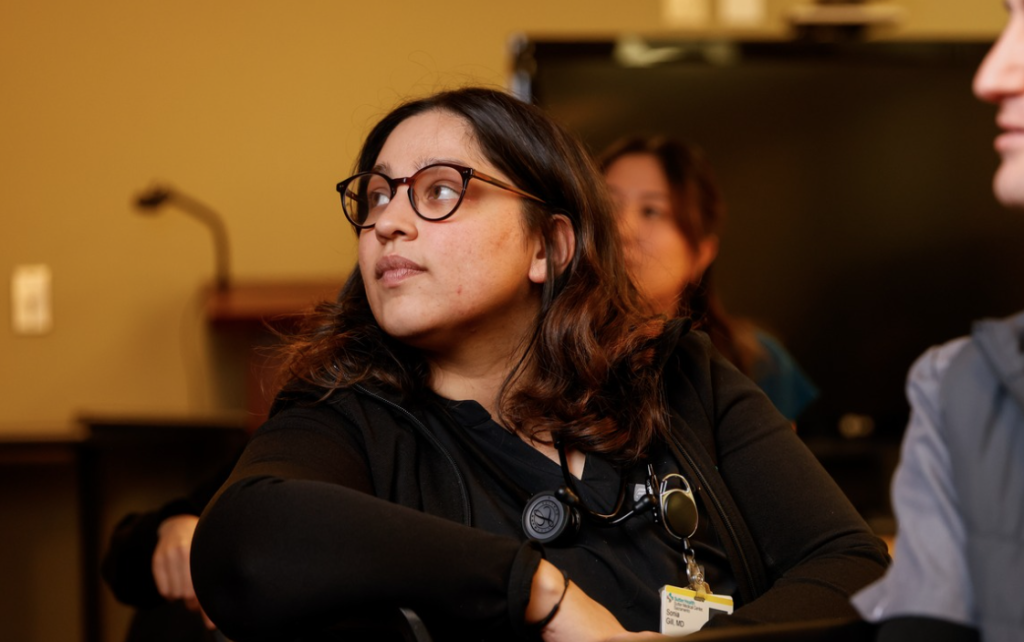
Stepping into an emergency department for the first time can feel overwhelming — fast-paced and full of unknowns. Sutter Health’s Emergency Department Transition in Practice program was designed to ease the transition. For the past decade, it has provided new emergency nurses with a safe, structured environment to learn, practice and grow away from the bedside and without risk to patients.
Launched in 2016, the program, which is known as ED TnP, celebrates a major milestone: 10 years, 40 cohorts and more than 700 nurses trained across Sutter’s 21 emergency departments. This structured program pairs real-world practice with evidence-based education to build confidence and clinical expertise.
A Hands-On Path to Confidence
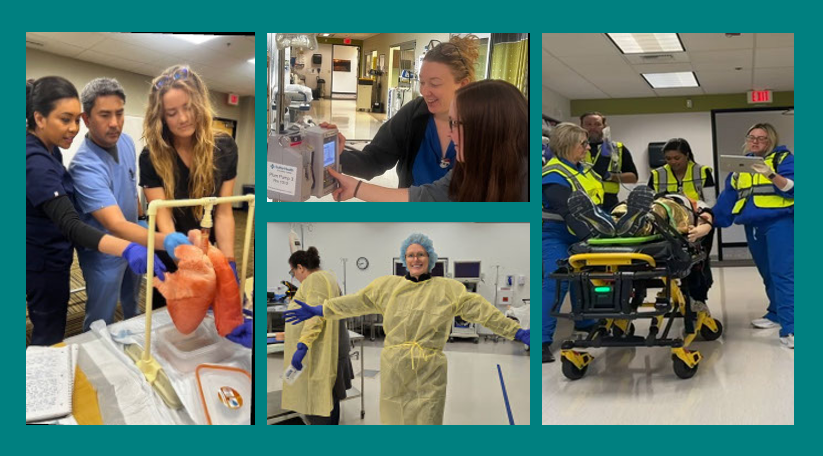
The program, offered for all new emergency department nurses at Sutter, serves as a specialized onboarding for emergency department nurses. Once hired, emergency department nurses spend the first few months in their home emergency department alongside a preceptor. Next, they attend two intensive weeks at Sutter Health University, where each day focuses on a critical area, such as neuro, cardiac or respiratory care. Nurses then take what they learn back to their home emergency department, applying new skills in a real-world setting.

Annie Gullick, R.N.
Registered nurse Annie Gullick, clinical nurse educator and lead of the program, explains that through a scaffolded approach, nurses build clinical reasoning, practice hands-on skills and apply their knowledge in high-fidelity simulations. Reflection and feedback during debrief sessions help solidify learning and boost confidence.
“Our approach is grounded in adult learning principles,” says Gullick. “We capture nurses at a pivotal moment—when they’re eager to learn and define their professional identity.”
Beyond clinical skills, the program emphasizes Sutter’s mission and values, patient-centered care and strategies for resilience and compassion fatigue. The cohort model fosters peer support and lasting connections, helping nurses gain not only competence but confidence and professionalism.
Reducing Burnout, Supporting Retention
Emergency nursing is demanding and burnout in the first year is a real risk. Gullick says ED TnP helps address this challenge by giving new nurses a safe place to learn and feel supported.
“You don’t really learn how to work in an emergency department in nursing school,” Gullick explains. “There are many specialized clinical skills you need to master and you’re taking care of a wide range of patients, from young children to seniors. The stakes are high and the transition can be overwhelming.”
Gullick adds the typical longevity of a nurse in the emergency department is only one to three years. “Our goal is to provide the foundation they need for a longer, more sustainable career in emergency nursing,” she says.
Firsthand Perspectives

Genevieve Beck, R.N.
Registered nurse Genevieve Beck, a CPMC emergency nurse who recently completed the 40th cohort, says the program offered something invaluable: the chance to practice critical skills in a safe, supportive setting before applying them in real emergencies.
“The ED TnP program has completely strengthened my confidence, not just in prioritizing tasks, but in mastering emergency-specific skills,” said Beck. “The Zoll defibrillator training was incredible and the simulation labs taught me to think on my feet and sharpen my assessments. Going through a code simulation and crash cart education prepared me for what a real code will be like. Now, I feel ready when it matters most.”
Registered nurse Carrie Guerra, Sutter Health University clinical nurse educator and co-lead of the program, began her journey at Sutter Roseville Medical Center’s emergency department as a participant in the second cohort of the ED TnP.

Carrie Guerra, R.N.
“The education and mentorship I received through the cohort strengthened my confidence and clinical competence,” Guerra says. “Today, it’s a privilege to help instill that same confidence in the next generation of emergency nurses.”
A Commitment to Professional Development
The Ed TnP program is one of six Transition in Practice programs offered through Sutter Health University, alongside Labor & Delivery, Postpartum, Perioperative, Critical Care, and Urgent Care. These programs — and many other courses, such as the Nurse Residency Program for new grads — reflect Sutter’s ongoing investment in a culture of learning, where nurses gain hands-on experience to build confidence and deliver safe, high-quality care for every patient.
Sutter Health Chief Nurse Officer Katrina Ascencio-Holmes, says Sutter is committed to creating a workplace where every nurse can reach their full potential while making a difference in patients’ lives.

Kat Ascencio-Holmes R.N.
“We want every nurse to feel supported, seen and inspired,” said Ascencio-Holmes. “Programs like ED TnP demonstrate our dedication to professional growth at every level, helping nurses build expertise and the confidence to achieve their personal and professional aspirations.”
Find more information about the Sutter Health career development programs here.