When Sharon Villareal cut her finger and the small wound refused to heal, she decided to visit the doctor.
“When he checked my blood sugar numbers they were over 300, well in the range of concern,” “I was 27 years old when I was first diagnosed with Type 2 diabetes.”
With a strong family history of the illness and years of fluctuating lab results, she eventually found herself on multiple medications including GLP-1 medication and oral drugs. “Every time I went for labs, my numbers were higher,” she said. “I reached a point where I knew I needed to make a change.”
A New Approach to Food
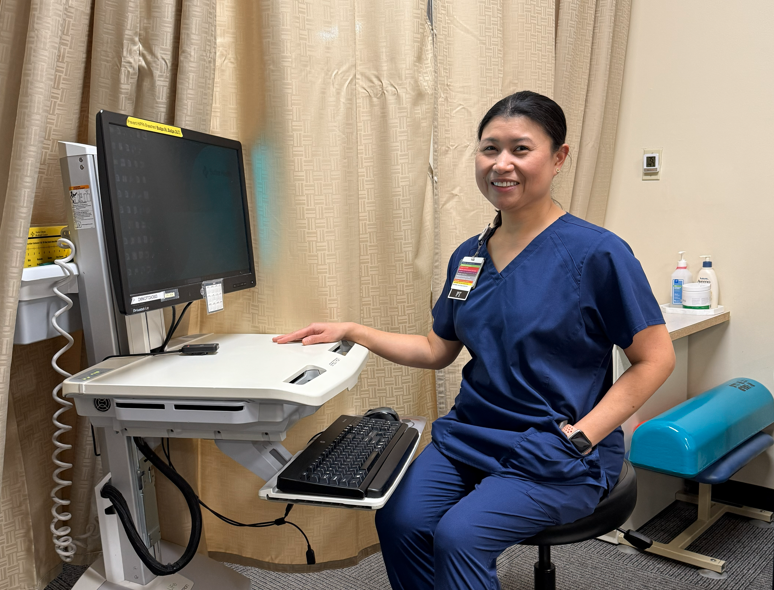
While on the job as a physical therapist at Sutter Delta Medical Center in Antioch, Villareal spotted an announcement about a new study for a metabolic wellness program using a continuous glucose monitoring device, or CGMs.
“I was immediately curious and decided to enroll,” she said. “I had seen my patients wearing CGMs for years and had always wondered what my own numbers looked like.”

Sharon Villareal’s diabetes management has given her more energy to pursue passions like singing.
Wearing a CGM device offered Villareal a new perspective on her eating habits. A fan of savory food, she assumed her favorite snacks were not the culprit impacting her blood sugar.
“I have never had a sweet tooth,” Villareal explained. “I was floored when the CGM showed that chips were actually making my blood sugar spike more than a dessert.”
The device also helped her understand how often her blood sugar rose after eating white rice, a long-standing staple of her Filipino culture. “I grew up eating rice three times a day,” she said. “With the CGM, I saw my numbers climb every time I ate it.” Over time, she began swapping white rice for quinoa, barley and other grains with lower glycemic indices. “I thought I’d miss rice terribly, but I don’t. Seeing the data helped me let go.”
As she continued using the device, Villareal said, “Every meal became a chance to check how food affected my blood sugar.” The real-time feedback helped her recognize patterns to inform food choices.
Progress Driven by Data
Villareal soon noticed changes in how she felt day to day. “Number one is energy,” she said. “I feel energized even at the end of the day.”
She also noted her clothing sizes reduced, and she felt more confident navigating meals. “Every good choice feels like a little victory,” she said. “I now have a level of self-control I never had before.”
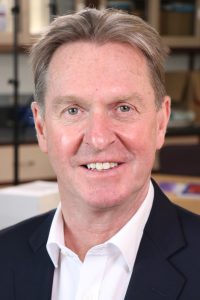
Dr. David Kerr, senior scientist in Sutter’s Center for Health Systems Research
Villareal’s experience aligns with findings from a 2025 systematic review and meta-analysis published in the Journal of Diabetes Science and Technology. The study found people with Type 2 diabetes who used a CGM device and received healthy eating or lifestyle tips had improved blood sugar control, spent more time in their target range and even lost weight.
“The growing evidence points to the value of pairing CGM technology with a personalized approach,” says Dr. David Kerr, a senior scientist at Sutter’s Center for Health Systems Research who co-authored the study. “CGM can serve as a powerful motivator: when people can see in real time how their own food choices affect their glucose levels, it has real and personal meaning and they’re far more likely to make beneficial changes.”
Outside of work, Villareal channels this renewed sense of energy into classical singing, a passion she continues to develop through lessons. “If I weren’t a physical therapist, I’d be a singer,” she explains. “The program was life-changing for me. Once you understand your body on this level, change can be possible.”
Learn more about research and enrolling in clinical trials at Sutter Health.