LAKEPORT, Calif. – Sutter Lakeside Hospital has achieved Primary Stroke Center certification from The Joint Commission. This nationally recognized distinction means the hospital can deliver rapid, high-quality stroke care 24 hours a day, seven days a week.
The Joint Commission’s certification program is developed in collaboration with the American Heart Association/American Stroke Association. It requires hospitals to meet rigorous standards and report performance on eight stroke core measures.
“This achievement reflects the hard work of our entire team,” says Kayla Gondolfi, Sutter Lakeside’s stroke program manager. “We’re committed to giving every stroke patient the best possible chance at recovery.”
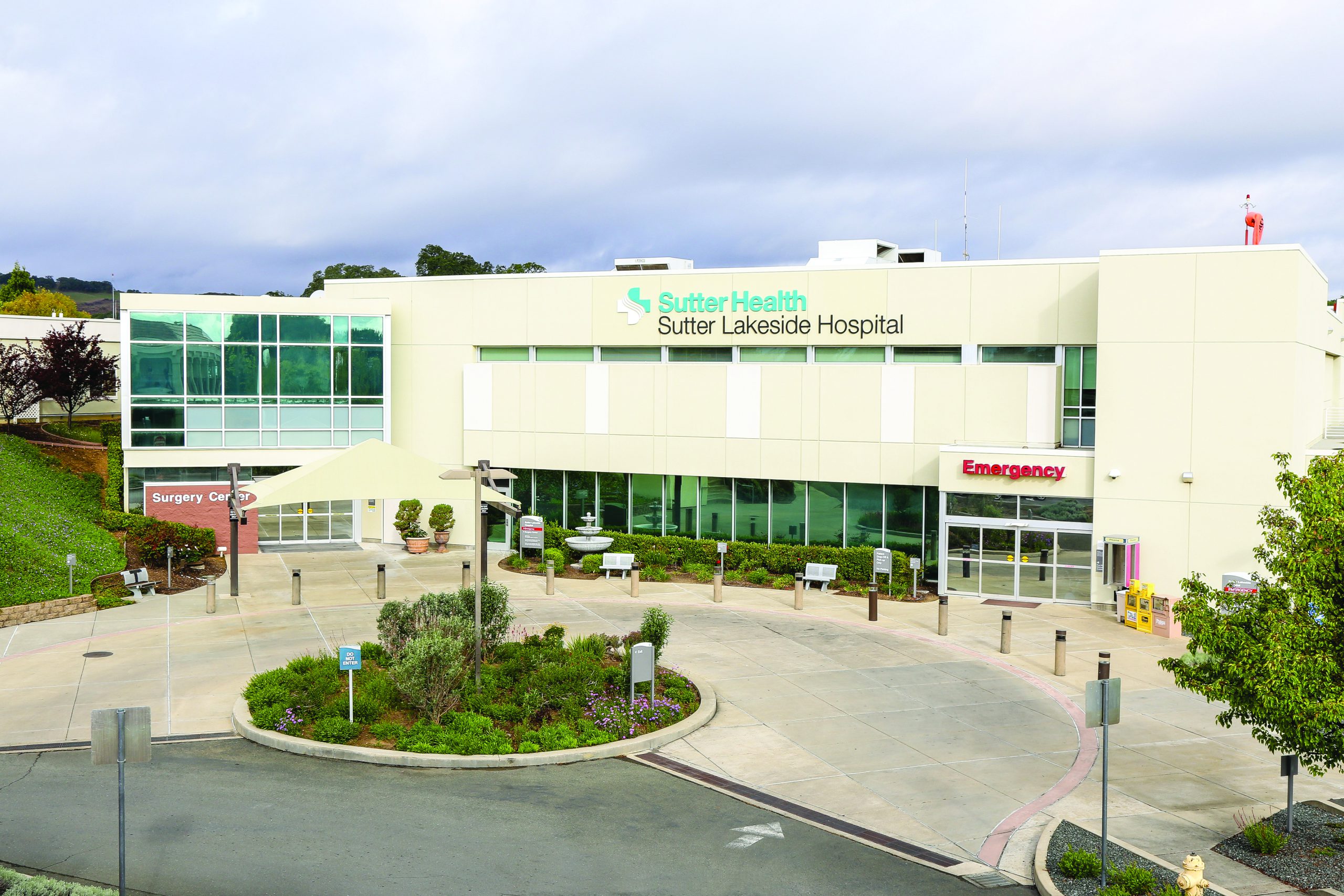
Sutter Lakeside Hospital in Lakeport, California
Advanced Care Close to Home
Sutter Lakeside’s new designation strengthens its commitment to keeping care local. Patients stay close to trusted doctors and support systems, which improves both individual and community well-being.
“As a rural hospital, we’re proud to bring the same level of expert stroke care found in larger cities to our local community,” says Tim Stephens, CEO of Sutter Lakeside. “When care is accessible and close by, our patients can concentrate on getting and staying well, which matters most.”
Stroke is a leading cause of death and long-term disability in the United States, and timely treatment plays a critical role in preserving brain function. At Sutter Lakeside, door-to-needle times – the interval from arrival to clot-busting treatment – consistently average under 45 minutes, ahead of national benchmarks. Faster treatment can mean better survival and recovery.
A key factor in the hospital’s ability to deliver rapid stroke care is Sutter Health’s 24/7 telestroke network. It connects patients and care teams instantly with board-certified neurologists via secure video, allowing for quick evaluation and swift treatment decisions.
“Stroke patients at Sutter Lakeside are in skilled hands from the moment they arrive through their entire care journey,” said Dr. Kevin Attenhofer, a Sutter telestroke neurologist.
Dr. Attenhofer, who is board certified in neurology and vascular neurology, adds that for certain types of ischemic strokes, giving a clot-busting drug as quickly as possible is the most critical step, and something Sutter Lakeside does exceptionally well.
Connected to a System of Excellence
As part of Sutter Health’s not-for-profit system, patients who need advanced stroke interventions, such as mechanical thrombectomy, benefit from seamless transfer to other Sutter facilities.
“Our goal is to deliver the most advanced and highest-quality stroke care across Sutter, while sharing best practices so every site benefits,” says Dr. Nobl Barazangi, a Sutter West Bay Medical Group neurologist and the system’s chief of stroke care.
Since implementing the enhanced protocols required for certification, Sutter Lakeside has reduced its stroke transfers and shortened treatment times, improvements directly tied to better health outcomes.
Recognitions in Stroke and Heart Care
Sutter Lakeside Hospital has earned several recent honors that reflect its commitment to excellence in stroke and heart care:
- Get With The Guidelines® – Stroke Silver Plus with Target: Stroke Honor Roll Elite Plus Achievement Award (2025) from the American Heart Association/American Stroke Association.
- Get With The Guidelines® – Rural Stroke Silver Achievement Award (2025) from the American Heart Association/American Stroke Association.
- Healthgrades Five-Star Rating for Treatment of Heart Failure (2025).
- CMS Overall Hospital Five-Star Rating (2024).
The hospital treats an average of 12 to 18 stroke patients per month.
Sutter Health offers advanced stroke care, including thrombectomy, a procedure to physically remove blood clots, at many of its hospitals, with some facilities like Sutter Medical Center, Sacramento and Sutter’s CPMC designated as Comprehensive or Thrombectomy-Capable Stroke Centers, leveraging technology like AI Imaging and Telestroke services for rapid treatment, saving brain tissue and improving outcomes for stroke patients across Northern California.