
Research shows brain health is influenced by everyday factors such as physical activity, mental health, sleep and social connection long before dementia symptoms appear – a reality shaping the new Brain Health Pathways program at Sutter Health’s Ray Dolby Brain Health Center.
The initiative, supported by philanthropic funding from the Sarlo Family Foundation, brings together neurology, psychology, neuropsychology and social work to help patients with cognitive concerns like memory loss or changes in attention and thinking.
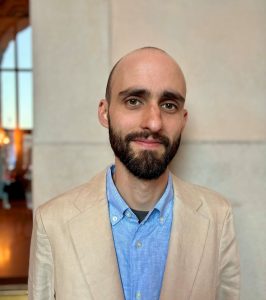
Psychologist Carter Davis
Led by Carter Davis, a geriatric health psychologist at Sutter’s CPMC, the program builds on nationally recognized brain wellness pillars established through the U.S. POINTER Study, including physical activity, nutrition, cognitive engagement, social connection and cardiovascular health.
In a recent conversation, Davis shared how that work informed Brain Health Pathways and what the program offers patients and families.
Q: Many people think dementia care begins only after symptoms are advanced. How does this program support people across different stages of cognitive health?
A: Brain health can be supported across the lifespan and levels of symptom severity, not only after a formal dementia diagnosis is made. Our program is designed for people with mild symptoms, including mild memory or thinking troubles, withdrawing from regular activities, or even sleep challenges. It also supports individuals who want to be proactive in taking charge of their brain health, addressing lifestyle factors and cognitive concerns before symptoms progress and interfere with daily life.
Q: Why pair psychology with neurology in brain care?
A: It’s really about meeting patients and caregivers where they are on their own brain health journey. At the Ray Dolby Brain Health Center, many different disciplines—neurology, psychology, neuropsychology, and social work collaborate. Medical recommendations matter, but many patients and families need more than information alone. For example, a neurologist may recommend more physical activity, but some patients first need support with motivation or managing anxiety about cognitive changes before implementing lifestyle changes. By pairing clinical care with psychological support, the team helps patients set meaningful brain health goals they are likely to sustain over time.
Q: Making lifestyle changes can be difficult. How does Brain Health Pathways help patients and families follow through?
A: Many patients and caregivers already know what they’re being told to do, but fear, stress, uncertainty or low motivation can make change feel overwhelming. Our program helps people work through those barriers by providing structure, support and psychological tools that build confidence over time. We are building a group-based program so that our patients can learn these skills while also receiving support and encouragement from others facing similar challenges. Ongoing follow‑up helps patients practice and sustain brain‑healthy habits like physical activity, high-quality sleep, and social connection, without feeling like they have to do it alone.
Q: What difference is this program meant to make for patients and caregivers in everyday life?
A: We want patients and caregivers to feel supported, informed, and less overwhelmed as they navigate changes in memory and thinking that can come with aging. By offering coordinated care, personalized guidance, and practical strategies, both individually and in groups, the program aims to help people stay engaged in their lives, and in some cases, potentially slow the progression of memory loss or cognitive decline.
If you or a loved one are interested in this program and other services for cognitive concerns, ask your primary care physician for a referral to Sutter’s Ray Dolby Brain Health Center.