Sutter Health aims extend the continuum care for vulnerable Alameda County residents through its support of Arnold’s Place, a medical respite center situated on a wellness campus linked to permanent supportive housing, designed for people experiencing homelessness. Developed by Alameda Point Collaborative in partnership with LifeLong Medical Care, and supported by an investment from Sutter Health, the 50-bed facility addresses a critical gap in the region’s health care system: where patients recover after leaving the hospital.
The center marked a new chapter in community-based care in Alameda County with a ribbon-cutting ceremony on April 30, celebrating years of planning, collaboration and persistence. Arnold’s Place provides a safe, stable environment for unhoused people recovering from hospitalization or serious illness, who might otherwise be discharged to the streets without the resources needed to fully recover.
That gap has long challenged both patients and health care providers. Without a place to recuperate, people experiencing homelessness face higher risks of complications, readmissions and prolonged illness. Arnold’s Place responds by offering integrated services that combine medical oversight with supportive care, creating a pathway to recovery and longer-term stability.
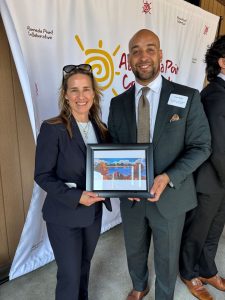 “Patient care is our highest priority, and we recognize that it extends beyond the walls of the hospital,” said Trevor Brand, CEO of Sutter’s Alta Bates Summit Medical Center. “Too often, patients experiencing homelessness lack a stable environment and supportive services needed to recover from a hospitalization. Arnold’s Place extends the continuum of health care in our community by filling a gap in the system, improving patient outcomes, reducing preventable complications, and strengthening the communities we serve through partnership.”
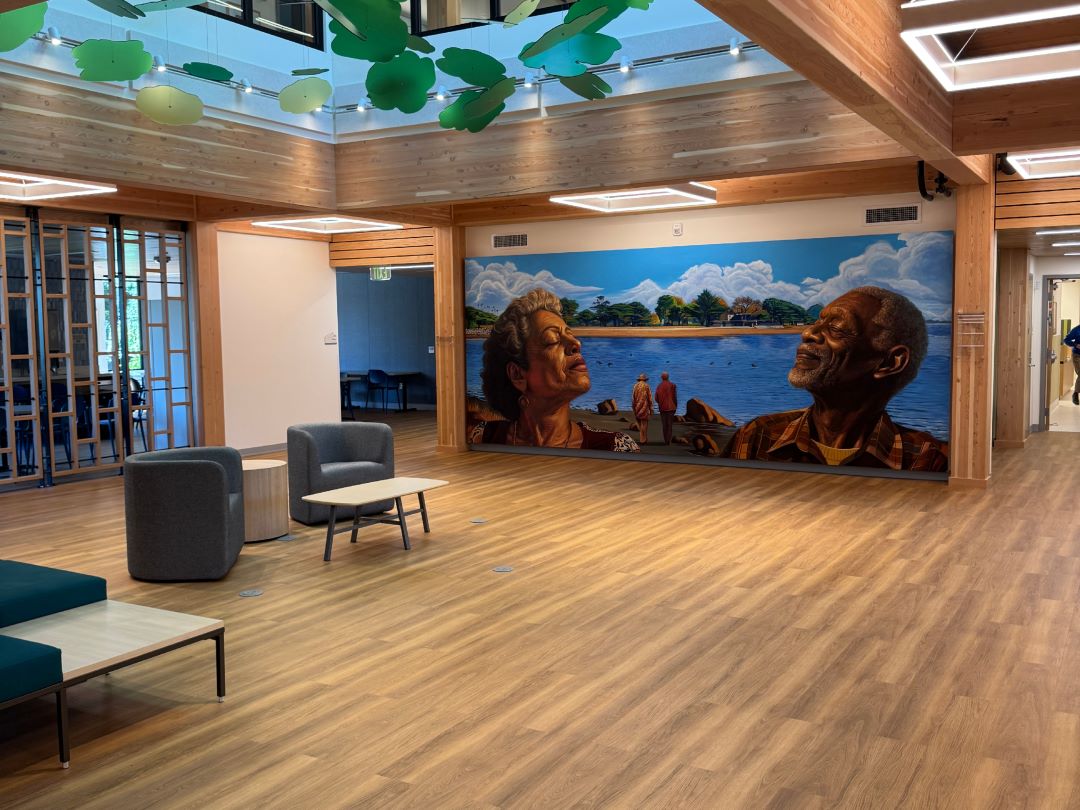
Arnold’s Place takes a holistic approach to healing. The facility is trauma-informed by design and integrates clinical care with housing support, reflecting that recovery is medical, social and environmental. The building was designed to promote dignity and well-being, with natural light, sustainable materials and a layout intended to feel comfortable rather than institutional. The 50-bed medical respite center will serve an estimated 400 unhoused county residents each year, ensuring a safe place to health after a hospitalization.
The model reflects a growing recognition across Northern California that improving health outcomes requires meeting patients where they are, medically and socially. For Alameda Point Collaborative, the project is both a milestone and a model for the future. Upon full completion, the Wellness Campus will serve an estimated 700 Alameda County residents, including 100 beds of supportive housing, access to onsite medical and behavioral health behavioral health clinic, and palliative care services.
“Arnold’s Place is the result of a bold vision and a deep understanding that recovery doesn’t happen in isolation. It requires stability, care and dignity,” said Andrea Urton, executive director of Alameda Point Collaborative. “This center will ensure that our unhoused neighbors have a place to heal after hospitalization, breaking cycles of discharge back to the street and setting a new standard for compassionate, effective care.”
For Sutter Health, the investment aligns with its broader priority to expand access to care in the community, addressing a key health need identified in the 2025 Community Health Needs Assessment. As a not-for-profit, Sutter Health invests in projects and programs that improve community health by expanding access to care, addressing mental health and substance use challenges, and improving economic opportunity through workforce development projects.
The completion of Arnold’s Place underscores what is possible through sustained partnership and shared commitment. The Wellness Campus brings together support from a range of partners, including state funding, Alameda County funding, as well as additional support from California Endowment, California Health Care Foundation, Sutter Health, and more.
The center stands as both a physical space for recovery and a symbol of a more coordinated, humane approach to health care that brings care closer to home and helps ensure vulnerable residents have the support they need to heal.