By Jenn Lonzer, Vitals contributor
When neuro-oncologist Dr. Akanksha Sharma first met Dr. Ronnie Mimran he was already deeply familiar with medicine.
Too familiar, perhaps.
Dr. Mimran spent years teaching neurosurgery, most recently as part of Sutter West Bay Medical Group (SWBMG). So, when he saw his scans after a seizure, he understood his diagnosis immediately – glioblastoma.
“I knew exactly what was going to happen,” he says.
But knowing the science of dying and living through it turned out to be very different experiences.
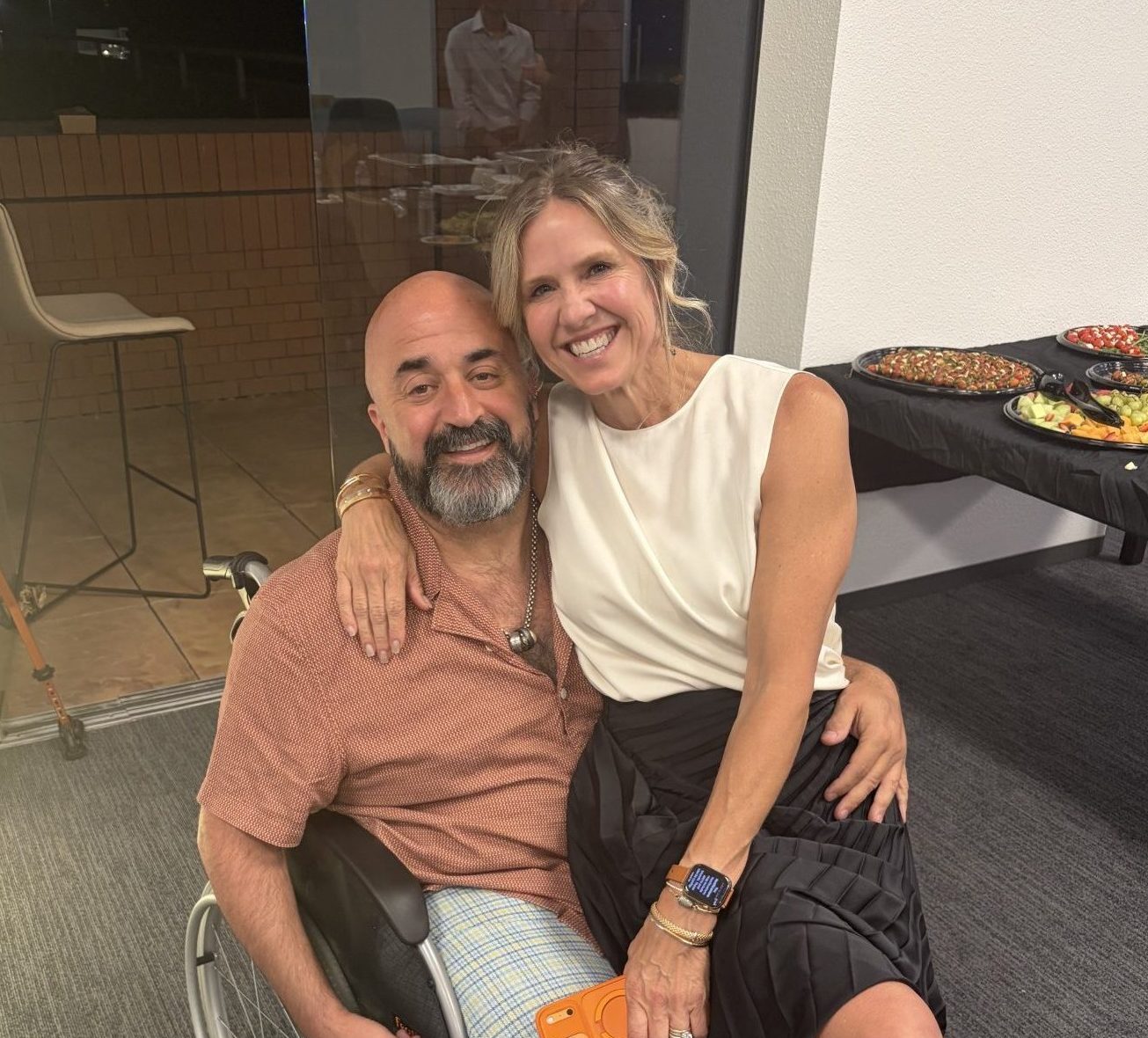
“There’s the tumor itself,” says his wife, Shannon Thomas, chief executive officer at Sutter’s Eden Medical Center in Castro Valley. “And then there’s the psychology of illness. Losing speech. Losing mobility. Losing independence. You can’t prepare for what those things do mentally.”
Over time, the family’s world became increasingly shaped by appointments, scans, medications, side effects, and uncertainty. Thomas watched Dr. Mimran’s anxiety build before every MRI.
On His Own Terms
Eventually, Dr. Mimran made the decision to stop treatment and focus instead on symptom management and quality of life.
“It wasn’t a hard decision,” he says.
What surprised everyone – including his doctors – was what happened afterward.
“There was this immediate sense of peace,” Thomas says. “It felt like we could finally enjoy the time we still had.”
Dr. Sharma says the focus of care changed completely.
“Our attention was always on more than the disease – it was on the person living with the disease. But the decision to stop following the disease on imaging and stop treatment was freeing for Ronnie and Shannon – it was freeing for us all. It took away the control the glioblastoma had,” she explains. “Now we focus entirely on Ronnie’s goals, his comfort, his family, his values, and making sure he feels emotionally prepared for the changes ahead.”
The peace Dr. Mimran describes did not happen in isolation. It was supported by a care team that helped remove many of the practical and emotional burdens that serious illness can place on patients and families.
Dr. Mimran had previously received treatment at multiple academic medical centers before transitioning fully to Sutter Health. Coordinating care across different organizations often left the family carrying the burden of connecting information between teams.
“You’re constantly explaining things over and over,” Thomas says. “Trying to navigate appointments and fragmented care while also being a caregiver was really hard.”
At Sutter, she says, the experience felt different.
“We don’t have to explain what’s going on from one doctor to the next,” she says. “The whole team has the same picture.”
She credits SWBMG’s Dr. Sharma not only with guiding Dr. Mimran’s medical care, but with supporting the entire family emotionally through an unpredictable disease.
“Dr. Sharma has just been amazing,” Thomas says. “A tremendous help to all of us.”
What Peace Feels Like
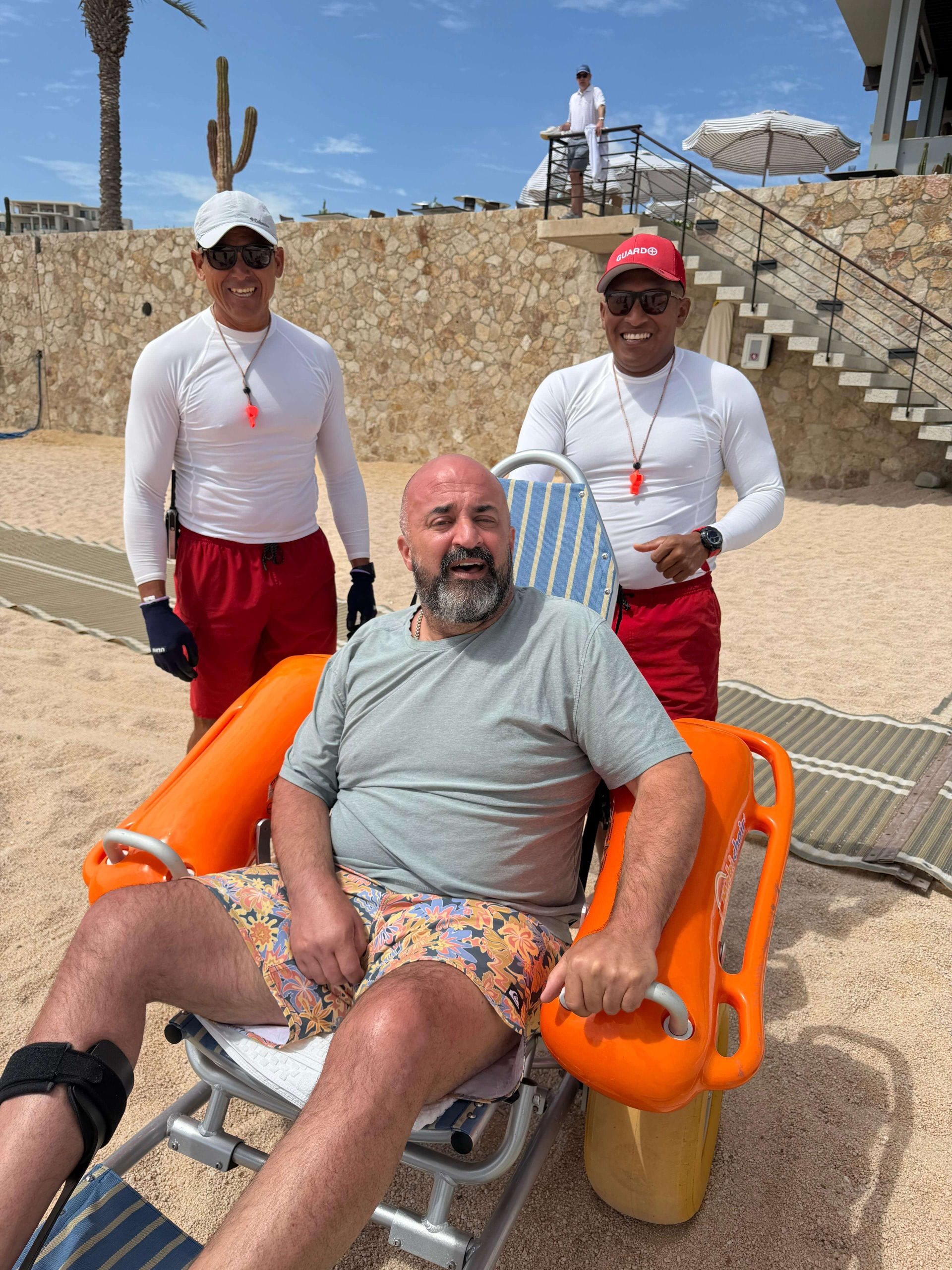
Dr. Ronnie Mirman in Cabo San Lucas, Mexico
What emerged from those conversations was not despair, but openness.
Dr. Mimran became willing to talk candidly about fear, suffering, autonomy, and death. He even remained open to trying new approaches to improve his emotional well-being and sense of control.
“He continues teaching me every time I see him,” Dr. Sharma says. “He’s shown me that resilience can mean being open – open to support, open to joy, open to uncertainty.”
For Dr. Mimran, the fear faded once he made the decisions and put his affairs in order.
“I’m not suffering anymore,” he says. “That’s what peace feels like.”
Finding Joy Again
That peace has created room for joy in places the family did not expect to find it.
They travel. They laugh. They watch TikToks together. Dr. Mimran still cracks jokes whenever he can.
And recently, during a trip to Cabo, hotel workers carried him into the ocean so he could float in the water again.
“He loves swimming,” Thomas says. “It meant everything.”
Dr. Mimran describes this stage of life with surprising wonder.
“Every day feels like Disneyland,” he says. “Every day is a gift.”
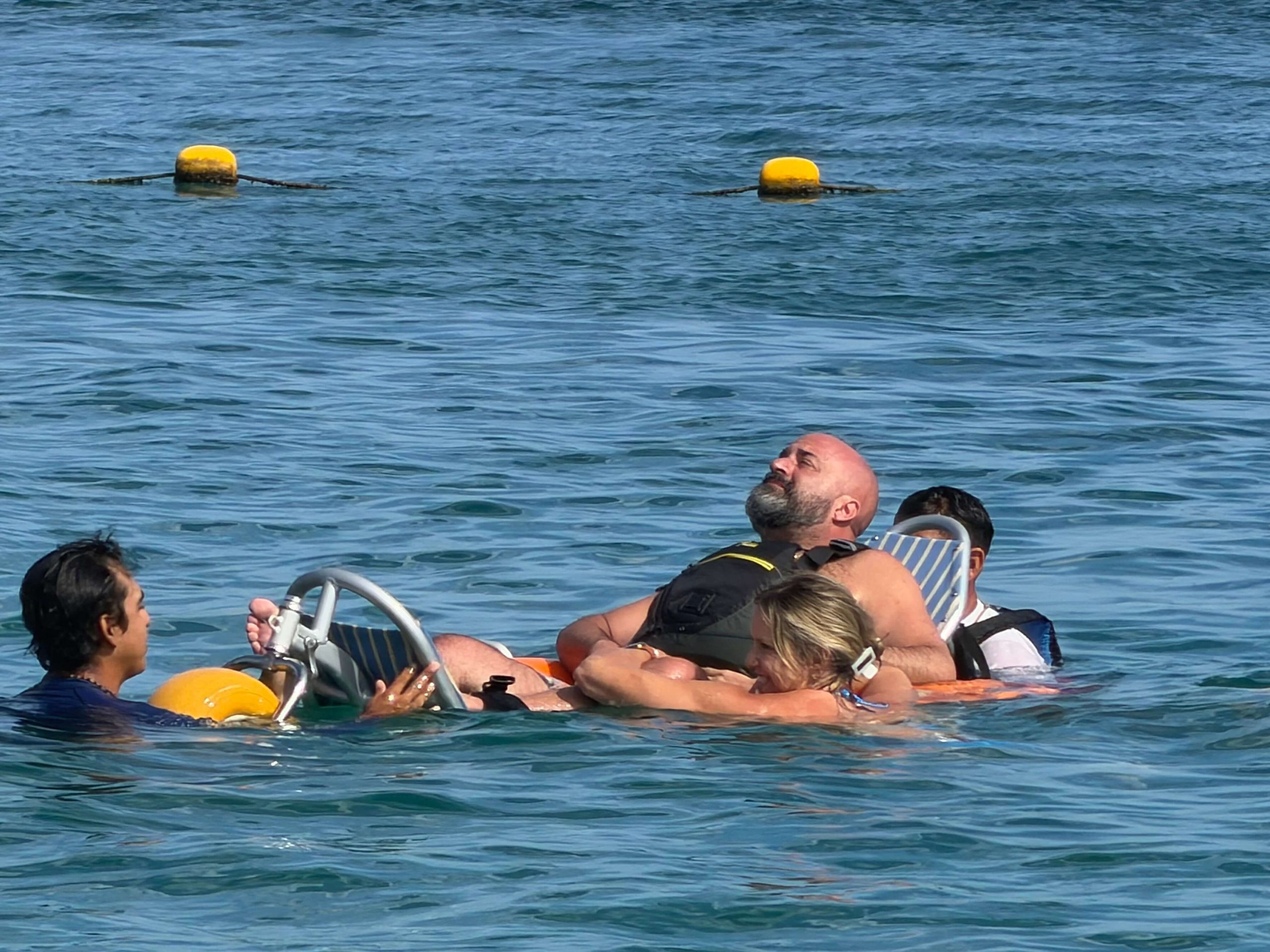
Dr. Ronnie Mirman in Cabo San Lucas, Mexico
Still Teaching
Dr. Sharma says Dr. Mimran ultimately changed her understanding of what it means to care for someone at the end of life.
“As physicians, we often think our role is to help people fight,” she says. “But Ronnie reminded me that sometimes our role is helping someone live fully – even while dying.”
Dr. Mimran still believes medicine is the best profession in the world.
“There is nothing better than being a doctor,” he says. “I would do it for free.”
But perhaps his final lesson has little to do with medicine itself.
It is about how to let go of fear.
How to choose peace.
And how to keep living anyway.
Learn more about Sutter’s neuro-oncology program.