Sleep isn’t just a time for rest. Growing evidence suggests it may be one of the most powerful factors influencing how well we age, affecting everything from brain health and memory to hospital recovery and long-term independence.

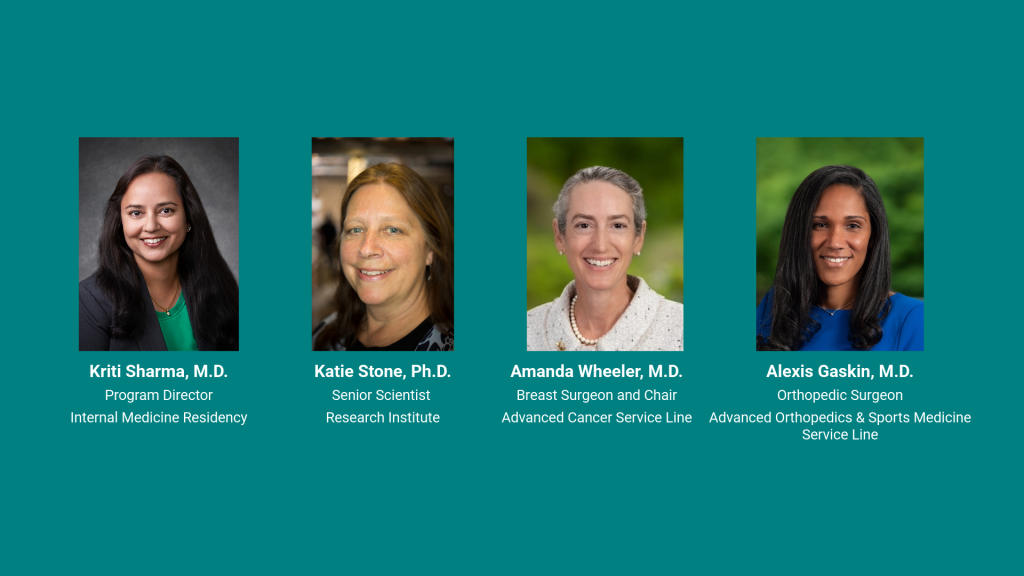
Dr. Katie Stone
For more than two decades, Dr. Katie Stone, a sleep researcher Sutter Health Research Institute, has helped advance understanding of how sleep affects dementia, heart health, falls, fractures and healthy aging. Her research is helping to reshape how scientists think about sleep as a driver of long-term health.
Here are six insights from her research that are changing what we know about sleep and healthy aging:
- Sleep Has Emerged as a Third Pillar of Healthy Aging
For years, healthy aging conversations focused primarily on diet and exercise. Today, sleep is increasingly recognized as an equally important pillar of health. Research shows sleep influences brain function, immunity, cardiovascular health, metabolism and overall well-being, making quality sleep a necessity rather than a luxury.
- Sleep Problems May Offer an Early Window Into Dementia Risk
Some of the most important discoveries in aging research center on the connection between sleep and brain health. Dr. Stone and colleagues were among the first researchers to show that sleep apnea is associated with a higher risk of mild cognitive impairment and dementia in older women, helping launch a broader field of research examining how sleep disorders may serve as early warning signs of cognitive decline. At the same time, scientists have discovered that important brain “housekeeping” occurs during sleep, when the brain clears toxins and cellular waste products that may play a role in neurodegenerative disease.
- Researchers Are Testing Whether Better Sleep Can Help Prevent Cognitive Decline
The next frontier is moving beyond identifying risk to testing interventions. Through the ESSENTIAL trial, sponsored by Sutter Health and led by Dr. Stone, researchers are investigating whether treating sleep apnea can slow cognitive decline and influence blood-based biomarkers associated with Alzheimer’s disease. Uniquely, the study focuses on older adults who are still cognitively healthy, based on the belief that interventions may have the greatest impact before symptoms appear.
- Effective Insomnia Treatment Doesn’t Always Require Medication
Millions of adults struggle with chronic insomnia, yet medications are not the only evidence-based option. Cognitive behavioral therapy for insomnia (CBT-I) is considered the recommended first-line treatment, though access to trained sleep specialists remains limited. To address that challenge, researchers, including Dr. Stone and others, are evaluating digital versions of CBT-I that can be delivered in a self-guided format online, potentially making proven insomnia treatment available to many more people.
- The Best Sleep Treatment May Be a Combination Approach
Dr. Stone suggests that combining insomnia medication with digital CBT-I may produce better long-term results than medication alone, something she is testing in the COZI trial which she leads. Participants receiving combination therapy experienced benefits in reducing insomnia symptoms lasting up to a year after treatment began. The findings are particularly relevant for older adults because some sleep medications carry risks, including an increased likelihood of falls.
- Better Sleep Could Improve Recovery and Independence Later in Life
Researchers are increasingly exploring the role sleep plays beyond the bedroom. Poor sleep during hospitalization has been linked to delirium, longer recovery times and a greater risk of readmission. To better understand whether improving sleep can improve outcomes, Dr. Stone and colleagues are launching a pilot study among older hospitalized adults at Sutter’s California Pacific Medical Center to test whether enhanced sleep protocols can improve recovery, shorten hospital stays and reduce complications. If successful, the approach could be expanded across other hospitals. More broadly, these studies reinforce a larger message: sleep is not just a reflection of health. It may actively influence how the brain and body age over time.