
Stroke can change a life in an instant, affecting nearly 800,000 people in the United States each year. Sutter Health care teams treat about 6,000 stroke patients annually, moving quickly to stabilize patients and guide the next steps.
Emergency response is a vital step, but not every stroke is treated in the hospital. Recovery often unfolds over time, leaving patients with lasting challenges related to movement, speech, thinking or mood — shaping daily life long after discharge. As recovery and care needs evolve, neurologists across the not-for-profit health system are finding new ways to stay involved beyond the hospital.
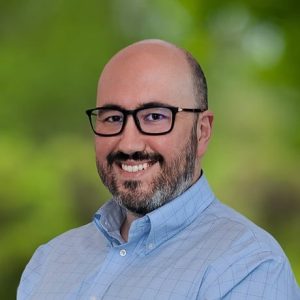
Dr. Kevin Attenhofer
“Creating space for outpatient visits has allowed us to see nearly twice as many patients needing follow-up care for the lingering effects of stroke as we did before launching the clinic,” said Dr. Kevin Attenhofer, a neurologist with Sutter West Bay Medical Group. “What happens in the hospital is critical, but this model helps bridge what comes afterward.”
Dr. Attenhofer leads an outpatient stroke clinic at the Sutter Pacific Medical Foundation clinic at Sutter’s CPMC Davies campus in San Francisco and has expanded access at Mills-Peninsula Medical Center in Burlingame to complement hospital-based care as recovery continues.
That follow-up care is supported by Sutter’s Advanced Neuroscience Service Line, which includes 17 certified stroke centers across Northern California. The service line connects tools such as 24/7 telestroke consultation, AI-enabled imaging, a mobile stroke unit and treatments like thrombectomy with rehabilitation and specialized care for patients whose needs extend beyond hospitalization.
A New Model for Stroke Recovery
The outpatient stroke clinic adds another layer to that coordinated approach, offering neurologist-led follow-up for patients who are medically stable but still navigating the aftereffects of stroke. Appointments are available in person or virtually, an option that can be especially helpful for individuals with limited post-stroke mobility.
Visits allow time to reassess recovery and tailor next steps to each patient’s symptoms. Depending on need, patients may be referred for therapies focused on memory, thinking or mood, or for treatments such as Botox injections to help relieve muscle tightness and improve movement.
“Patients may be on the right treatment, but still dealing with fatigue, changes in movement, speech, memory or mood,” Dr. Attenhofer said. “Those challenging symptoms can persist long after a stroke and this clinic allows us to reevaluate progress, helping them rebuild their independence and quality of life.”
The clinic focuses on what recovery looks like after the immediate crisis has passed, supporting patients as their needs evolve in the weeks and months that follow.
“Recovery isn’t linear,” he said. “Patients’ needs change over time, and outcomes improve when care teams stay involved and adjust alongside them.”
Looking ahead, Sutter plans to expand outpatient stroke services to Novato Community Hospital and broaden access across the system through virtual visits.
Do you or a loved one need comprehensive stroke or neurologic care? Click here to learn more about Sutter’s advanced neurosciences services.