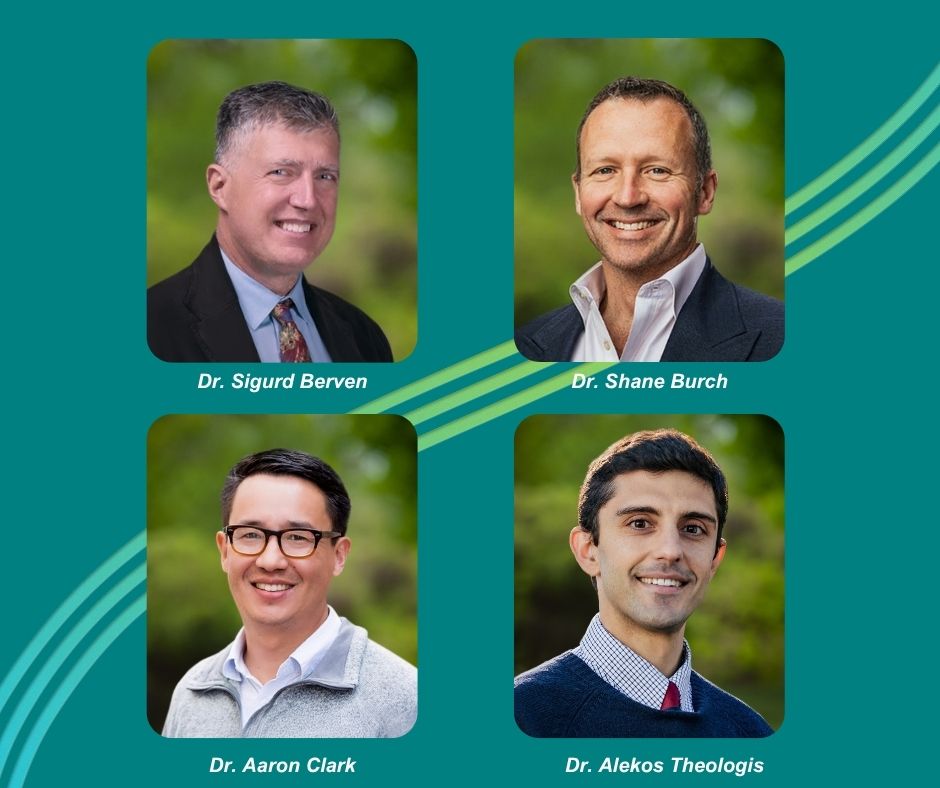

More people are seeking mental healthcare, yet communities across California continue to face a shortage of trained psychiatrists.
To help meet this growing need and improve access, Sutter Health plans to launch a new psychiatry physician residency program in the Sacramento region, training future psychiatrists locally with the goal of expanding access to care across Northern California.
Research shows physicians often choose to practice near where they complete their training, making physician training programs one of the most effective ways to build a long-term workforce, helping more patients receive timely care.
“The long-term goal is to help more patients access the psychiatric care they need, when and where they need it,” said Dr. Dineen Greer, vice president of graduate medical education and designated institutional official at Sutter Health. “This program will help prepare future psychiatrists to meet the rising demand while expanding care options for patients across the region for years to come.”
By the end of 2027, Sutter expects to train approximately 575 residents and fellows across 39 accredited programs, reflecting its continued commitment to developing the next generation of physicians and strengthening mental health access for the communities it serves.
Learn more about Sutter’s GME programs.
Training Across the Continuum of Care
A hallmark of Sutter’s Psychiatry Residency Program is its multi-site training model. Unlike many residency programs, Sutter’s residents will train in hospitals, outpatient clinics and community-based programs serving rural, suburban and urban, communities throughout Northern California, bringing future psychiatrists closer to the communities they will ultimately serve.
By training across diverse care settings, residents gain the experience needed to care for patients with a wide range of behavioral health needs, wherever they seek care. The approach aligns with Sutter’s broader efforts to bring care closer to home, including investments such as the EmPATH center, which helps expand access to care in more remote areas.
“Our goal is to train psychiatrists who can meet patients where they are,” said Dr. Joseph Sison, medical director of psychiatry at Sutter Medical Center, Sacramento and program director of the new psychiatry residency program. “By experiencing care across multiple settings, residents learn how to provide compassionate, coordinated care throughout a patient’s journey.”
In recent years, the health system has more than doubled its outpatient behavioral health physician workforce while increasing access to psychiatrists, psychologists, therapists and other specialized clinicians. Sutter has also made significant investments to expand behavioral health services across Northern California, including specialty mental health clinics, crisis care programs, integrated behavioral health services and innovative treatment options that help connect more patients to timely, coordinated care.
Residents will also learn advanced treatment approaches for severe or difficult-to-treat mental health conditions, including electroconvulsive therapy, transcranial magnetic stimulation and ketamine-based therapies. Sutter was the first health system in the Sacramento region to offer SAINT protocol accelerated TMS, allowing for more treatment options for patients with complex mental health needs.
Working alongside experienced psychiatrists, residents will see firsthand how care is delivered across different settings and how patients move through the healthcare system, from hospitalization to outpatient treatment and recovery, helping ensure the patient experience is more connected and seamless.
In addition, residents will care for patients in community psychiatry clinics, including individuals living with moderate-to-severe mental illness.
“One of the program’s greatest strengths is the opportunity for residents to follow patients across multiple levels of care,” said Dr. Shannon Suo, dual-boarded psychiatric and family physician and associate program director of the psychiatry residency program. “Through Sutter Center for Psychiatry and our broader network of services, residents will gain valuable insight into how different care settings work together to support patients.”