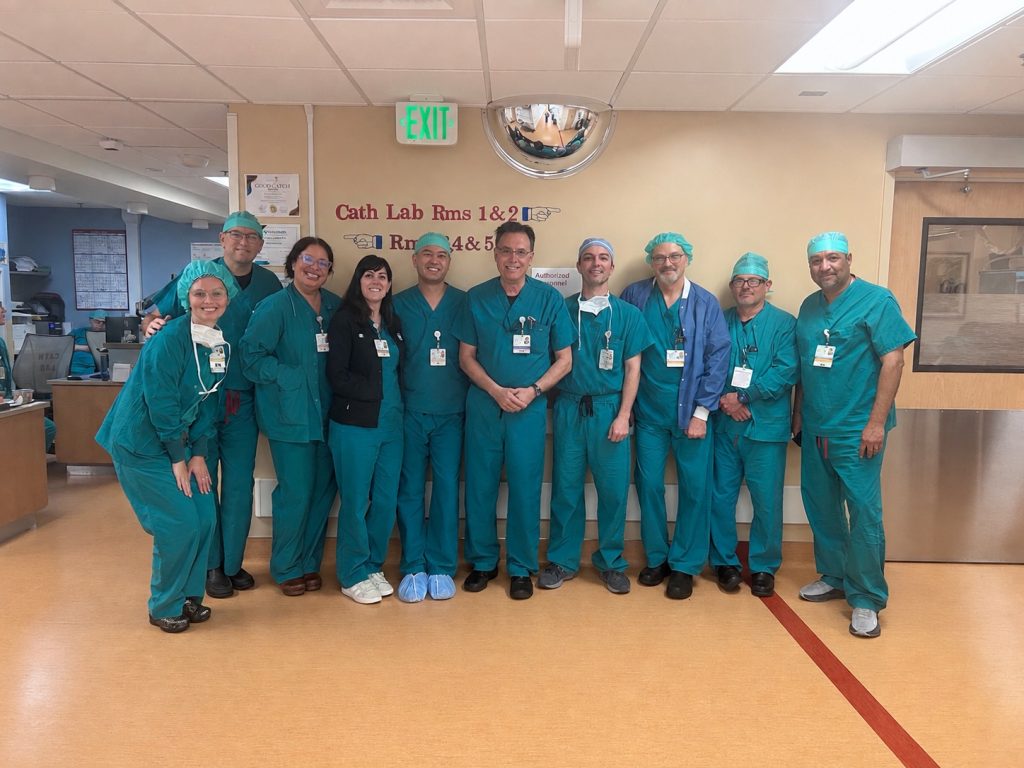
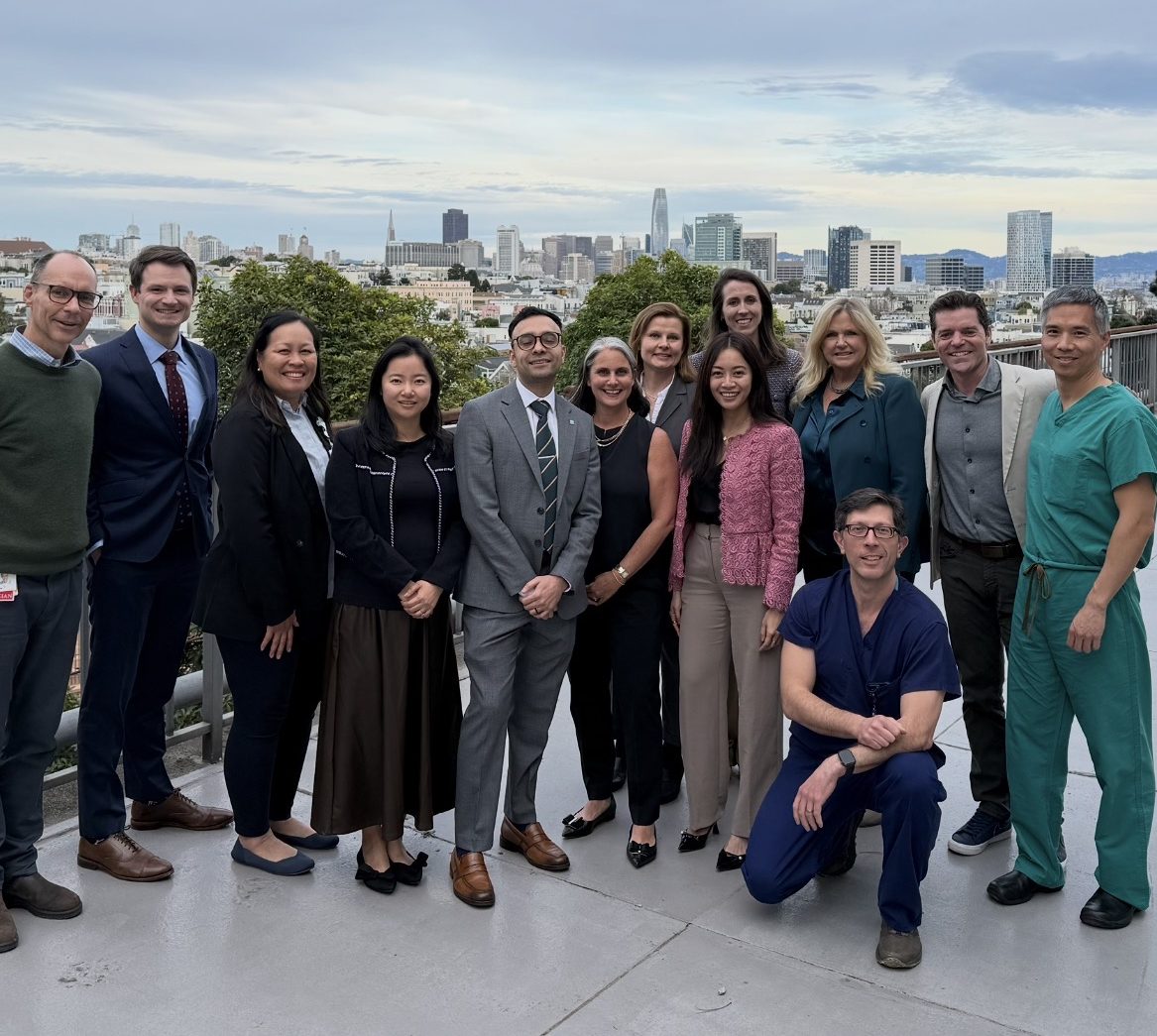
Sutter’s CPMC stroke leadership and executives come together to celebrate the Davies Campus’ Comprehensive Stroke Certification and the teams behind it.
SAN FRANCISCO — Sutter Health announced today that its California Pacific Medical Center (Sutter’s CPMC) Davies Campus has been designated a Comprehensive Stroke Center by The Joint Commission, the nation’s leading accrediting body for healthcare organizations.
The designation recognizes Davies Campus for its ability to deliver advanced, around-the-clock care for patients experiencing severe and life-threatening strokes, including hemorrhagic and large vessel ischemic strokes.
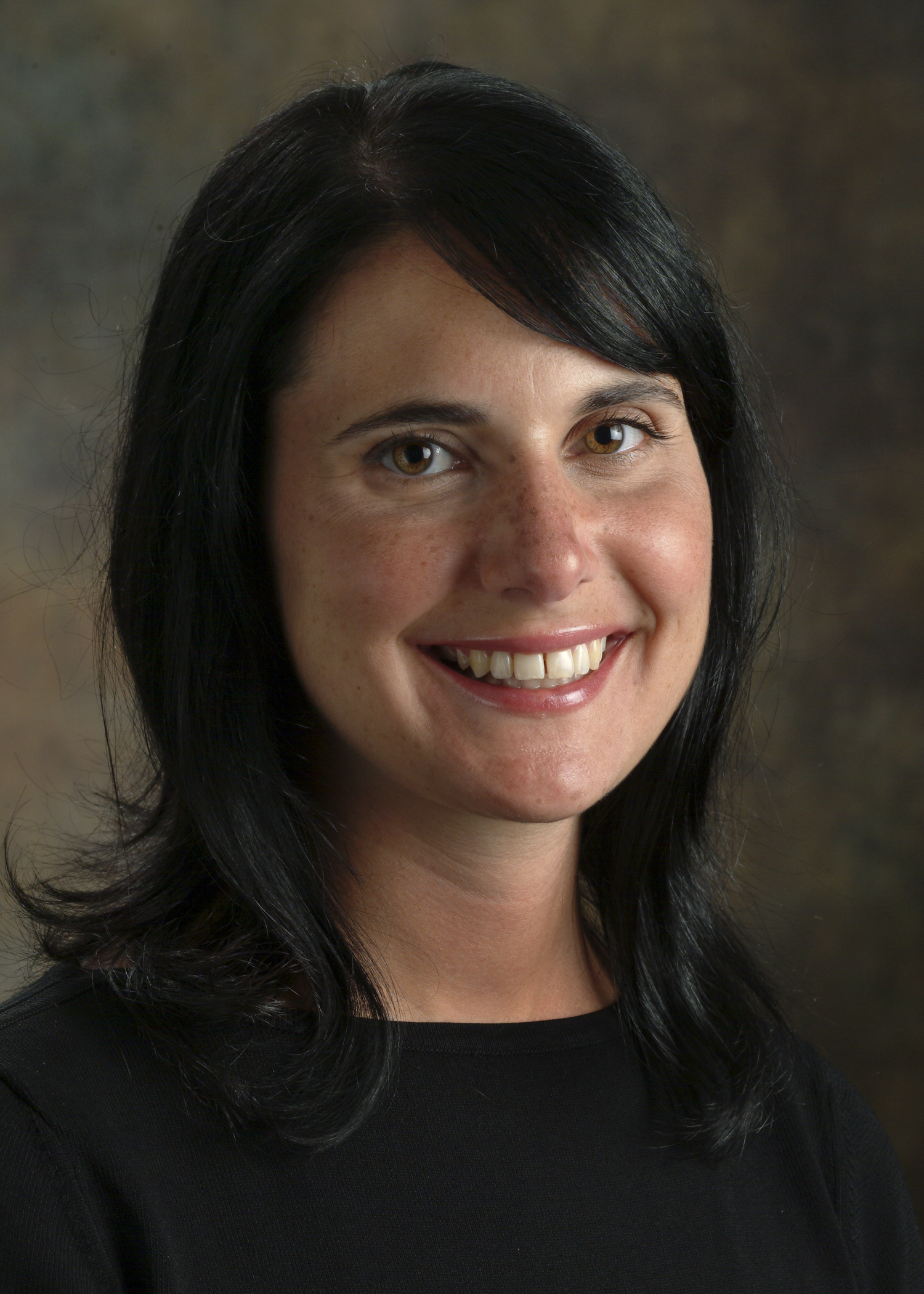
Dr. Nobl Barazangi
“Achieving Comprehensive Stroke Center certification at CPMC Davies Campus reflects the strength of our integrated, multidisciplinary approach to stroke care,” said Dr. Nobl Barazangi, stroke medical director at Sutter’s CPMC and chief of stroke care for Sutter Health’s Advanced Neuroscience Service Line. “From rapid diagnosis and clot-busting medications to advanced neurointerventional procedures, our teams are equipped to deliver the right care at the right time. We are also building a connected system of care that expands access to these life-saving treatments across the communities we serve.”
Advanced Stroke Care, When Every Minute Matters
At the comprehensive level, care teams at Davies Campus provide immediate access to time-sensitive treatments, including intravenous thrombolytics such as Tenecteplase (TNK), as well as endovascular procedures like mechanical thrombectomy to remove large clots.
Patients benefit from 24/7 access to stroke neurologists, neurosurgeons and neurointerventional experts, supported by advanced imaging including CT, MRI and cerebral angiography. The program also provides neurocritical care, treatment of complex aneurysms and vascular malformations, and early rehabilitation planning.
This multidisciplinary approach supports timely, personalized care from diagnosis through recovery.
Strengthening Stroke Care Across San Francisco
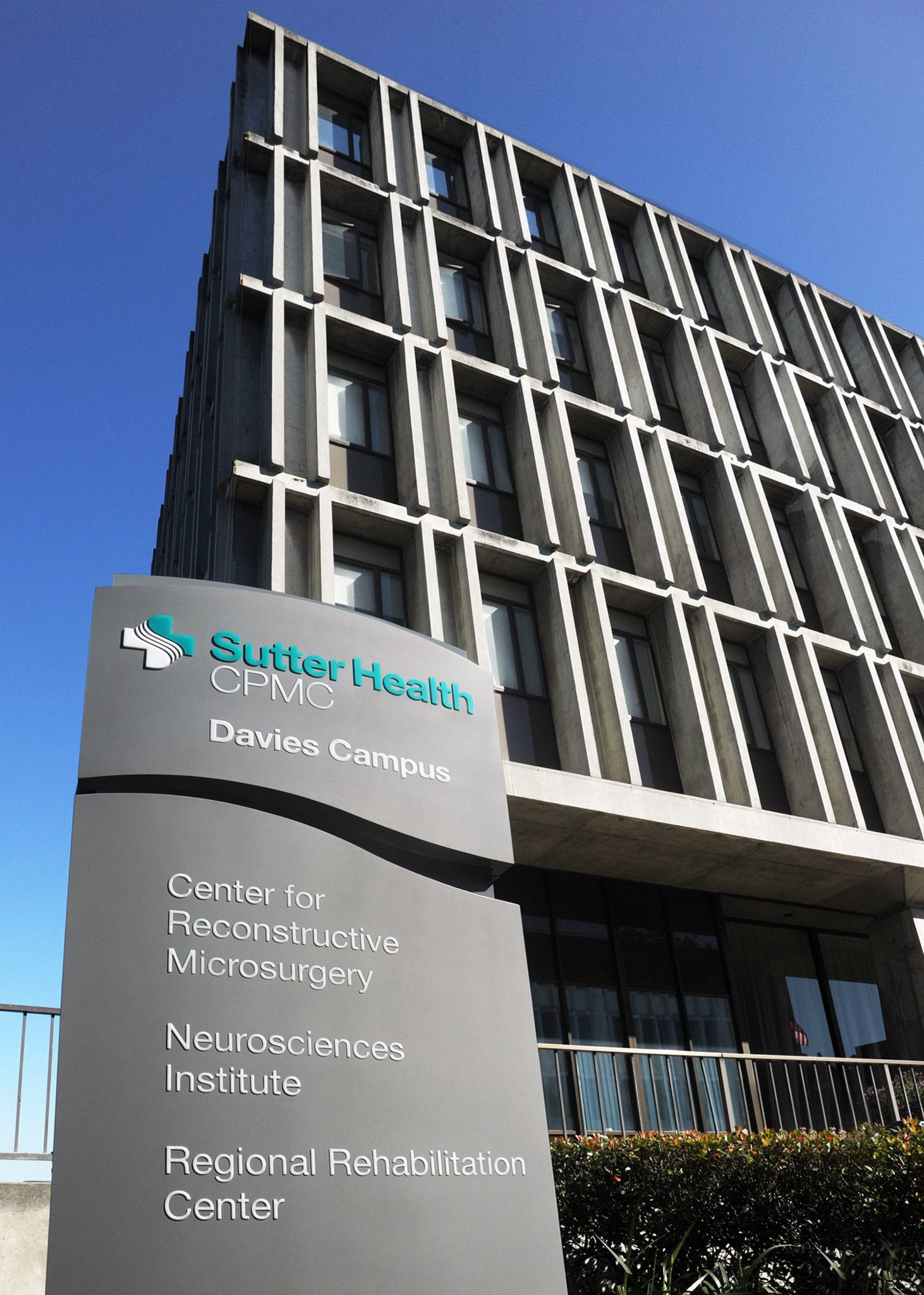
Sutter’s CPMC Davies Campus in San Francisco
The achievement builds on Sutter’s commitment to expanding access to high-quality stroke care across San Francisco. In addition to the Davies Campus, CPMC’s Van Ness Campus is a certified Primary Stroke Center with thrombectomy capability, and the Mission Bernal Campus is newly certified as a Primary Stroke Center.
Sutter is also investing in a $442 million advanced neurosciences complex at the Mission Bernal Campus, expected to open in 2028.
Together, these efforts strengthen a coordinated, citywide approach to stroke care designed to ensure rapid diagnosis, timely treatment and seamless transitions across levels of care.
A Coordinated, Systemwide Approach
Across Northern California, Sutter Health has built a connected stroke network to support patients at every stage of care. In addition to Davies Campus, Sutter’s Comprehensive Stroke Centers include Sutter Medical Center, Sacramento and Eden Medical Center in Castro Valley.
The Sutter network also includes 15 primary stroke centers, three of which are thrombectomy-capable, expanding access to advanced stroke care across the region.
Standardized protocols, integrated care teams and shared best practices help ensure consistent, high-quality care across the system – from emergency response and acute intervention to rehabilitation and follow-up care.
Stroke remains a leading cause of death and long-term disability in the United States, and access to specialized stroke care can significantly improve outcomes.
Technology Meets Access
Sutter Health is advancing stroke care through AI-powered imaging and advanced neurodiagnostics that enable earlier detection and more precise treatment decisions. Its telestroke program, which began at CPMC, connects stroke specialists with emergency departments across urban, suburban and rural communities, allowing for rapid assessment and treatment guidance through real-time video technology.
Sutter is also home to one of the nation’s few Mobile Stroke Units, bringing specialized stroke care directly to patients during emergency transport and accelerating access to timely treatment. Complementing these efforts, Sutter’s CPMC is among the first medical centers in the Bay Area to offer advanced neurorehabilitation services, including vagus nerve stimulation, which supports recovery and has been shown to improve functional outcomes after stroke.
Learn more about Sutter’s Advanced Neurosciences programs, services and recognitions.