Every day, physicians ask clinical questions that could lead to better treatments, earlier diagnoses and improved outcomes for patients.
To help turn those questions into potential discoveries and curiosity into potential cures, not-for-profit Sutter Health launched its inaugural Physician Research Grants Program. The program provides funding and support for physician-led studies aimed at advancing clinical excellence, health systems innovation and data-driven insights across a wide range of medical specialties.
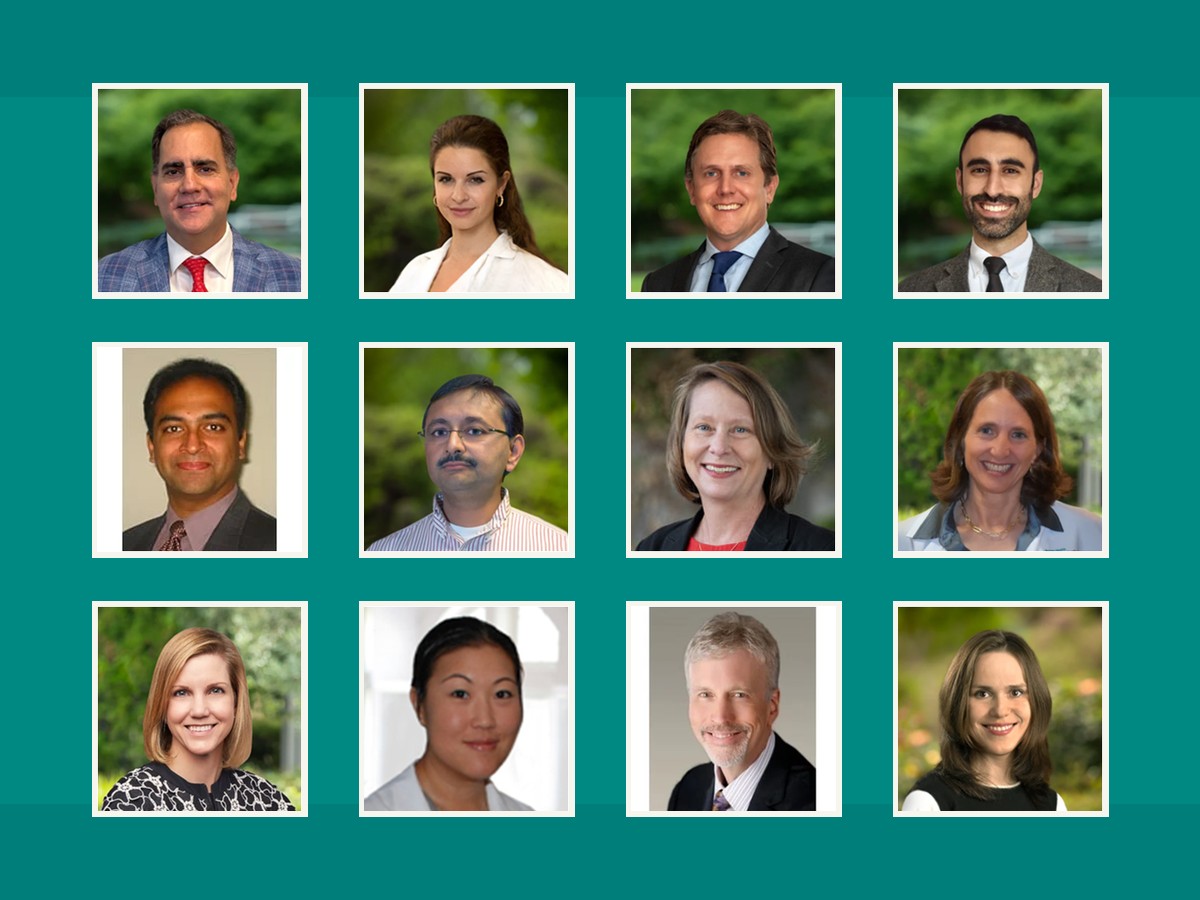
This year, 12 physicians were selected as the program’s first grant recipients.
“Through the competitive program, physician-led projects receive up to $100,000 in funding, along with biostatistical expertise, project management and scientific collaboration through the Sutter Health Research Institute,” says Dr. Matthew Solomon, vice president and chief scientific officer at Sutter Health. “Made possible through the generosity of our philanthropic partners, the program reflects Sutter Health’s commitment to advancing medical discoveries and improving patient care.”
Below, four grant recipients share the questions driving their research and what their work could mean for patients.
Dr. Jennifer Guy, hepatologist at Sutter West Bay Medical Group
Q: Your project looks at care delivery in real-world patient care settings. What challenge are you trying to solve, and how could it improve the patient experience?
A: Through this study, we hope to better understand the risk of liver cancer development in patients with certain types of chronic liver disease, like fatty liver disease and viral hepatitis, so we can improve prevention, early detection and treatment. We are also examining trends in treatment to identify best practices and uncover potential gaps in care we may help close. Because liver cancer care often involves multiple specialists, this work can help strengthen collaboration across the system and improve the patient experience through seamless care coordination.
Dr. Girish Narayan, cardiologist at Palo Alto Foundation Medical Group
Q: Your research focuses on identifying and managing cardiovascular disease risk. What excites you most about this approach, and how could it help shape the future of patient care?
A: I’m excited by the opportunity to identify risk early and help prevent heart disease before it starts. By following patients over time and analyzing data across a large health system, we can uncover patterns like rising cholesterol, changes in blood sugar or declining kidney function that may signal cardiovascular risk sooner than traditional approaches. This could help clinicians intervene earlier and take a more proactive approach to improve heart health.
Dr. Nitin Rohatgi, oncologist at Sutter Medical Group
Q: Studies suggest that up to 50% of breast cancer patients don’t properly take or stay on treatment. What are you hoping to better understand about why patients stop treatment, and how could your research help more patients stay on therapy?
A: We are studying whether weight gain during treatment can predict when patients are at risk of stopping hormone therapy for breast cancer. If we can identify those patients earlier, we may be able to intervene with weight-management support or new treatment options that help them stay on therapy. Ultimately, the goal is to reduce the risk of cancer recurrence and help patients live longer, healthier lives.
Dr. Ilana Spokoyny, neurologist at Sutter West Bay Medical Group
Q: Stroke care is often time-sensitive and complex. What aspects of care are you working to improve, and why does it matter for patients?
A: Stroke care is one of medicine’s most time-sensitive challenges. My research compares different care delivery models, including traditional hospital-based care, telestroke and Mobile Stroke Units, to understand how they affect the speed and accuracy of diagnosis and treatment. Ultimately, I hope to improve access to high-quality stroke care, reduce disparities and help ensure patients receive the definitive care they may need as quickly as possible.
Advancing physician-led research across Sutter Health
In addition to the four physician investigators featured above, the 2026 Sutter Health Physician Research Grants Program also recognized the following recipients and their focus areas:
- Dr. Natalia Colocci, medical oncologist at Palo Alto Foundation Medical Group and executive medical director of the PAFMG Cancer Service Line.
- Focus area: Improving immunotherapy treatment for people with cancer
- Dr. Charles McDonnell, diagnostic radiologist at Sutter Medical Group
- Focus area: Understanding what affects breast cancer outcomes
- Dr. Hernan A. Bazan, vascular surgeon at Sutter West Bay Medical Group
- Focus area: Better predicting risks for patients having heart, vascular and stroke procedures
- Dr. Jill Foley, obstetrician and gynecologist, chair of Sutter Health’s Women’s Health Service Line at Sutter East Bay Medical Group
- Focus area: Tracking blood pressure to improve pregnancy outcomes
- Dr. Youjeong Kim, orthopedic surgeon at Sutter West Bay Medical Group
- Focus area: Comparing spine surgeries to help patients recover with the best possible outcomes
- Dr. Naveed Rabbani, pediatrician at Palo Alto Foundation Medical Group
- Focus area: ADHD treatment and adult growth
- Dr. William Russell Ryan, oncologic surgeon at Sutter West Bay Medical Group
- Focus area: Improving treatment for people with early-stage thyroid cancer
- Dr. Katerina Shetler, gastroenterologist at Palo Alto Foundation Medical Group
- Focus area: Better understanding fatty liver disease to improve patient care