Sutter Health Expands Care Through Community Partnership
Delivering exceptional healthcare requires more than clinical expertise, it requires presence. At Sutter Health, convening and listening are not preliminary steps. They are core to how care is shaped, delivered and sustained.
As a not-for-profit health system, Sutter Health recognizes that meaningful change happens when healthcare organizations come to the table alongside the people they serve. That means creating space for dialogue, bringing together trusted partners, and listening deeply to understand not only where gaps exist, but why. It also means acting on what communities share — translating insight into education, resources and access to care that reflects local community needs.
An Intentional Approach to Community-Centered Care
At the core of Sutter Health’s approach is a simple principle: every community’s healthcare needs are different, and solutions must be shaped by the people who live there.
That approach begins with listening before acting. It includes partnering early with trusted local organizations, public agencies, and providers who understand their communities. And it requires moving beyond conversation to implementation.
“Community partnership is the number one way we can build trust in the communities we serve,” said Angelika Corchado, community health director at Sutter Health. “High-quality, convenient care looks different in every community. Our teams listen and learn so solutions are developed alongside communities — not for them — and feedback is turned into action.”
Pictured Left to Right: Tony Hill, Sierra Medical Foundation; Angelika Corchado, Director of Community Health, Sutter Health; Conchi Diaz, Sutter Health; Gopi Takhar, Sutter Health.
That philosophy comes to life across the Sutter Health system. One example is the Yuba–Sutter Conversations in Healthcare Town Hall, a community health‑driven effort rooted in collaboration, education and action.
Convening the Right Voices in the Yuba-Sutter Community
In partnership with the Yuba-Sutter Healthcare Council, Yuba County Health and Human Services, Sutter County Health and Human Services, Partnership HealthPlan, three Federally Qualified Health Centers — Ampla Health, Peach Tree Health and Harmony Health — and others in the Yuba-Sutter Regional Healthcare Collaborative, Sutter Health guided a 14‑month, multi‑sector initiative focused on improving access to care through telehealth.
No single organization could do this work alone. Sutter Health championed the convenings that brought together healthcare providers, public health leaders and community voices around a shared goal: removing barriers to care in Yuba and Sutter counties. Rather than prescribing solutions, the initiative was built collaboratively — informed by data, shaped by lived experience and grounded in local realities.
Listening First: Community Voices Shape the Work
The effort began with community focus groups aligned with Sutter Health’s Community Health Needs Assessment, helping identify where access gaps existed and why.
Residents and providers spoke candidly about challenges, particularly around specialty care. Barriers included limited local services and misconceptions about what types of care could be delivered virtually.
“In many communities, traditional face‑to‑face care has long been the norm — often shaped by cultural expectations or generational habits,” said Dr. Phuong Luu, Bi-county health officer for Yuba County and Sutter County. “What we heard from the community is a lack of understanding of what telehealth visits are like, and an assumption that specialty care cannot be provided via telehealth. Change can be hard, especially when it comes to something as personal as healthcare. By listening first, we were able to build trust and become a resource, helping communities understand the effectiveness and opportunities telehealth can provide, especially for specialty care access.”
These conversations made one thing clear: access isn’t just about availability — it’s about awareness, trust and education.
In the second year, the collaborative narrowed their focus based on what they heard, taking a deeper look at specialty‑care barriers and turning insight into action.
Turning Insight Into Action: The Health Now Education Toolkit
Pictured Left to Right: Irma Villasenor, local resident; Lexy Kidd, Sutter County Public Health; Danielle Riguerra, Sutter County Public Health.
Working with the Federally Qualified Health Centers, or FQHCs, and community partners, a survey was conducted to understand patients’ barriers to telehealth. Those insights informed the creation of the Health Now Education Toolkit — a community‑driven resource designed to address misconceptions and increase awareness of available telehealth services.
Two key findings revealed that many residents perceived telehealth as lower quality and believed certain services must always be delivered in person. The toolkit helps reframe those assumptions by highlighting the breadth and quality of specialty care available virtually, including services for Partnership HealthPlan Medi‑Cal members. By providing clear, relevant information, the toolkit helps expand access, reduce delays in care and empower individuals to share knowledge within their families and communities.
The Town Hall: A Moment of Connection and Momentum
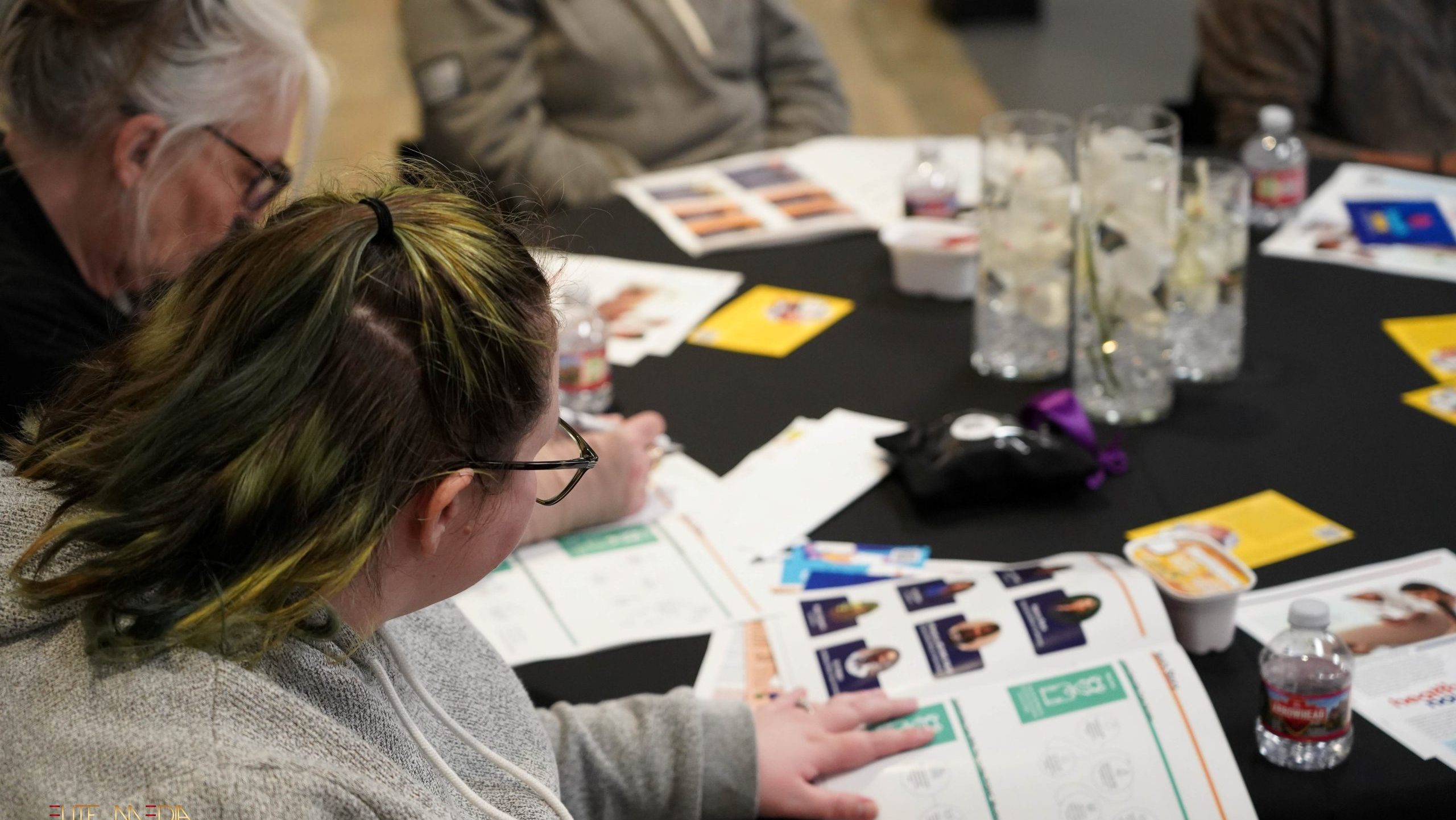
The Health Now Toolkit was introduced at the Yuba–Sutter Conversations in Healthcare Town Hall, which brought together more than 140 community leaders, elected officials, providers and residents.
What made the town hall impactful wasn’t just the information shared, it was the conversation. Community members spoke openly about their healthcare experiences, barriers they encounter, and solutions they believe could make a real difference.
“I have had several practical experiences with telehealth where I was able to connect with a specialist multiple times, and with little to no waiting for an appointment,” said Bob “Fish” Fischetti, 93Q radio host and community member. “The elimination of waiting and travel, and the ability to get all my questions and concerns answered, was nothing short of amazing. After attending the Yuba Sutter Conversations in Healthcare event I am even more convinced that “Health Now” is needed for informing our community about the benefits of Telehealth.”
Sutter Health supported the initiative, event, and toolkit both financially and through in‑kind contributions, reinforcing its commitment not only to convening conversations but to sustaining community-led solutions.
Measuring Impact and Looking Ahead
The effort to bring high-quality, convenient care to communities doesn’t end with a toolkit or a town hall. Following the toolkit’s launch, Sutter Health and partners will evaluate how the Health Now Education Toolkit impacts telehealth utilization using data from Partnership HealthPlan and participating FQHCs. Findings will help determine what is working, where gaps remain and how the approach can be expanded — including for services offered locally beyond TeleMed2U.
The goal is not simply increased usage, but care that is accessible, appropriate and aligned with community needs.
Taking Action … Together
This initiative reflects Sutter Health’s vision to be the most comprehensive, integrated and connected health system for getting and staying well.
It means investing in communities, convening trusted partners, listening and taking action with purpose.
Because access to high‑quality, convenient healthcare should not depend on where someone lives — and Sutter Health remains committed to working alongside communities to break down barriers to care.