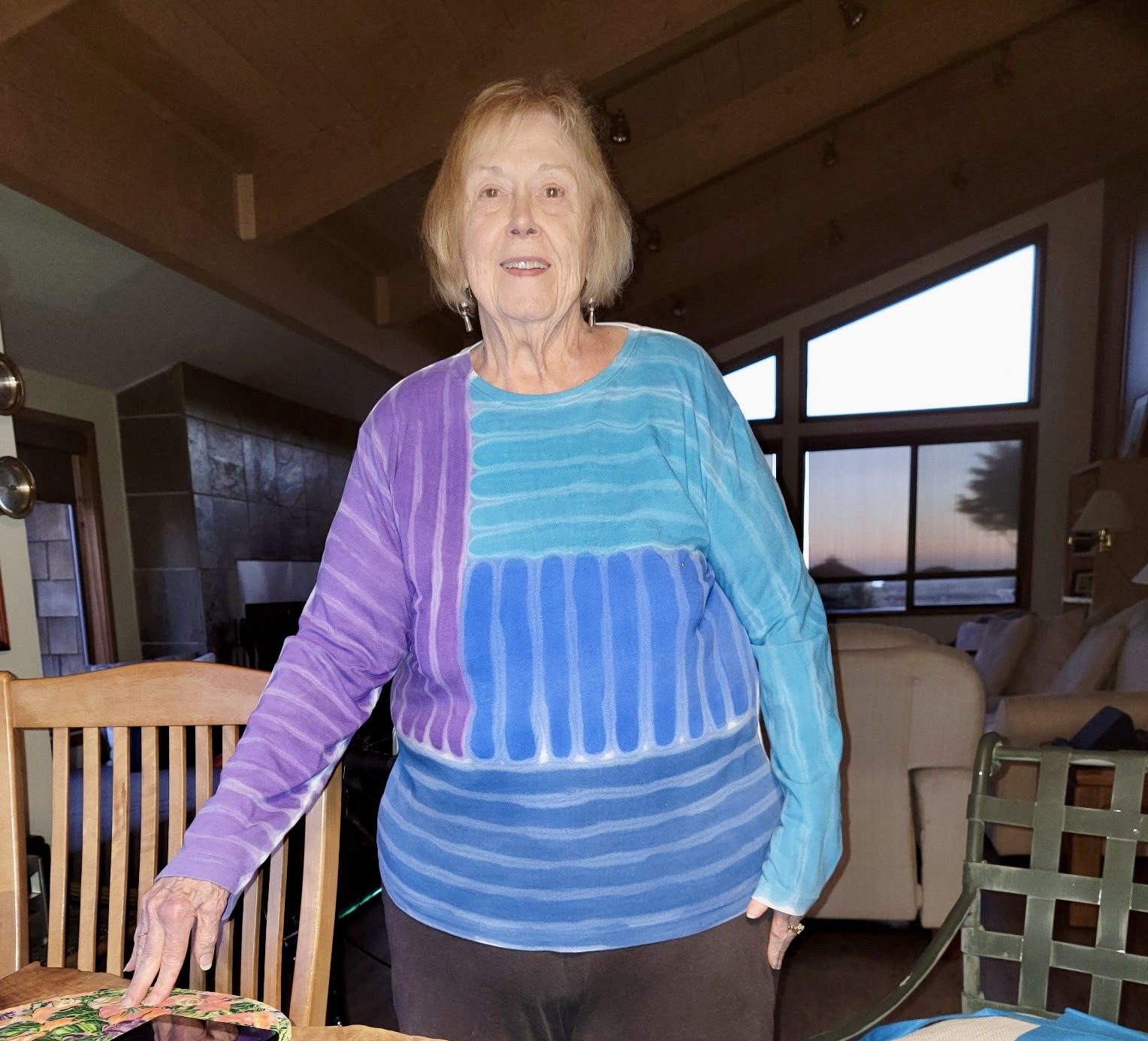
By Jenn Lonzer, Vitals contributor
With a doctoral degree in nursing, Anna Mullins knew the signs and symptoms of stroke. But when she began to develop symptoms herself, she did not realize what was happening.
“I didn’t know I was having a stroke,” says Mullins. “I was tired, and I felt a little weak. My caregiver saw that the left side of my face was drooping, that I had left-sided weakness, and my speech was slurred — but I didn’t feel anything.”
Mullins’ caregiver called 911, beginning a care journey that would take her from her home in Marin County to San Francisco for advanced stroke and cardiovascular care.
When Minutes Matter
Mullins was taken by ambulance to MarinHealth Medical Center, where the care team quickly identified signs of a stroke. A CT scan showed that Mullins had a blood clot that had lodged in her middle cerebral artery, blocking blood flow to the right side of her brain.
Physicians use the National Institutes of Health Stroke Scale to measure stroke severity. Mullins’ initial NIHSS score was 13, indicating a moderate stroke.
The MarinHealth team administered IV thrombolytics in an effort to break down the clot and transfer red Mullins to Sutter’s CPMC, where she could receive more specialized care, including a procedure to remove the clot.
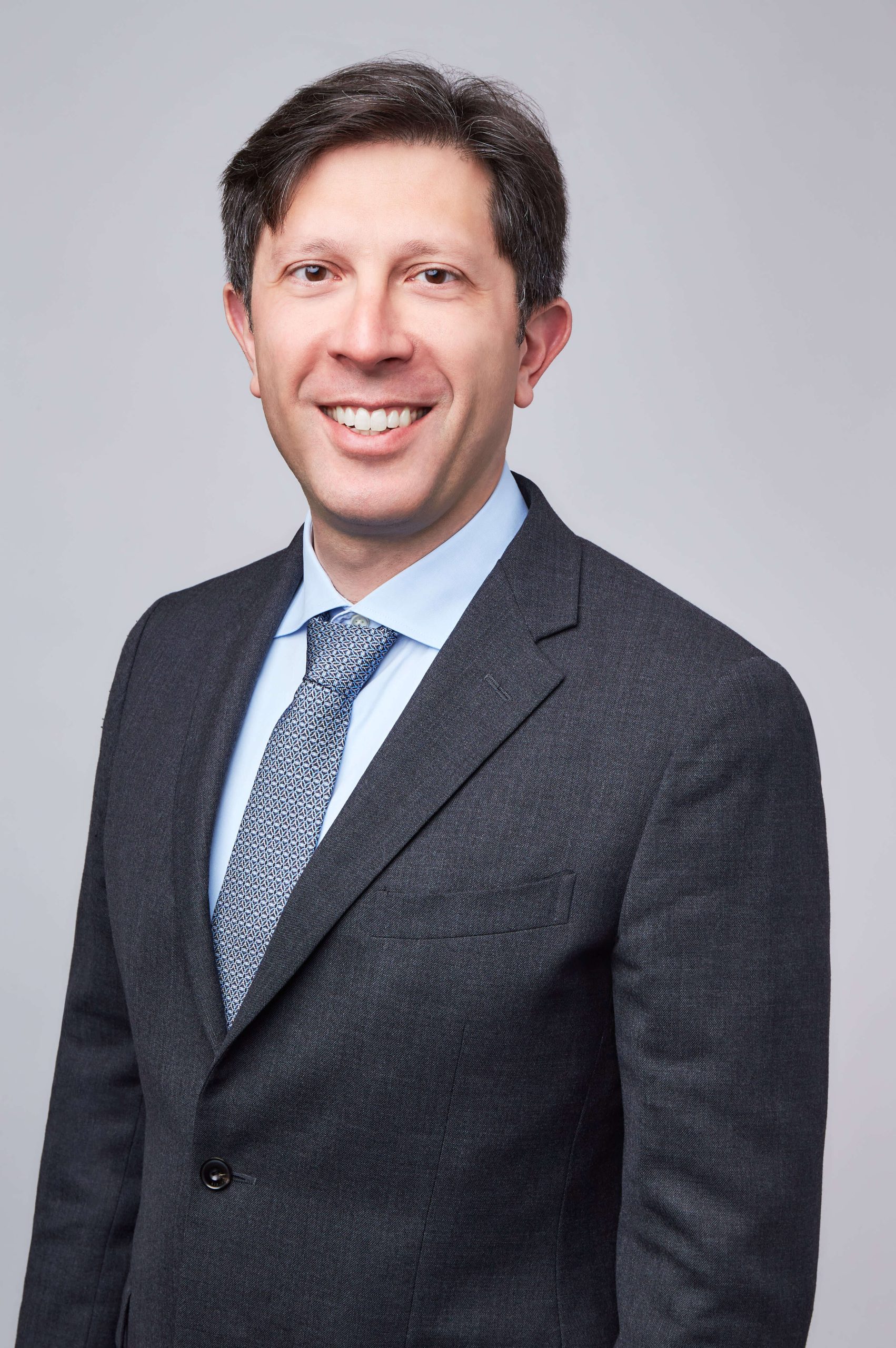
Fabio Settecase, M.D.
By the time Mullins arrived at Sutter’s CPMC, the neurointerventional team, led by Sutter West Bay Medical Group’s (SWBMG) Dr. Fabio Settecase, had already assembled and treatment began immediately. Dr. Settecase and the neurointerventional team performed a mechanical thrombectomy to entirely remove the clot, restoring blood flow to the right side of Mullins’ brain. By the next day, Mullins’ NIHSS score had improved to 0.
“Eighty-five percent of strokes do not cause pain or discomfort, and patients experiencing a stroke are often unaware of their own symptoms — so bystanders are key to recognizing a stroke and calling 911,” says Dr. Settecase. “Once they’re at the hospital, the focus is getting the vessel open as fast as possible, since restoring blood flow to the brain is key to minimizing the number of neurons from dying due to lack of oxygen. We say ‘time is brain’ because the faster we get the blocked vessel open, the higher the chances that the stroke is minimized and recovery is maximized.”
Without rapid treatment, patients can lose up to 1.9 million neurons every minute. Dr. Settecase and his team were ready when Mullins arrived, minimizing delays to treatment. They achieved a door-to-groin puncture time of 44 minutes, well below the 60-minute benchmark, and fully restored blood flow in less than two hours.
“Fortunately, they were able to remove the clot before permanent damage was done,” says Mullins. “And that was good news.”
Preventing the Next Stroke
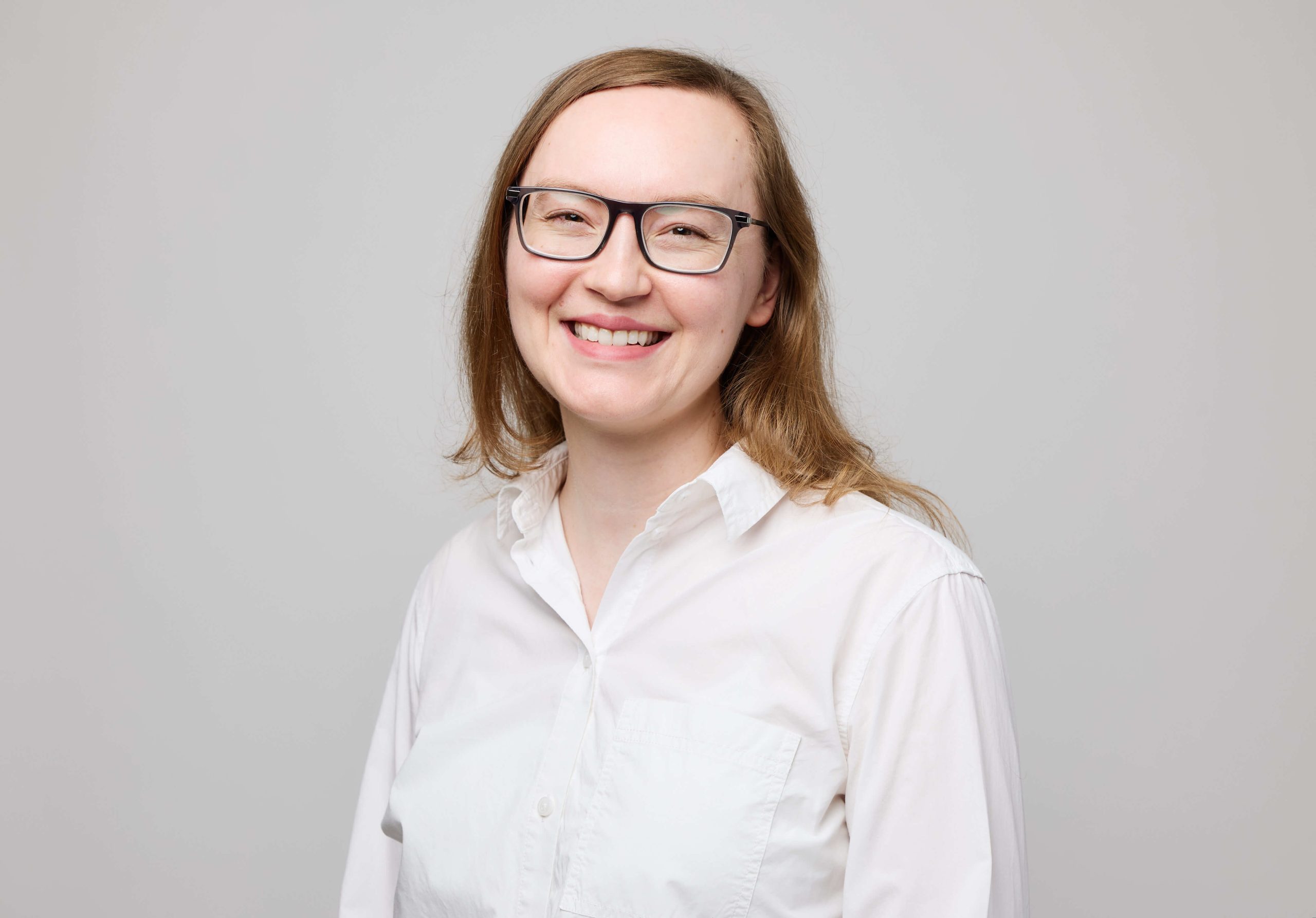
Deanne Loube, M.D.
Restoring blood flow was only the first step. The care team, including SWBMG vascular neurologist Dr. Deanne Loube and neurointensivist Dr. Max Kazer next turned their attention to understanding what caused the stroke and reducing Mullins’ future risk.
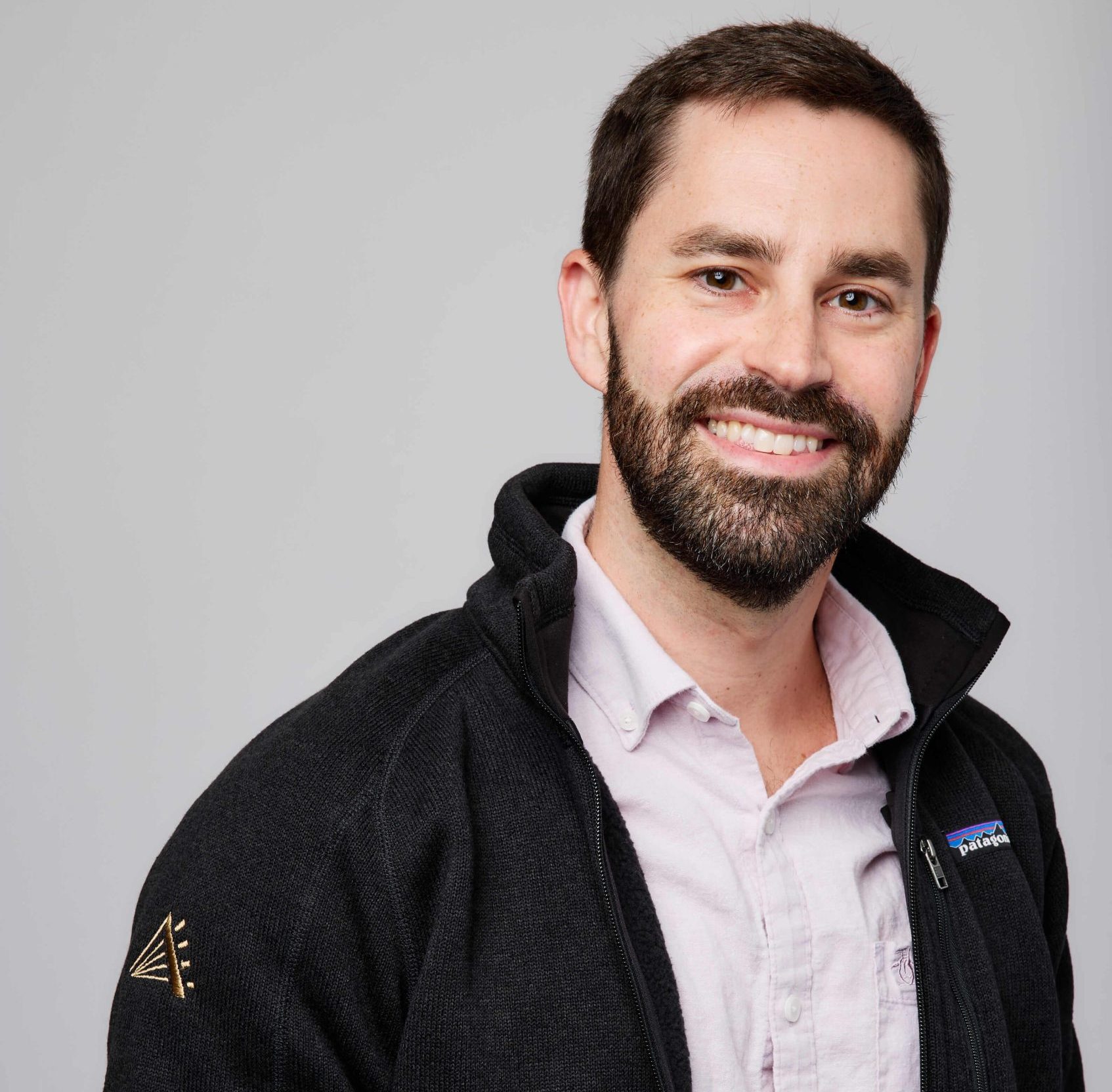
Max R. Kazer, M.D.
They determined that atrial fibrillation (AFib) led to the clot that caused Mullins’ stroke. In people with AFib, the heart does not beat in a regular rhythm. That irregular beating can allow blood to pool and clot inside a small pouch in the heart called the left atrial appendage. If a clot travels to the brain, it can cause a stroke.
Many people with AFib take anticoagulants to lower their risk of clots. But those medications are not right for everyone, including Mullins. Thanks to medical innovations, there are other ways to reduce stroke risk in these patients.
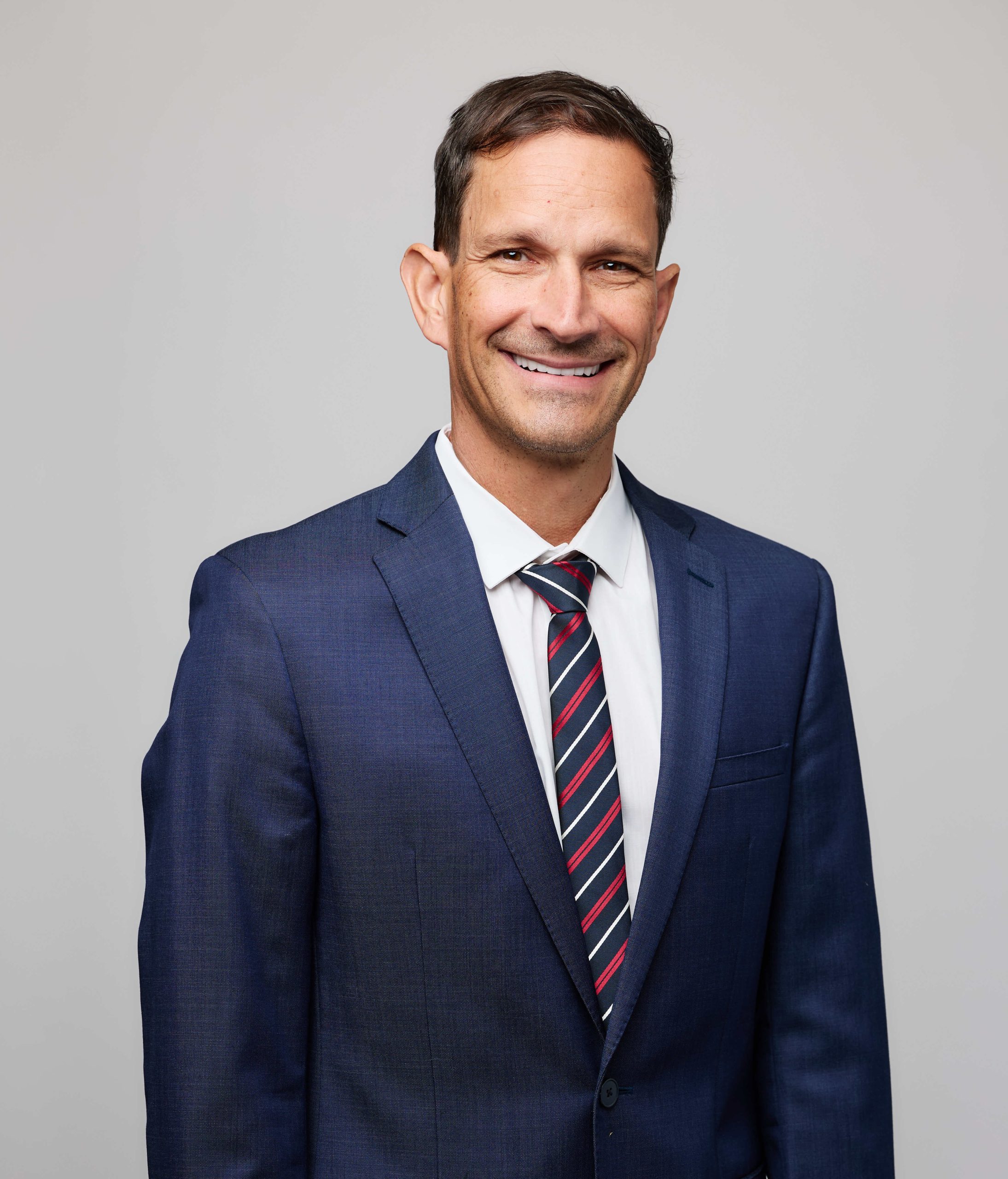
Christian Spies, M.D.
The neurology team brought in SWBMG structural cardiologist Dr. Christian Spies who implanted a left atrial appendage occlusion (LAAO) Watchman™ device.
“The device seals off the left atrial appendage,” says Dr. Spies. “That helps prevent clots from traveling to the brain and significantly lowers stroke risk.”
Rebuilding Confidence, One Step at a Time
With her background in nursing, Mullins knew what to expect from a hospital care team. She says the team at Sutter’s CPMC checked every box.
“I got the best care — the team was not only competent but caring. And I have to say, that makes such a huge difference. When I realized I had a stroke, with my nursing background, well, that was scary. But they explained everything to me and told me what they were going to do care-wise. I could tell they cared in the way they spoke to me. They held my hand. They told me that I’d been through a lot, but that I was doing well, and they were going to work with me to get back to where I was. And that brought not only comfort, but confidence.”
That sense of encouragement continued during rehabilitation, where Mullins particularly appreciated the gradual pace of physical therapy. Together with Sutter’s CPMC therapists, she focused on achieving small goals, like sitting on the side of the bed. Then she worked up to taking a few steps to a chair.
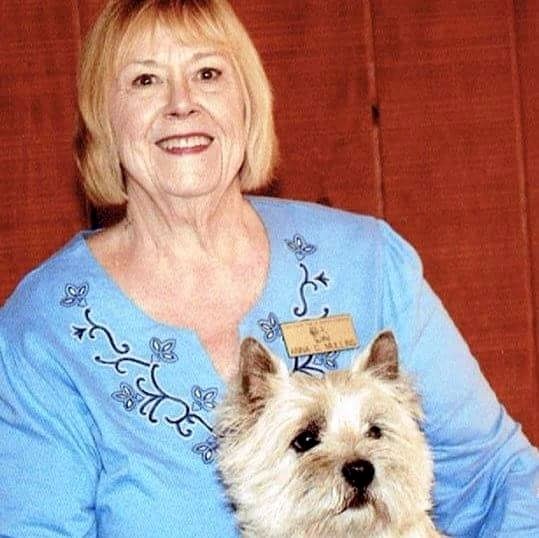
Anna Mullins with her dog Max
“They set up a slow but deliberate process for me to begin to build strength and confidence. They started inch by inch. And they praised me for the accomplishments,” says Mullins.
Now that she’s home, Mullins is setting stepwise goals for herself.
“In a few days’ time, I want to be able to walk outside and sit down on my walker. Then, by the end of May, if not before, I’d like to get back to church. And I let my physical therapist know that I’d like to work toward going down one step so that I can sit on my patio.”
“Before my stroke, I was doing well. I was driving. I could go to church. I could have lunch with my friends. I was able to walk outside and see neighbors. I felt like I had a good life. I know I’m 80 years old, but I want to be as active and involved as I can.”
Stroke Can Happen to Anyone
While Mullins had underlying medical conditions that increased her risk, her experience highlights an important reality: Strokes can happen to almost anyone, even people without obvious risk factors. For people who do have risk factors, managing certain conditions can help lower that risk. Risk factors for stroke include:
- Being older than 65
- A family history of stroke
- Smoking
- Substance use
- High blood pressure
- High cholesterol
- Diabetes
- Obesity
Knowing your risk is important — but recognizing the warning signs and acting quickly can save brain function and improve recovery.
Mullins is grateful for her caregiver’s attentiveness. She also learned that some friends had noticed changes leading up to the stroke but kept their concerns to themselves because they did not want to upset her.
“I’m a tough terrier. And we don’t need to overreact to changes in our lives, like when we start to repeat ourselves. But these changes could lead to something. I didn’t know people were a bit concerned about me, and I’ve asked everyone to tell me if they notice anything from now on.”
Mullins hopes others will pay close attention to the people around them, too.
You can play an important role in helping your friends and loved ones achieve positive stroke outcomes. If you think someone is having a stroke, BE FAST. That means calling 911 if you notice any of the following stroke symptoms in yourself or someone else:
Balance: Sudden loss of balance
Eyes: Sudden vision changes
Face: Sudden face drooping
Arms: Sudden arm/leg weakness
Speech: Sudden speech difficulty
Time: Time is critical; call 911
About Stroke Care at Sutter’s CPMC
Outcomes like Mullins’ are made possible through rapid coordination across EMS, emergency medicine, radiology, stroke neurology, telestroke, neurointerventional surgery, anesthesiology, critical care, cardiology, internal medicine, physical and occupational therapy, rehabilitation and post-acute support. For 20 years, stroke neurology and neurointerventional teams have been delivering lifesaving stroke care at Sutter’s CPMC and leading advances in the field through multiple clinical trials. Sutter’s CPMC Davies Campus is now a certified Comprehensive Stroke Center by Joint Commission, the highest level of expertise for treating the most complex stroke cases, 24/7.