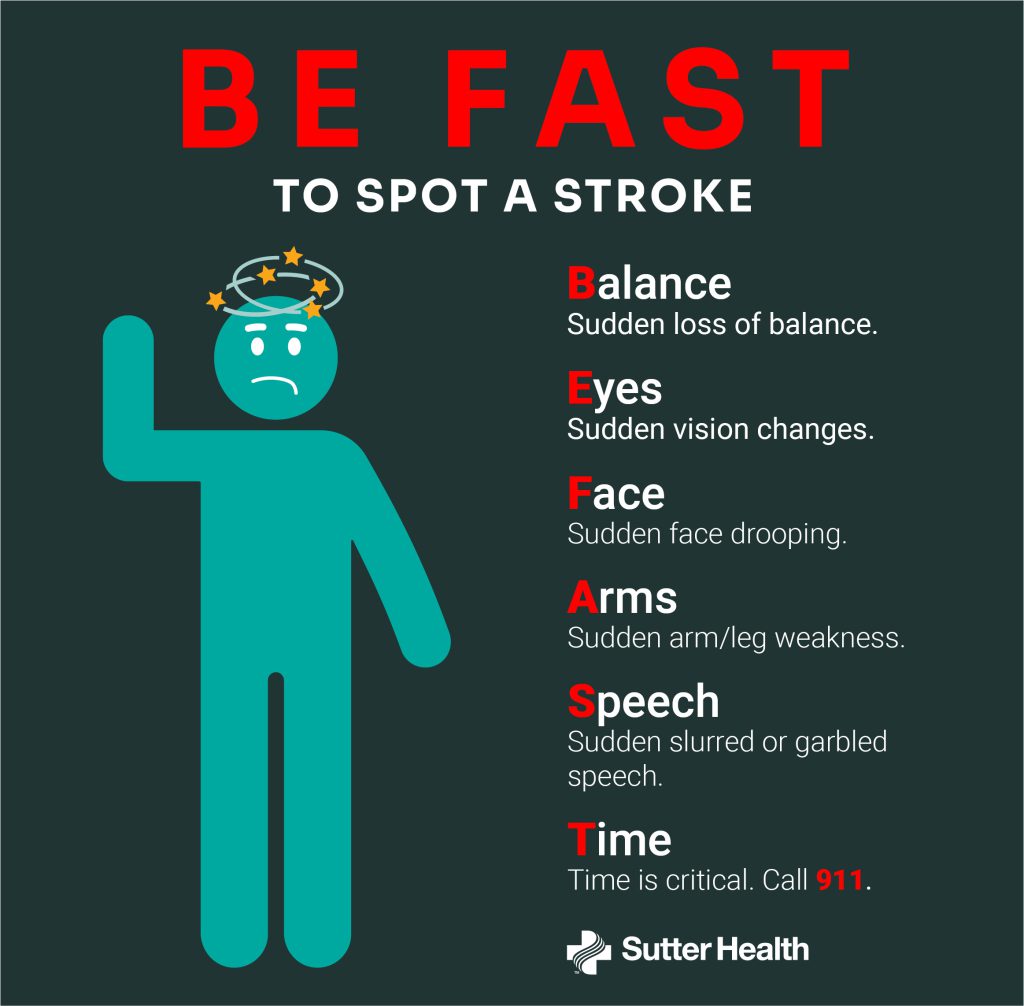

The headache fades. The arm weakness passes. For young adults, these warning signs are often attributed to stress or exhaustion and dismissed. While strokes are most common in patients 65 and older, they can occur at any age. According to a CDC study, the incidence of strokes among people between the ages of 18 and 45 rose nearly 15% between 2020 and 2022 compared to a decade ago.
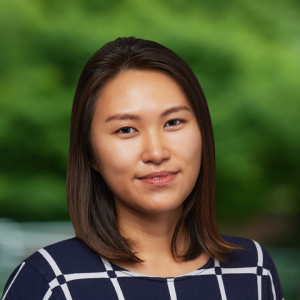
Dr. Song J. Kim
Dr. Song J. Kim, a neurologist with Sutter West Bay Medical Group explains what younger and middle-aged adults need to know about stroke risk, symptoms and prevention.
Q: What should we know about stroke in younger and middle-aged adults?
A: Over the past decade, stroke rates among older adults (65 and older) have remained relatively stable, but there’s been an alarming rise among younger adults (18 – 44) and middle-aged adults (45 – 65). This trend is likely driven by modern lifestyle factors including greater reliance on fast and processed foods, chronic stress and lower physical activity — contributing to earlier onset of obesity, high blood pressure, diabetes and high cholesterol.
Most strokes in younger adults are ischemic, meaning a blockage reduces blood flow to the brain. Less commonly, younger adults may have a hemorrhagic stroke, caused by bleeding from a ruptured blood vessel in or near the brain. While there are more surgical and non-surgical treatments than ever that can help reduce brain injury when given quickly, preventing stroke remains critical.
Q: Are there causes of stroke different in these age groups?
A: Ischemic stroke in younger adults is far less common than in older adults, but when it does occur, it’s often linked to a wider range of causes, including some that are rare or not preventable. For example, certain congenital heart conditions can increase the risk of blood clots forming in the heart and traveling to the brain. We also see arterial dissection, or a tear in the artery wall, in younger patients which can occur after minor trauma such as whiplash or sudden neck movement. Stroke in younger adults has also been linked to blood clotting disorders, as well as autoimmune and inflammatory conditions.
There are also hereditary causes of stroke that can appear earlier in life, though it’s important to note these are exceedingly rare.
Q: What should women know about their risk of stroke?
A: There are risk factors specific to women that warrant closer attention. More broadly, stroke risk increases in women who experience premature menopause and again about 10 years after menopause. This suggests that natural estrogen may play a protective role in heart and brain health. On the other hand, hormonal birth control and hormone replacement therapy, increases stroke risk, especially in women who smoke or suffer from migraines.
Pregnancy is another high‑risk period for women for ischemic strokes, especially when complications like preeclampsia, a condition marked by high blood pressure and signs of organ stress during pregnancy, or high blood pressure occur, and that increased risk can extend weeks after childbirth.
Q: What can people do to prevent stroke or catch problems early?
A: Ninety percent of all strokes worldwide are from preventable causes. Because stroke risk increases with age, it’s important to identify and manage high blood pressure, high cholesterol and diabetes early. These three conditions, often called “silent killers,” can go unnoticed for years because many people don’t have symptoms. As a result, they may not be diagnosed until a serious event, like a heart attack or stroke.
Daily habits and lifestyle also play a key role in stroke risk. Eating a diet rich in vegetables and whole grains, with minimal processed foods and modest amounts of animal protein, can help lower risk. Limiting alcohol, avoiding tobacco, staying active, getting enough sleep and managing stress can all reduce stroke risk while supporting long‑term brain health. Taking small steps today can make a lasting difference in protecting your health and independence for years to come.