How a groundbreaking liver transplant program at Sutter’s CPMC helped Jerry Delgado reclaim his life—and build a future he once thought was impossible
Less than two years ago, Jerry Delgado didn’t know if he would live long enough to imagine a future.
Now age 41, the Ukiah, Calif. resident was facing end-stage liver disease caused by alcohol-associated cirrhosis. His health was failing rapidly. Physically, emotionally and mentally, everything felt unmanageable. “I realized I had gotten myself into a place I didn’t know how to get out of,” Delgado says.

Sutter’s CPMC – Van Ness campus in San Francisco
After making the decision to stop drinking and detox at home, Delgado’s condition worsened. He was admitted to his local hospital, where lab results showed evidence of liver failure. Soon after, he was transferred to Sutter’s CPMC to evaluate and manage liver failure, where physicians also confirmed the diagnosis.
In the past for patients with severe alcohol-associated liver disease, six months of sobriety was required to be considered for liver transplantation. For many patients, this requirement meant waiting too long—sometimes with fatal consequences.
But at CPMC, Delgado became one of the first patients at Sutter evaluated through a different approach: the Limited Sobriety Pathway for early liver transplantation, a structured, multidisciplinary pathway designed to assess transplant candidacy based on individual medical, addiction and psychosocial risk factors dispensing with a rigid duration of sobriety requirement.
“That pathway didn’t just save my life,” Delgado says. “It changed the entire trajectory of it.”
Treating the Whole Person—Not Just an Organ
The Limited Sobriety Pathway was created to close critical gaps in transplant care, especially for patients with advanced cirrhosis or alcohol-associated hepatitis who face high short-term risk of death. Instead of relying on a time-based rule, the pathway integrates liver medicine (hepatology) and a comprehensive addiction team including of addiction psychiatry, addiction social work and a substance use navigator.
This in-house addiction team at CPMC carefully assess the severity of a patient’s alcohol use disorder, the degree of insight they have into their addiction, and what psychosocial support they have to help reduce risk of returning to drinking.
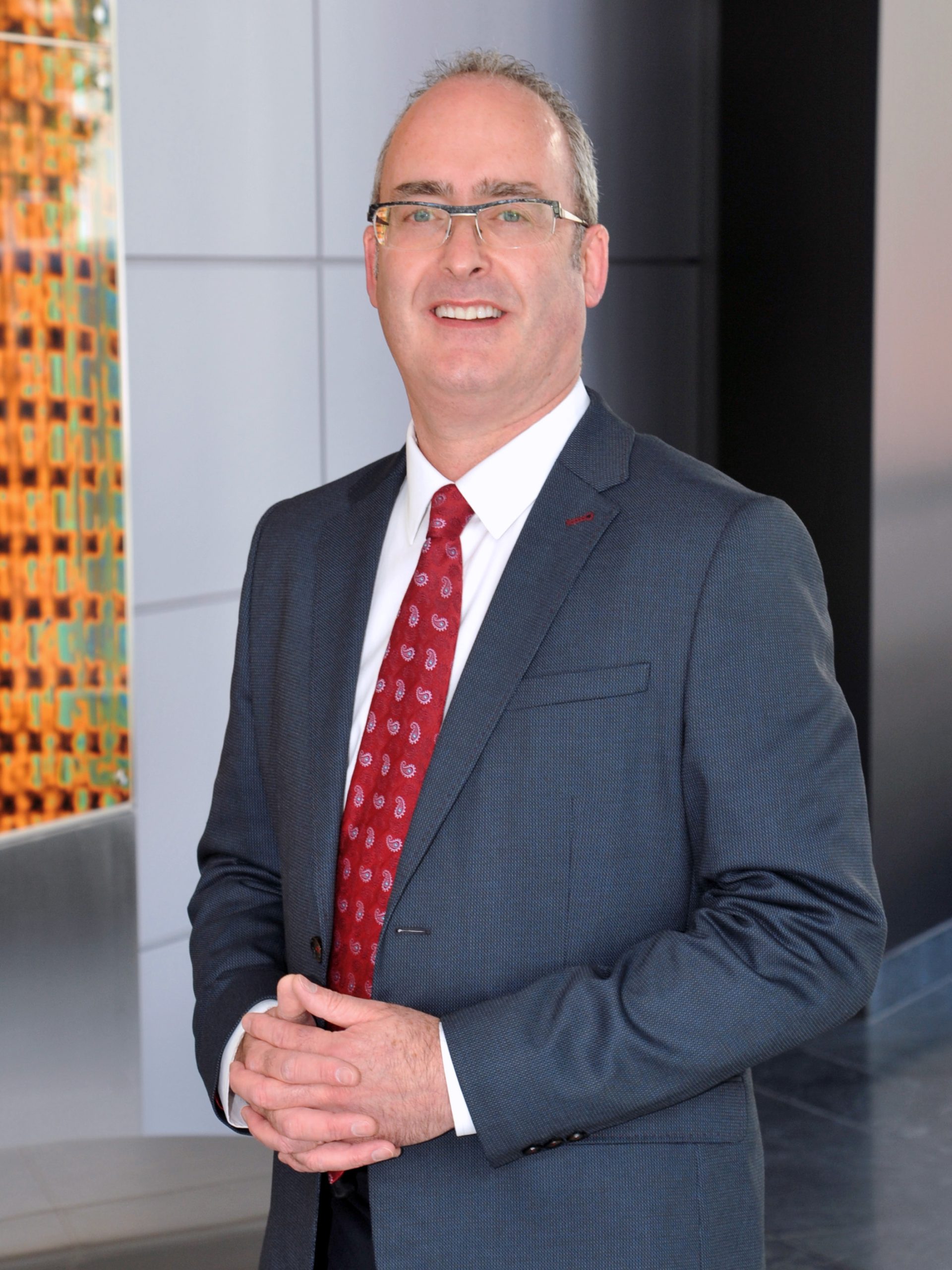
Dr. Raphael Merriman
“This pathway allows us to focus on insight, engagement, motivation and support—not the calendar,” says Dr. Raphael Merriman, hepatologist and Medical Director of Liver Transplant at CPMC and Director of the Alcohol-associated Liver Disease program. “For carefully selected patients, early liver transplantation can literally mean the difference between life and death, while providing the critical support from our addiction team to maintain and sustain recovery.”
Delgado underwent a comprehensive liver transplant evaluation at CPMC in October 2024. In December, he was officially listed for transplant. Two months later, on Feb. 8, 2025 he received a new liver.
His recovery was smooth, with no complications. He remained sober, deeply engaged in follow-up care and committed to honoring what he calls “the extraordinary gift of life” he was given.
“This program didn’t just restore my health with an organ—it restored my entire life,” Delgado says. “They didn’t just monitor my progress. They invested in me as a person and believed in me when I was still learning to believe in myself.”
From Survival to Possibility
Three months after his transplant, Delgado stepped into the most meaningful role of his life: becoming a father. He and his husband adopted a newborn baby boy through kinship adoption—an opportunity that would not have been possible without Delgado’s recovery.
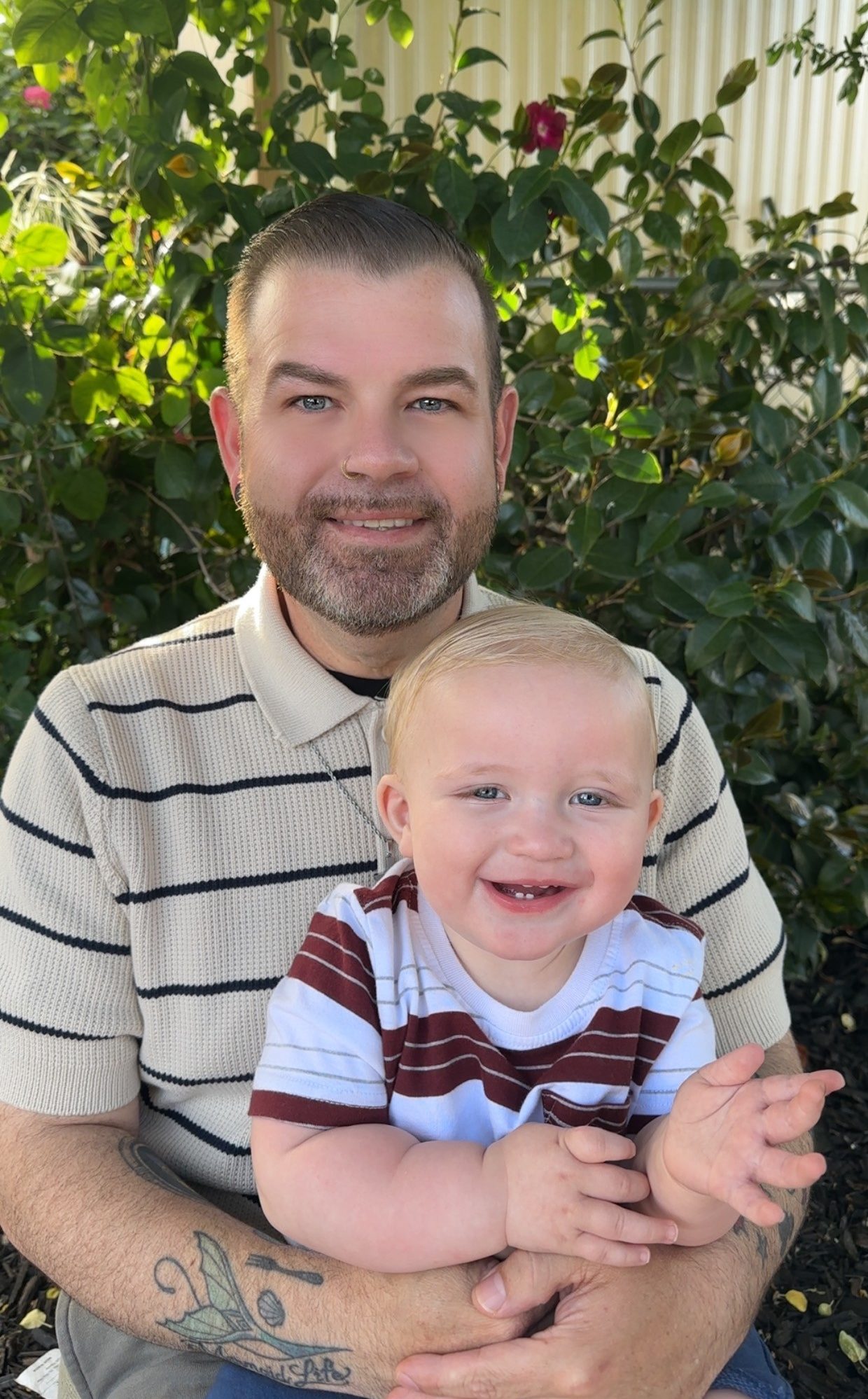
Jerry Delgado with his son
“This program didn’t simply save a patient,” Delgado wrote in a letter to the CPMC transplant team. “It helped create a family, restore hope, and give a child a healthy parent.”
Today, Delgado is sober, present and future‑focused. He is pursuing a bachelor’s degree in psychology, driven by a desire to support others struggling with addiction and alcohol-related illness. He remains closely connected to the program that helped save his life—and to the responsibility he feels to honor that second chance.
Programs like CPMC’s Limited Sobriety Liver Transplant Pathway also aim to challenge stigma surrounding alcohol-associated liver disease, while advancing evidence-based transplant care. Since its launch in September 2024, dozens of patients have received life-saving transplants through the pathway, supported by integrated medical, behavioral and psychosocial care.
“This work shows what’s possible when science and humanity guide care together,” Dr. Merriman says. “Recovery is possible—and when we remove barriers and support sobriety, we can save more lives and strengthen families in the process.”
For Delgado, the impact has been simple and profound.
“I am part of a much larger community,” he says. “Many other Limited Sobriety Pathway patients are walking this same path with strength, accountability and hope. Their successes, just like mine, reflect the power of this program and the shared gratitude for the second chance we’ve been given.”