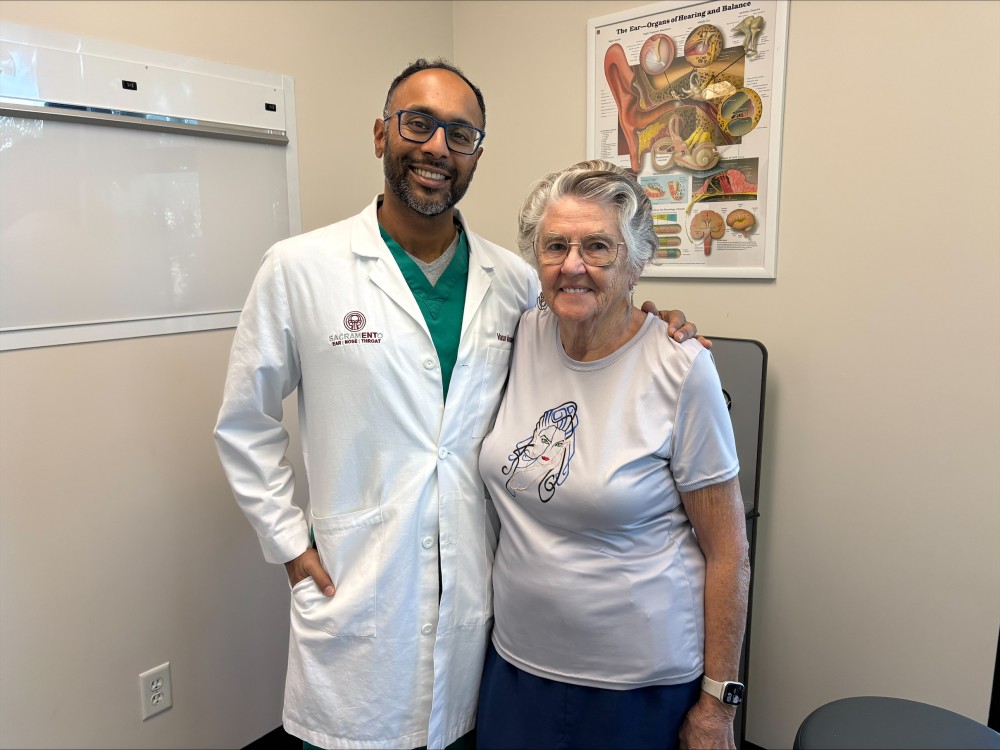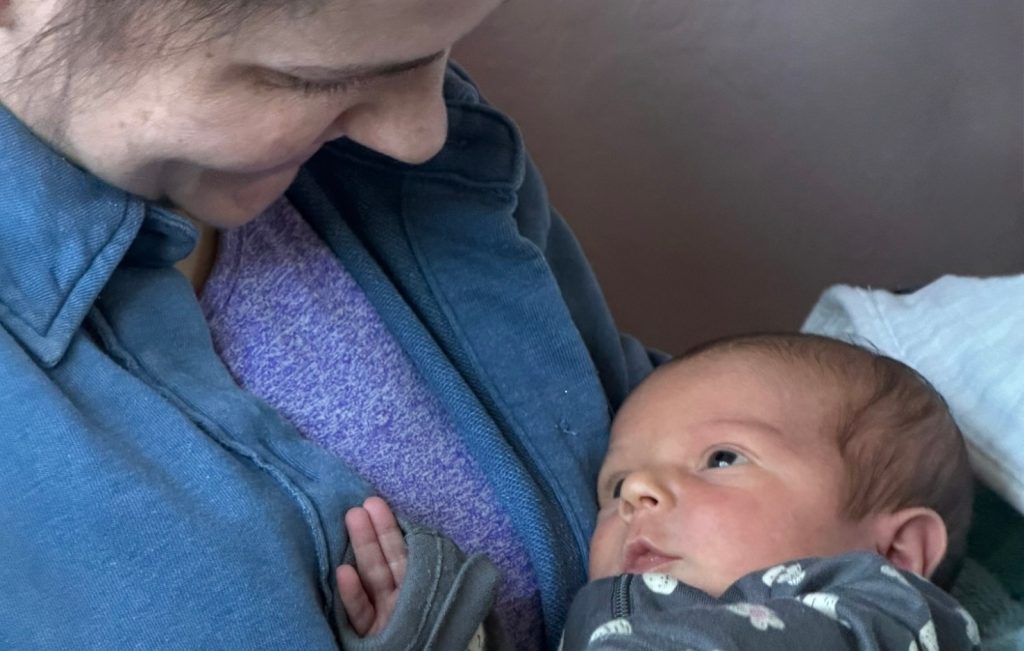

A Q&A with Dr. Katrina Mitchell, Breast Surgical Oncologist & Certified Lactation Consultant, Sutter Health’s Ridley-Tree Cancer Center
August is National Breastfeeding Month
Breastfeeding is natural—but that doesn’t mean it’s intuitive or free from misinformation. From outdated advice about mastitis to myths about milk supply and pain, breastfeeding families are often left feeling confused or discouraged.
Dr. Katrina Mitchell, a breast surgical oncologist, board-certified lactation consultant and perinatal mental health provider at Sutter Health’s Ridley-Tree Cancer Center clears up common breastfeeding myths and shares evidence based guidance for new and experienced parents alike.

Dr. Katrina Mitchell
Q: Why are there so many myths about breastfeeding?
Dr. Mitchell: Breastfeeding has been passed down through generations largely by word of mouth, and unfortunately, a lot of outdated or incorrect information has stuck around. On top of that, medical training historically included very little education on lactation, which means even well‑intentioned advice from healthcare professionals hasn’t always been evidence‑based. The good news is that research and clinical understanding of lactation have advanced significantly in recent years.
Q: Myth or fact—breastfeeding should always hurt at first?
Dr. Mitchell: That’s a myth. While some tenderness can happen in the early days, ongoing or severe pain is not normal and shouldn’t be brushed off. Pain is a signal that something isn’t working—often related to latch, positioning, or inflammation. Parents are sometimes told to “just push through it,” but that can delay getting the help they need and make things worse.

Q: Many people hear that blocked ducts and mastitis happen because milk isn’t being emptied. Is that true?
Dr. Mitchell: That’s an oversimplification and another common myth. Mastitis isn’t just about milk “getting stuck.” It’s now understood as a spectrum of inflammation, not simply an infection from poor drainage. Over pumping, aggressive massage, or trying to empty the breast at all costs can worsen inflammation rather than fixing it. Our approach to mastitis has shifted significantly as science has evolved.
Q: Do people really need antibiotics at the first sign of mastitis?
Dr. Mitchell: Not always. That’s a big change from what many people were taught in the past. Early mastitis is often inflammatory, not bacterial, and many cases can improve without antibiotics. Antibiotics are important in specific situations but using them automatically isn’t always necessary or helpful. Individual assessment is key.
Q: What about home remedies like cabbage leaves—are those helpful or just folklore?
Dr. Mitchell: Some traditional remedies, like cabbage leaves, have stuck around because people feel they help with comfort or swelling. While they’re not harmful in many cases, they’re not a cure-all, and they don’t replace understanding what’s happening in the breast. It’s important not to rely on any single fix without addressing the underlying cause.

Q: There’s a belief that some people just can’t make enough milk. How true is that?
Dr. Mitchell: True, primary low milk supply exists—but it’s much less common than people think. Many parents worry their supply is low when, in reality, their baby’s feeding patterns or growth spurts are being misinterpreted. Frequent feeding, cluster feeding, or fussiness don’t automatically mean low supply. Education and reassurance go a long way here.
Q: As a breast surgeon, how does lactation intersect with your work?
Dr. Mitchell: The breast doesn’t stop being a breast just because someone has cancer or surgery. Lactation, breast health, mental health, and oncology are deeply connected. Patients deserve accurate information about breastfeeding and lactation even in complex medical situations, and that intersection—sometimes called oncolactation—is an area that’s finally getting more attention.
Q: What’s the most important takeaway you want breastfeeding families to know?
Dr. Mitchell: If something feels wrong, trust that instinct and ask for help. Breastfeeding challenges are common, but suffering in silence isn’t necessary or helpful. Evidence based lactation care can make a huge difference—not just for feeding, but for overall physical and mental health. Breastfeeding isn’t about perfection; it’s about support, flexibility, and accurate information.
Do you or a loved one need breast health services? Find resources here.
Learn more about breastfeeding during breast cancer here.