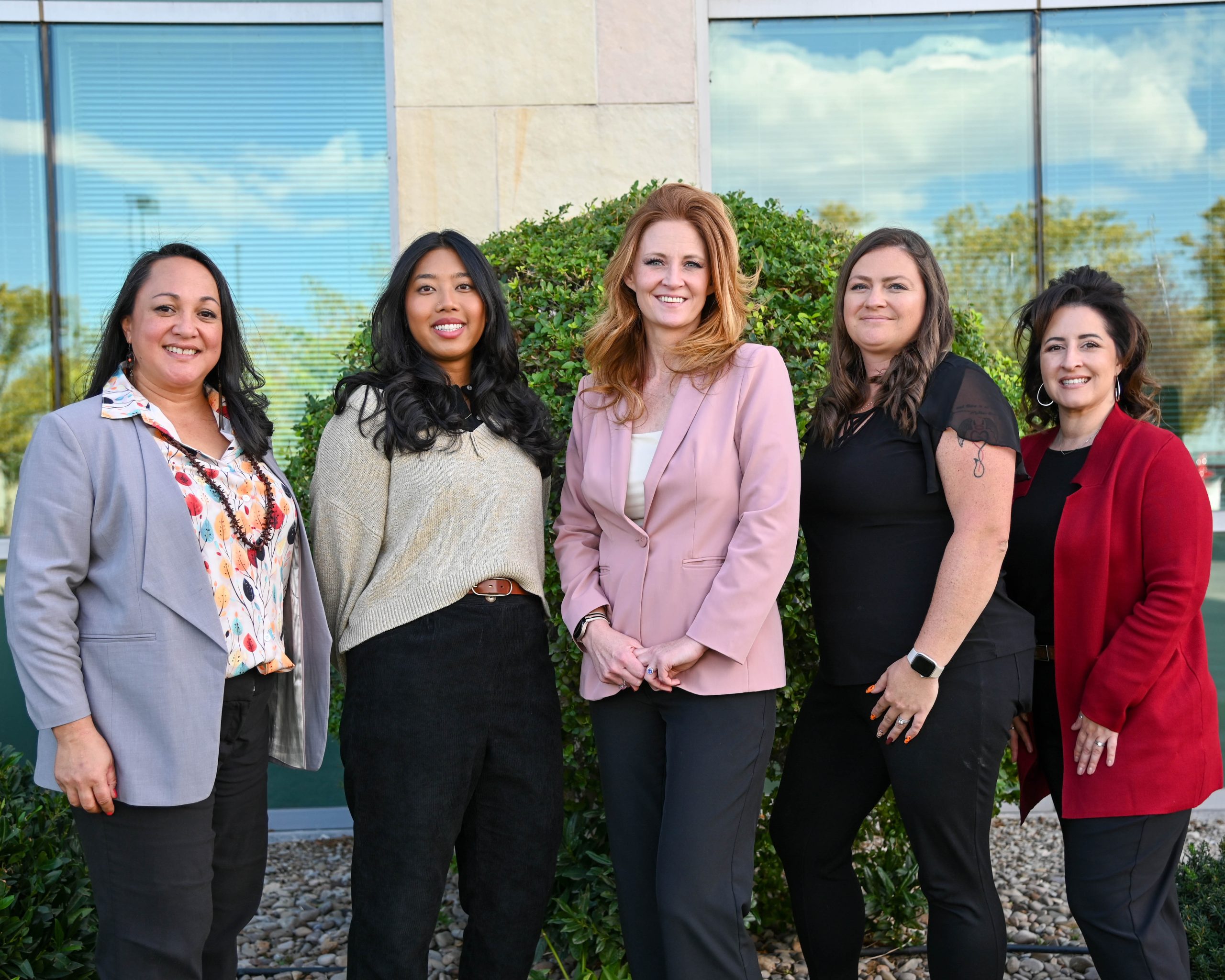
Sutter employee Jennifer Burgon shares how embracing her invisible disabilities helped her find greater acceptance, support and belonging.
Jennifer Burgon spent years trying to understand what she was experiencing. She was diagnosed with complex post-traumatic stress disorder, or CPTSD, in 2021 and ADHD in 2023. But recognizing those diagnoses as disabilities, and accepting what that meant for her, took longer.
When Burgon first received the CPTSD diagnosis, she questioned it and sought a second opinion, only to hear the same answer.
“I thought, ‘I didn’t go to war. I am not a soldier. How do I have PTSD?’” said Burgon, a training manager at Sutter Health’s Enterprise Contact Center. “I just ignored it. It became an acronym on my medical chart.”
CPTSD can develop after prolonged or repeated trauma. For Burgon, understanding the diagnosis was only part of the journey. She also had to reconsider what disability meant and whether she saw herself reflected in that word.
Burgon, who has been with Sutter for 12 years, worried colleagues might judge her or see her as less capable. Like many people with disabilities that are not immediately apparent, she had become skilled at masking what she was navigating.
A turning point
Sutter’s culture of inclusion and belonging gave Burgon space to show up fully, as both a high-performing employee and someone learning to better understand and honor her disability.
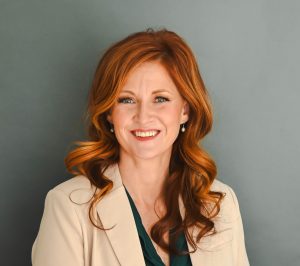
Jennifer Burgon
Joining Sutter’s disAbility employee resource group became a turning point. As she learned more about invisible disabilities, she realized experiences she had viewed as personal challenges could also be understood through the lens of disability.
“I am a high-performing worker and I feel like I handle life well. How do I have a disability?” she recalled wondering.
Through therapy, reflection and the example of others who openly embraced their disabilities, Burgon began to reconsider the label. Disability did not erase her strengths or diminish her performance. Instead, it helped her better understand herself and the support that allows her to thrive.
“I can still be who I am,” she said. “I can ask for help. It’s OK to be different. My performance has nothing to do with my diagnosis. They are separate.”
Her experience reflects Sutter’s belief that safe and supportive workplaces create an environment where curiosity, creativity, problem-solving and innovation can thrive.
Making the invisible visible
Burgon saw the value of speaking openly after she commented on an intranet post during PTSD Awareness Month. A colleague then contacted her privately to share their own experience with a recent diagnosis and the challenges they were facing.
“Fear is a story we tell ourselves,” she said. “We have to be willing to bring invisible disabilities forward so people understand and start talking about them.”
Finding what helps
Understanding her diagnoses has helped Burgon identify what affects her well-being and performance. Multiple voices, bright lights, background noise and long days of decision-making can lead to sensory overload or exhaustion. Burgon has found using AI tools to track key tasks and capture information from meetings helps ease some of the mental load.
“I don’t have to hold everything in my head anymore,” she said. “It lets me be present in the conversation, knowing I can go back to what matters.”
She also sets boundaries, practices mindfulness, and spends time outdoors. When she needs a different approach, she talks with her leaders rather than pushing through alone.
“Acceptance is everything in healing,” Burgon said. “When I finally said, ‘This is my truth,’ I felt stronger.”
Burgon is grateful for a workplace community where colleagues can speak openly about disability, learn from one another and take pride in what they contribute.
“I never would have talked about this before had it not been for the employee resource groups,” she said.