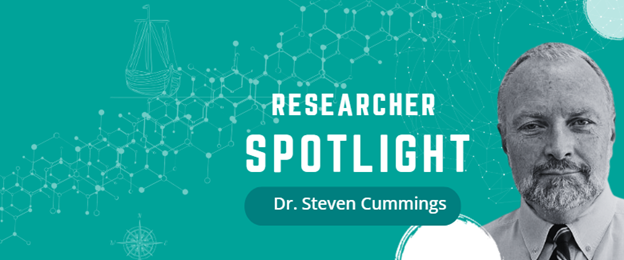
For centuries, the idea of a fountain of youth has lived somewhere between myth and obsession. Dr. Steve Cummings has spent his career bringing it closer to reality through decades of research.
A Sutter researcher, director of Sutter’s San Francisco Coordinating Center and the Sequoia Center for the Science of Aging and co-founder of the Longevity Consortium, Dr. Cummings has helped redefine how we understand aging, not as a fixed decline, but as a process that can be measured and even influenced.
In 2026, he was named one of the world’s top scientists by Research.com. This recognition reflects the lasting impact of work that continues shaping clinical care globally. In recognition of his contributions to medicine and impact on clinical research, he was also elected to the prestigious National Academy of Medicine—one of the field’s highest honors.
From Myth to Measurement
What was once philosophical is now quantifiable. The SOMMA study, a large, multi-site effort co-led by Dr. Cummings, studies changes in muscle and mobility which reflect the aging process and its pace. With the publishing of its 50th scientific paper and counting, the study’s achievements have provided insights in understanding when physical decline begins and how it progresses.
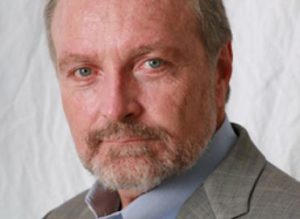
Dr. Steven R. Cummings
“For a long time, aging was something we described, not something we could measure,” says Dr. Cummings. “What’s changed is our ability to quantify those shifts earlier, and that gives us a chance to intervene before decline becomes inevitable.”
Beyond a Single Health Concern
Long before longevity became a headline, Dr. Cummings was helping define modern care for a common age-related health condition: osteoporosis.
His research helped establish the value of bone density testing, now a cornerstone of clinical practice, for predicting the risk of hip and other fractures. Through large, multi-site clinical trials led by the San Francisco Coordinating Center, Dr. Cummings and his colleagues demonstrated the effectiveness of treatments such as alendronate (Fosamax), now one of the most widely prescribed osteoporosis therapies worldwide.
He also led or co-led studies, the results of which helped support FDA approval for additional treatments, including denosumab (Prolia) and zoledronate (Reclast), which are now commonly used by clinicians globally and across Sutter.
While much of his work has focused on aging, Dr. Cummings’ research has also influenced care in areas like breast cancer prevention.
His earlier research, conducted in collaboration with colleagues at UCSF and using data from the CPMC Breast Health Center, helped improve the ability to predict breast cancer risk. He also led a landmark study showing that raloxifene can effectively reduce the risk of breast cancer.
Different clinical areas, same throughline: using data to better predict risk and tailor treatment.
Helping Write the Rules of Time
More recently, Dr. Cummings has helped advance geroscience, a field built on a deceptively simple idea: what if aging itself is the root driver of many chronic diseases?
In a 2025 JAMA review, he and colleagues explained how targeting the biological processes of aging could delay or reduce conditions like heart disease, cancer and dementia.
“The goal isn’t simply to extend life, it’s to extend the years people remain healthy, active and independent,” he says. “If we can better understand the biology of aging, we can start to change that trajectory.”
That work is already beginning to take shape in care models across Sutter, including the launch of Sutter Senior Care clinics designed to better support the needs of an aging population.
It’s part of a broader shift — one that connects research, innovation and care delivery to help people live not just longer, but better.
Learn more about research and clinical trials at Sutter Health.